
Technology
Latest News
Advertisement
Latest Videos

Shorts

0:34
The Long Road to Equitable Pediatric AI
4 months ago
by
Joseph Cavallo, MD, MBA

0:34
Where General LLMs Struggle in Radiology
4 months ago
by
Rajesh Bhayana, MD
0:34
Could a Dynamic Risk Score for Mammography Help Move Radiology Beyond a Diagnostic Role?
4 months ago
by
Constance Lehman, MD, PhD

0:35
False Positives and AI Triage Tools in Radiology
4 months ago
by
Joseph Cavallo, MD, MBA
1:08
Reducing the Cognitive Friction with Radiology Reporting
4 months ago
by
Nina Kottler, MD, MS
1:05
Can AI Enhance Intra-Procedure Efficiencies in Interventional Radiology?
5 months ago
by
Mina S. Makary, MD
0:33
The Value of AI in Extracting Hidden Data from Chest CT Images
5 months ago
by
Shadpour Demehri, MD

0:40
Improving DBT Detection of Invasive Lobular Cancer with Adjunctive AI
5 months ago
by
Leslie Lamb, MD, MSc
0:52
Key Advantages of MRI-Based AI Software for 3D Views of Prostate Cancer
6 months ago
by
Soroush Adam Ramin, MD
0:42
Can Breast Ultrasound AI Help Reduce Benign Biopsies?
6 months ago
by
Manisha Bahl, MD








Advertisement
More News
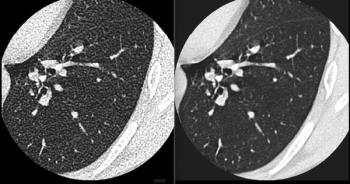
The AI-enabled image processing with SubtleHD(CT) software reportedly facilitates improved noise reduction and image quality for computed tomography (CT) exams.
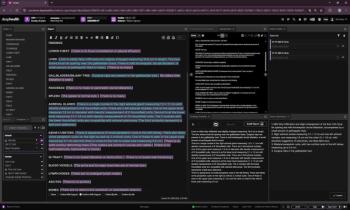
The Reporting Pro software reportedly offers an array of AI-enabled features that may help streamline radiology reports.
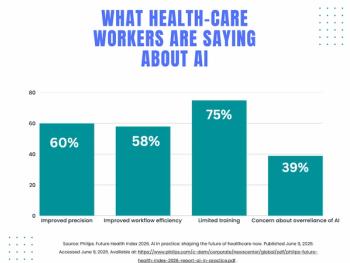
In a new survey of over 2,000 health-care professionals on AI use, respondents cited benefits ranging from improved work-life balance to preventing medical errors as well as concerns about overreliance on AI and inconsistent or limited training.
David Gruen, MD, MBA, FACR, of Advanced Radiology Consultants, shares how leading programs turned clinical evidence into operational reality.
What's already being done with large language models in radiology practice today.
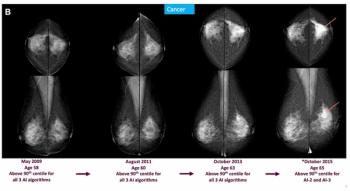
The proportion of breast cancer potentially flagged by three different AI algorithms 10 years prior to diagnosis ranged between 12.7 to 17 percent, according to newly published retrospective research.
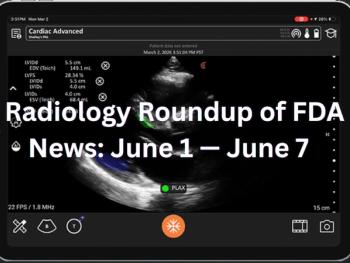
Catch up on a variety of new FDA clearances in radiology from the past week.

Catch up on the top radiology content of the past week.
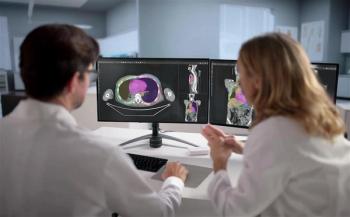
The MIM Contour ProtegeAI+ 2.0 software reportedly offers new AI-powered contouring models for brain MRIs and pelvic CTs.
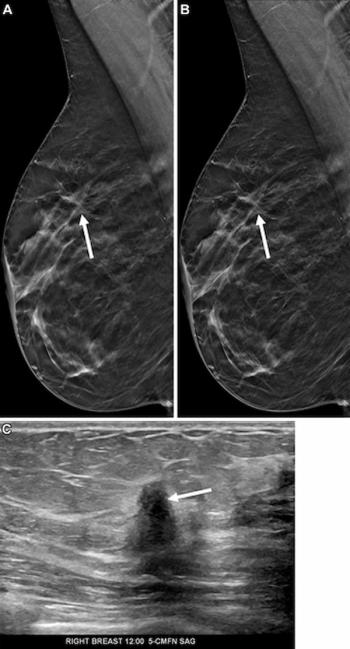
Noting the potential for workload efficiencies in interpreting screening digital breast tomosynthesis (DBT) images, researchers found the use of slab reconstruction technology improved specificity without any impact on sensitivity or cancer detection rate.
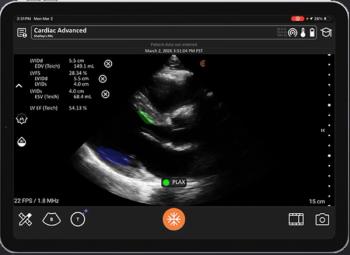
Reportedly trained on thousands of cardiac ultrasound images, the Ejection Fraction (EF) AI tool provides automated measurement of left ventricular ejection fraction (LVEF) in seconds.
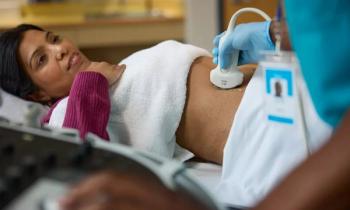
The AI-powered Elevate Plus reportedly facilitates standardization of routine ultrasound, improves scan time and bolsters image quality.
Catch up on the most-well viewed radiology content in May 2026.

Catch up on the most well-viewed video interviews from Diagnostic Imaging in May 2026.
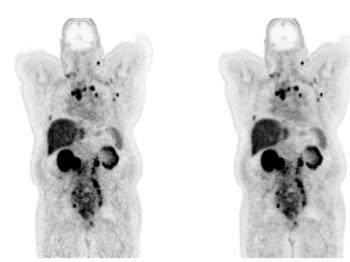
The SubtleHD(PET) software reportedly facilitates enhanced image quality, provides improved SUVmax quantitative accuracy and compatibility with all FDA-approved radiotracers.
Catch up on the top AI-related news and research in radiology over the past month.
Catch up on the top radiology content of the past week.
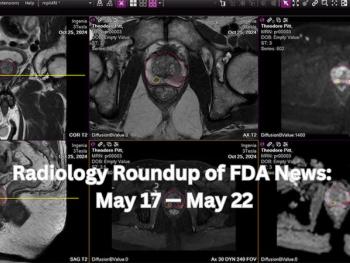
Catch up on a variety of new FDA clearances in radiology from the past week.

Recently published multinational research revealed that AZtrauma had a 95.6 percent AUC for detecting dislocations and a 97.5 percent AUC for detecting joint effusions.

In the latest episode of his “Interventional Radiology in Focus” series, Mina Makary, MD, discusses current and potential pre-procedure, intra-procedure and post-procedure applications of AI for interventional radiology.
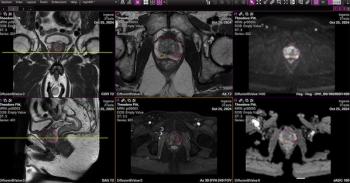
Prostate AI reportedly enhances lesion detection, reduces segmentation variability between radiologists and improves workflow efficiencies in biopsy-recommended cases.
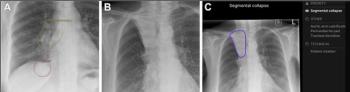
A retrospective comparison of AI platforms from seven different manufacturers for stand-alone lung cancer detection revealed sensitivity rates ranging between 20.8 percent to 77.8 percent.
Catch up on the top radiology content of the past week.
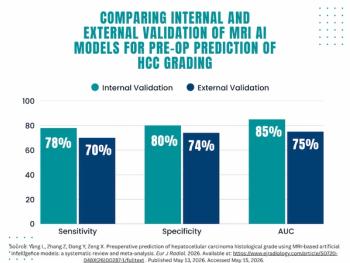
In a new meta-analysis examining the impact of MRI-based AI models for predicting high-grade hepatocellular carcinoma, researchers noted a 10 percent decline in AUC between internal validation and external validation.
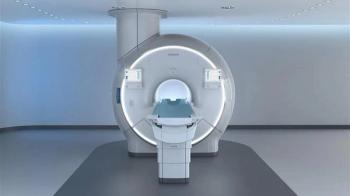
The combination of sustained high-gradient performance and AI capabilities with the Titanion MR may facilitate the use of imaging biomarkers that provide insight into tissue microstructure
Advertisement
Advertisement
Trending on Diagnostic Imaging
1
What’s Next for AI in Radiology?: Facilitating Data Orchestration Over Fragmentation
2
Distraction-Free Discipline for Staying in the Zone in Radiology
3
FDA Clears Machine Learning Module for Emerging Musculoskeletal Ultrasound Platform
4
Study Shows PCCT Offers Higher Image Quality and Reduced Radiation Dosing than EID-CT in Obese Patients
5