FDA Grants Fast Track Designation for Pre-Biopsy Use of PSMA PET and MRI for Prostate Cancer Detection
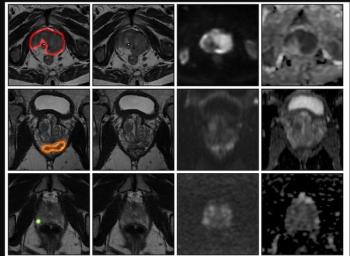
The BiPASS program, which combines 68Ga PSMA PET imaging with prostate MRI prior to the use of prostate biopsy, is slated to be evaluated in an impending phase 3 trial.
The Food and Drug Administration (FDA) has issued a fast track designation for a pre-biopsy combination of 68Ga PSMA PET and prostate MRI that has demonstrated the capability to facilitate a nearly 50 percent reduction in unnecessary prostate biopsies.
Reportedly
Findings from a
Enrollment has recently been completed for a phase 3 study (BiPASS) that will assess the pre-biopsy use of the 68Ga PSMA PET agents Illuccix and Gozellix alongside prostate MRI for PCa detection, according to Telix Pharmaceuticals.
"Fast track designation reflects the FDA's recognition of the potential for BiPASS to address an important unmet need in the prostate cancer diagnostic pathway. We believe gallium-68 PSMA-PET, used alongside MRI, could help physicians make more informed decisions before biopsy, improve diagnostic confidence and potentially reduce unnecessary invasive procedures for patients,” noted David N. Cade, MBBS, MBA, the group chief medical officer for Telix Pharmaceuticals.
Related to this article