

There is a higher chance that a follow-up examination will follow when nonradiologists interpret ultrasounds in the ER.
There is a higher chance that a follow-up examination will follow when nonradiologists interpret ultrasounds in the ER.

Coronary CT angiography shows significantly greater increase in noncalcified plaque volume among older men who use testosterone gel.

Shifting from film to digital technology for diagnostic mammography has improved cancer detection, and increased the abnormal interpretation rate.

Low dose CT for lung cancer screening exposes patients to radiation doses versus the risk of missing treatable cancers.

Effect of multimedia in radiology reports.
Study shows using MR imaging for breast screening among women with average cancer risk improves early diagnosis.
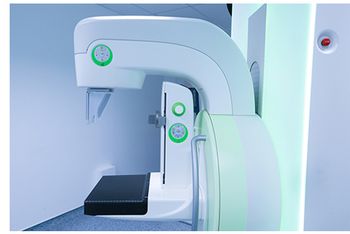
False-positive mammograms may result in women delaying their next screening mammogram.
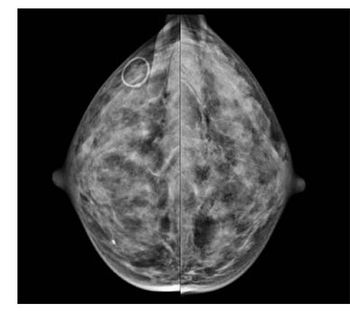
Breast percentage density estimations with synthesized 2D breast imaging versus standard-dose mammograms.
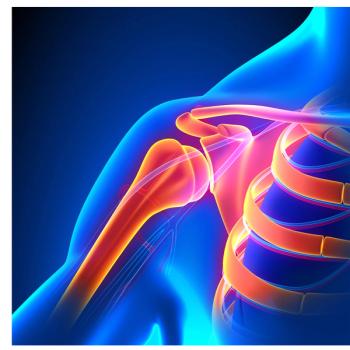
Effect of routine shoulder X-rays after shoulder arthroplasty on post-operative patient management.
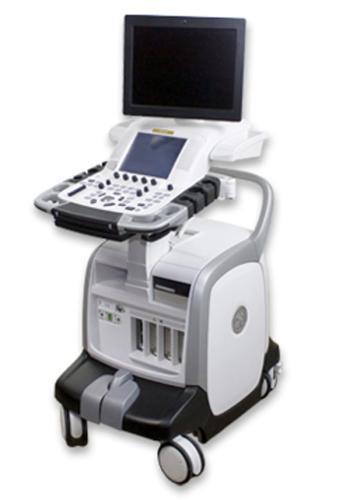
Appendiceal sonograms may help clinicians tell which patients have uncomplicated versus complicated appendicitis.
Low-dose CT for lung cancer screening among Veterans Health Administration patients will require substantial clinical effort.

Rate of diagnoses and cost following thyroid imaging after benign fine-needle aspiration.
Patients shown video presentations about prostate and breast cancer screening may change their mind about undergoing the procedure.

Cost and safety of using contrast-enhanced ultrasound for children.

Functional MRI may help determine which patients with depression will respond to antidepressant therapy.

Diffusion tensor imaging may help diagnose vascular cognitive disorders among patients with CAD.
CT for bone density and muscle mass may help predict noncancer death among men with localized prostate cancer.
Cancer detection in 18F-FDG-PET/CT vs CT in patients with nonspecific signs and symptoms of cancer.
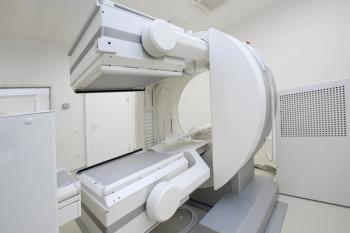
Examination with PET/ MRI for patients with laryngeal cancer.

Breast screening encourages overdiagnosis of breast cancer and fails to reduce incidence of advanced disease, according to study.
CT dosing is largely dependent on multiphase scanning and institutional protocols.
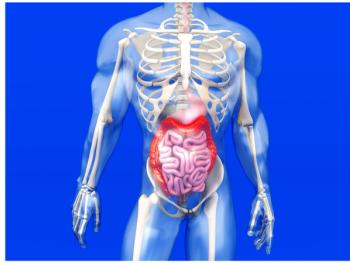
Repeat CT colonography may help detect more advanced right-sided lesions, but they detect fewer large polyps.
An algorithm’s effect on CT use in the emergency department.

Radiographic findings or patterns can help identify elder abuse.
Ultrasounds repeated because of incomplete visualization of the fetus and detection of fetal abnormalities.
Assessment of MRI findings following arthroscopic hip surgery among symptomatic and asymptomatic patients.

Screening mammography is not utilized equally among racial groups.

Images show that people with Parkinson’s disease and cognitive impairment have brain network disruptions.

CT may help detect some types of colon cancer spread, but not all.

Chest X-rays should be ordered for patients who present to the ED with syncope.