

Brain PET detected more plaques and tau tangles among subjects who were heavier and consumed poorer diets.
Brain PET detected more plaques and tau tangles among subjects who were heavier and consumed poorer diets.
CT, with lower radiation dose, can help emergency room physicians determine which patients with ureteral stones need further intervention.
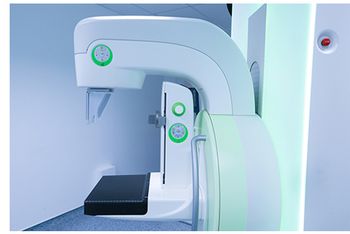
Digital mammography may be feasible using low-dose radiation dose techniques.
How often specialists recommend mammography screening to patients is influenced by their professional societies’ guidelines.
Job openings for radiologists predicted to grow 16% in 2016.
Children who repeatedly undergo MRI with GBCA experience higher levels of signal intensity.

CT confirms relationship between HIV-related inflammation and the increase of CAD among men infected with HIV.

Digital tomosynthesis compared to chest radiography for pulmonary nodule screening and determining case management.
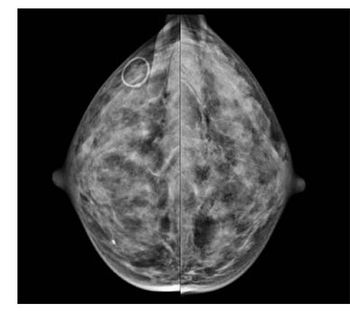
MBI assessed as supplementary screening tool for women with dense breasts.
Magnetic resonance imaging allows physicians to assess acute groin injuries among athletes.

Radiologists who began practicing after 1940 do not have a higher risk of developing radiation-related illnesses.
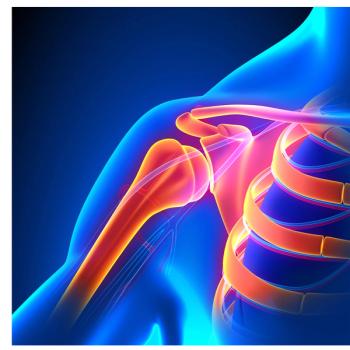
Ultrasound, rather than MRI, is often appropriate imaging for shoulder injuries.
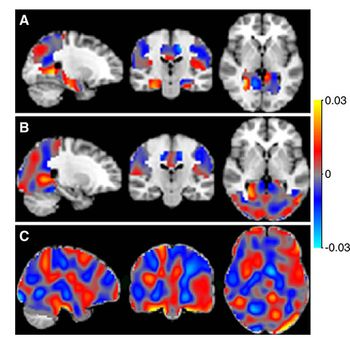
Adding arterial spin labeling to MRI may help classify and predict Alzheimer’s diagnosis and progression from subjective cognitive decline.
MRI with gadolinium contrast is not associated with increased rates of Parkinson’s disease.

Annual follow-up with CT for nonsolid nodules detected during lung cancer screening reduces need for biopsies.

Functional MR imaging shows increased response in the brain after administration of low-dose methylene blue.

Radiologist salaries are equal between male and female physicians, unlike other academic medical specialists.

PET-CT may indicate which patients with Hodgkin’s lymphoma are responding to treatment.
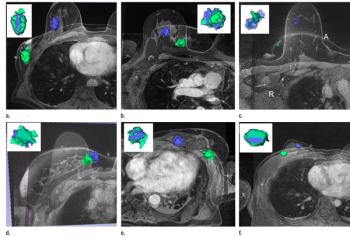
Adding intraoperative supine MR imaging to standard prone imaging may increase accuracy when evaluating breast cancer.

Using annotations from impressions of radiology reports is reliable for critical findings and context, from SIIM 2016.
Monitoring ER radiology in real time helps improve efficiency, from SIIM 2016.
Radiologist availability of clinical records and turnaround time, from SIIM 2016.
Reading TB screening chest radiographs may be more efficient with the use of custom software, from SIIM 2016.

Few family physicians are making low-dose CT screening referrals to patients who are at high risk for lung cancer.

Using MRI to evaluate blood-brain barrier disruption following intracranial hemorrhage may predict severity after intervention.

Patients who have access to their online radiology reports are viewing them.
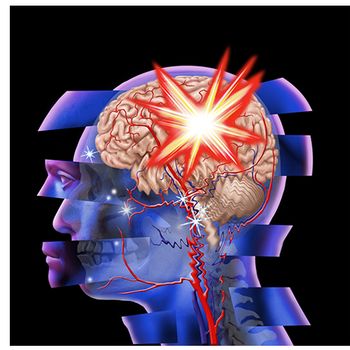
Diffusion tensor imaging detected abnormalities in the brain among subjects with mild traumatic brain injury.
Use of ultra-low dose CT versus standard-dose CT to quantify emphysema.
Did false-positive mammograms deter women from undergoing future breast cancer screening per guidelines?
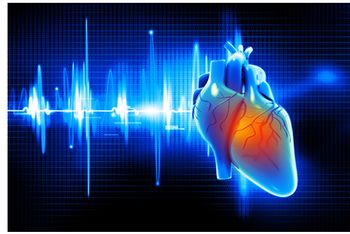
Costs of CTA versus functional diagnostic testing for suspected coronary artery disease.