

Imaging helps identify ADHD in children and may also distinguish among subtypes of the condition.
Imaging helps identify ADHD in children and may also distinguish among subtypes of the condition.

CT combined with 3D printing accurately reproduced damaged parts of the middle ear.

Radiologic imaging shows brain chemistry changes in teens who are addicted to smart phones and the internet.
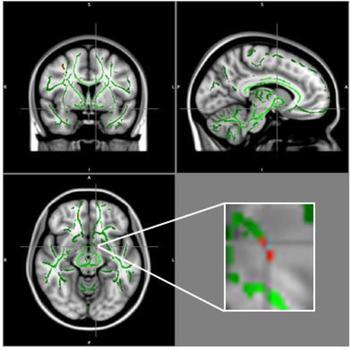
Magnetic resonance images show brain changes among adolescents who are obese.

CT shows former NFL players may have enlarged aortas compared with controls.
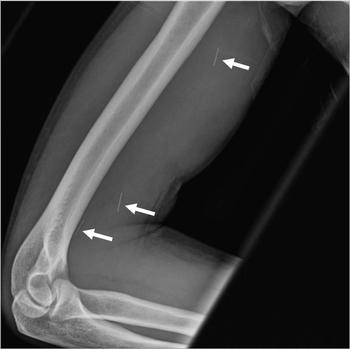
Radiologists in the emergency department can help advocate for patients with opioid-use disorders.
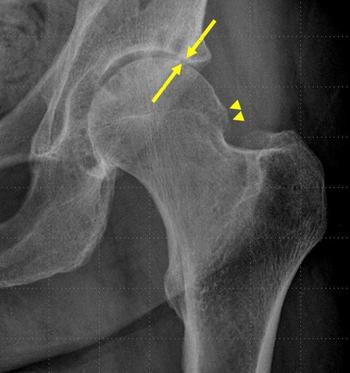
X-rays show that patients with osteoarthritis who receive a hip steroid/anesthetic injection may develop osteonecrosis of the hip.
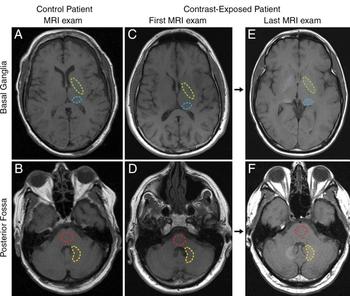
Imaging with gadolinium does not put patients at risk for adverse neurologic outcomes later in life.

Patients can obtain relief from low back pain and sciatica with the use of image-guided pulsed radiofrequency treatments.
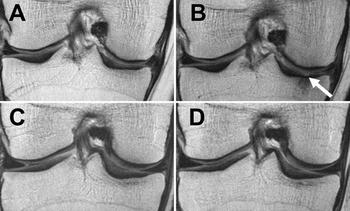
Effect of diet, exercise on people who are overweight or obese who lose weight to help decrease knee cartilage deterioration.
Images showing body composition have shown that where body fat is stored is more of a factor in cardiovascular and metabolic risks than the type of fat.
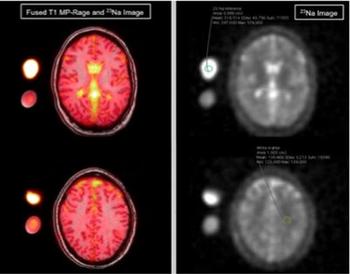
Researchers used MRI to detect higher levels of sodium in the CSF of patients who have migraines.
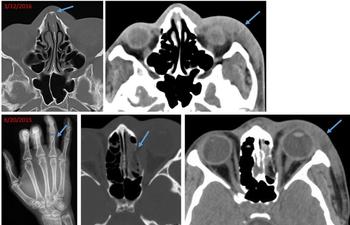
Images that show specific types of injuries and old injuries could help radiologists identify victims of domestic and sexual abuse.
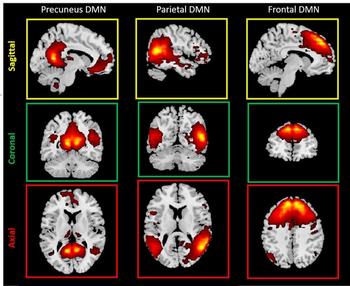
Imaging shows lasting brain damage among children who play high-impact sports like football.
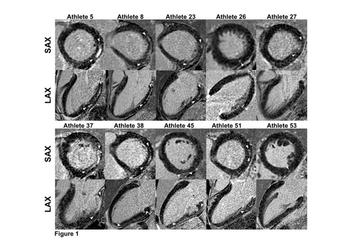
MRI shows evidence of higher risk for elite male triathletes.
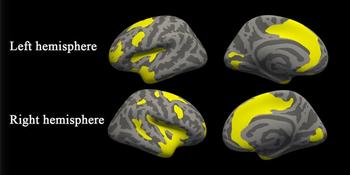
MRIs show common structural abnormalities among patients with depression and anxiety.

The effect of high BMI on breast cancer screening frequency.
Abdominal CT studies can help clinicians accurately evaluate the lumbar spine.
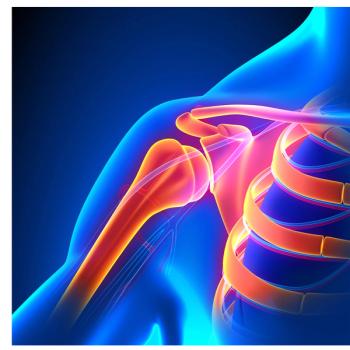
Use of imaging for musculoskeletal extremities has increased significantly over the past 20 years.

Adding automated breast US to regular screening of women with BRCA mutation and cancer detection.
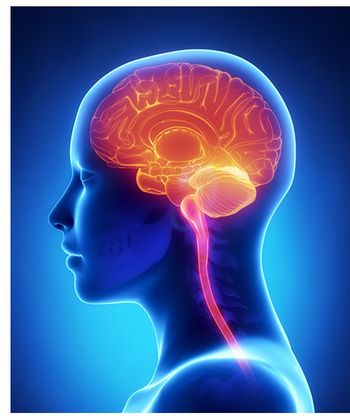
Older patients with brain PET results showing elevated amyloid have many questions.

MRI shows damage to brain tissue among adolescent athletes may continue after they have been cleared to return to sports.

The PanCan approach to lung cancer detection utility in lung cancer screening.
A machine learning module may help predict which high-risk breast lesions are least likely to progress to cancer.

Effect of breath holding during lung PET/CT.

Nuclear medicine radiologic technologists may be at risk for developing cataracts.
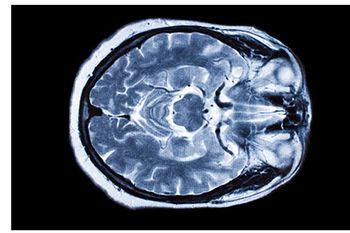
Magnetic resonance imaging of the brain may help physicians predict patient outcomes following a cardiac arrest.
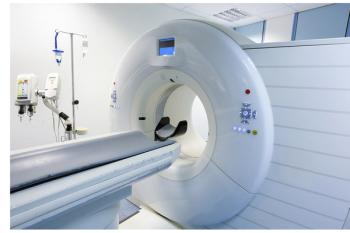
Multiple CT scans for young adults with non-traumatic acute abdominal conditions increase radiation exposure.
More patients and providers are aware of CT dose in 2015 than they were in 2004.
Macrocyclic GBCAs in nonenhanced T1 signal intensity pediatric brain tissue.