
Radiologists are using DBT for breast cancer screening, but it still is a limited resource.
Radiologists are using DBT for breast cancer screening, but it still is a limited resource.
Effect of anxiety about breast cancer screening after radiologist-led public lectures.
Radiology utilization in children transferred to trauma centers after implementation of statewide web-based image repository.
Incidental findings on imaging reports are treated in different ways by PCPs.

Rereading CTs in EDs receiving a transfer patient may detect major discordance in interpretation, from RSNA 2016.
MRI may help physicians determine prognosis of patients with endometrial cancer, from RSNA 2016.
Radiologists’ experience allows them to unconsciously detect lung nodules on CT, from RSNA 2016.
Clinicians believe that clinical integration is best done with direct contact, rounds, and conferences.
Suboptimal DE-CTPA often caused by respiratory motion artifacts and incorrect technique, from RSNA 2016.
MRI shows exercise may help adults with mild cognitive impairment.
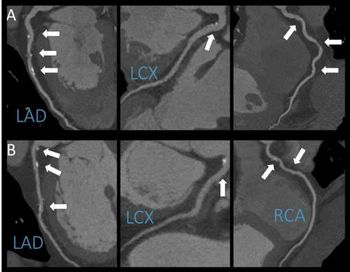
Coronary CT angiography shows whether alcohol consumption is associated with coronary artery disease.
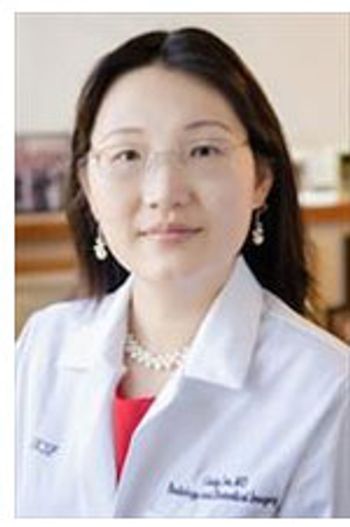
Age-based mammography cessation is not supported by study findings, from RSNA 2016.
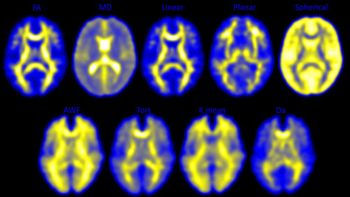
Imaging exams detect structural and functional changes in the brains of high school football players, from RSNA 2016.
Repeat computed tomography scans for trauma patients who are transferred are often unnecessary.
The constant presence of in-house radiology attendings improves residents’ abilities to interpret images.
How does accuracy compare in automated breast volume ultrasound and hand-held ultrasound?
Routine screening with MRI for breast cancer among young women is sufficient.
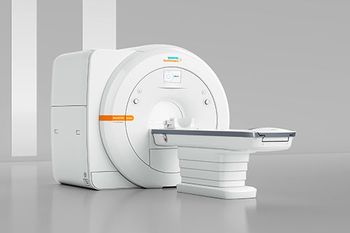
Siemens Healthineers will showcase at RSNA 2016 a new, cost-efficient 1.5T MRI.
Siemens Healthineers unveils at RSNA 2016 new MRI technology that reduces scan time.
Medic Vision will present at RSNA 2016 its XR-29 solution.
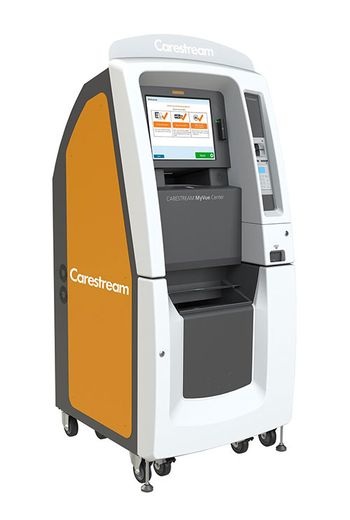
Carestream will showcase at RSNA 2016 its MyVue Center Self-Service Kiosk.
Large-scale breast cancer screening trial will compare tomosynthesis and digital mammography.
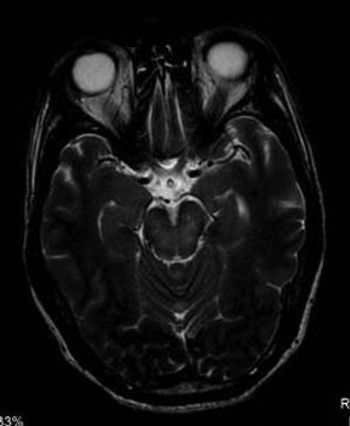
Ultrasound, CT, and MRI are useful tools in detecting brain changes in Zika virus, from RSNA 2016.
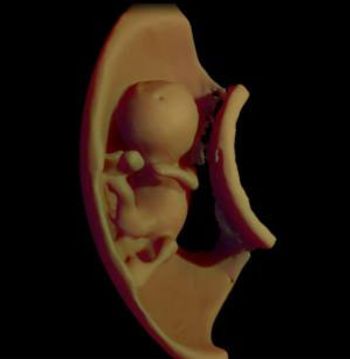
Using data from MRI to create 3D models of a fetus may help detect abnormalities before birth, from RSNA 2016.
CT shows that obesity in adolescence affects bone health later in life, from RSNA 2016.
Radiology sites are popular among the public who want to learn more about radiology procedures.
MRI indicates that traumatized boys and girls may have differences in insula subdivision structure.
Images obtained by 4D CT may help physicians evaluate subtalar instability.
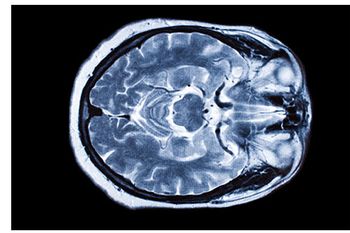
Future neuroimaging studies of psychotherapy response may focus further on individual regions in the brain.
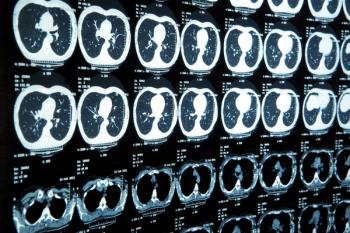
CT is overused when assessing younger patients presenting with minor head injuries.