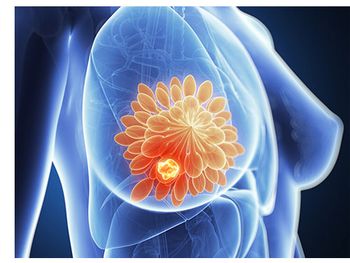
MRI for evaluation of breast masses in lactating women.
MRI for evaluation of breast masses in lactating women.

Information in the EMR may suggest which patients may not show up for scheduled radiology examinations.

FDA approves Philips’ ‘Small Parts’ ultrasound transducer.
Disparities in radiation doses from CT scans in different countries.
MRI may still be possible for some patients with non-conditional cardiac implantable electronic devices.
MRI in the Breast Cancer Surveillance Consortium meets most BI-RADS benchmarks.
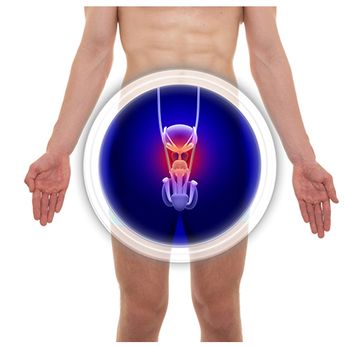
Utility of both PI-RADS version 2 and MRI-ultrasound fusion biopsy for diagnosing prostate cancer.
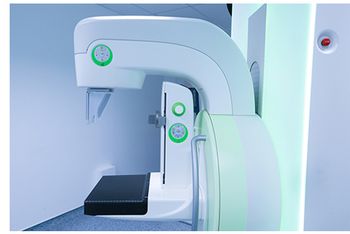
Routine mammography does not detect more cancers among high-risk women who undergo annual screening with MRI.

There are significant differences between women who use mobile units for breast cancer screening compared with those who attend cancer centers.
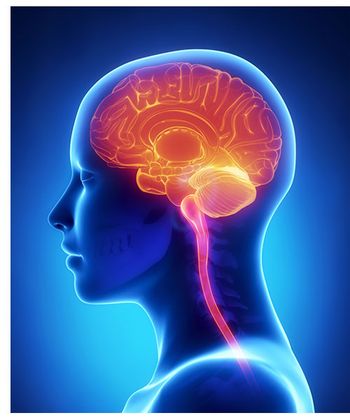
FDG imaging vs PET/MR for diagnosing children with suspected localization-related epilepsy.
Use of contrast enhanced MRI in diagnosing children with a perforated appendix.
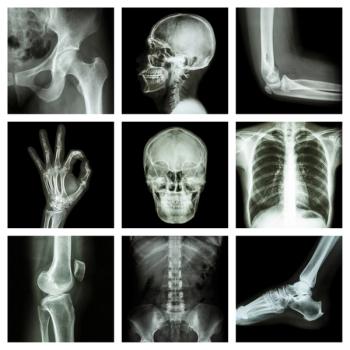
Digital tomosynthesis versus DR following hand and wrist surgery with hardware.
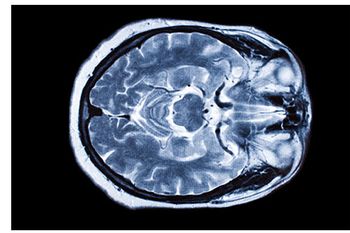
MRI may help physicians identify patients with Parkinson’s disease who may develop visual hallucinations.

Standardizing report turn around times could increase productivity in radiology.

Repeat chest and musculoskeletal radiographs and the effect on diagnosis based on original radiographs.
Breast cancer incidence in women in their 40s supports the recommendation for annual screening from age 40.
Using MRI to monitor men under active surveillance for prostate cancer may help detect measurable growth.
Using breast MR imaging among women with ductal carcinoma in situ provides better depiction of invasive breast cancers.
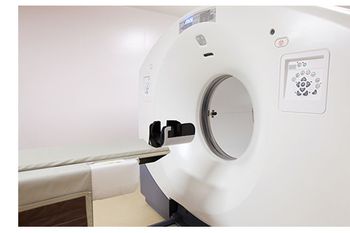
Using PET/CT imaging to evaluate patients following chemoradiotherapy for anal cancer can alter patient management choices.
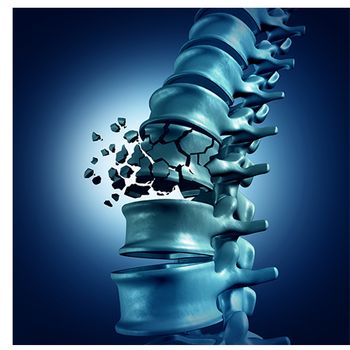
Osteoporotic vertebral fractures are often under reported by radiologists, particularly non-musculoskeletal radiologists.
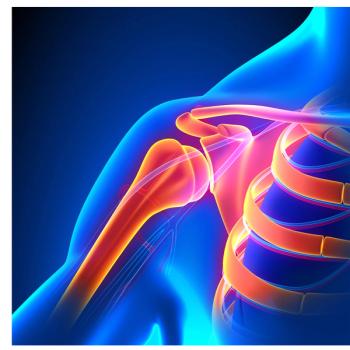
Lower doses of radiation during CT scans for extremities still provide good image quality.
Shoulder MRI reports preferable when provided in a structured report format.

When faced with the possibility of missed findings, would patients generally agree to consuming oral contrasts?

Breast MRI in pregnancy-associated breast cancer may change the surgical management of patients.

Cranial CT scans performed on children in non-pediatric hospitals expose them to more radiation.
Implementation of a comprehensive utilization management program reduces use of high-cost imaging among stable patients.

Use of diagnostic imaging may be the cause of an increase in thyroid cancer incidence, especially among women.
Magnetic resonance elastography shows that locations of brain stiffening differ in common dementia types.
PI-RADSv2 reduces understaging of prostate cancer, but could increase risk of overstaging.

Imaging modality that exhibits the highest accuracy for diagnosis of myocardial ischemia.