

MRI detects brain serotonin levels in patients with mild cognitive decline from Alzheimer’s disease.
MRI detects brain serotonin levels in patients with mild cognitive decline from Alzheimer’s disease.

Enhanced MR imaging versus CT in assessment of disappearing colorectal metastases.
Implementing simple interventions could significantly decrease screening mammography recall rates.

Physicians who perform fluoroscopy-guided procedures are not at higher risk for cancer or death.
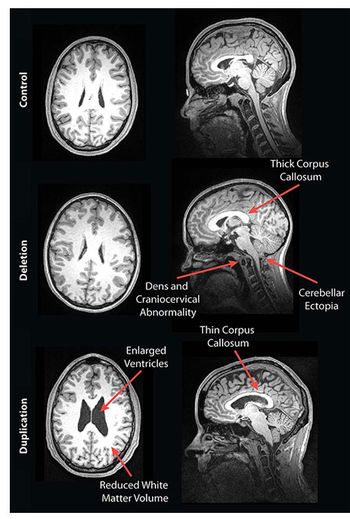
MRI has shown structural abnormalities related to cognitive function among people with genetic forms of autism.
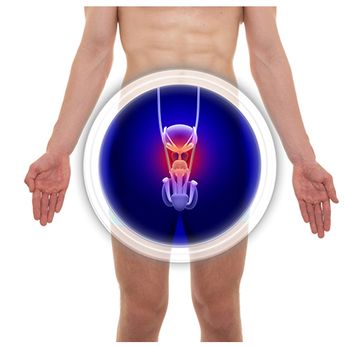
Magnetic resonance measurement of luminal water in prostate gland in detection and grading of cancer.

MRI and CT with contrast provide no greater risk of toxicity for neonates with normal renal system.

Combined MRI can help physicians track cognitive impairment among professional fighters.
More children require anesthesia before MRI, increasing costs.

Combined PET-CT can help diagnose cardiac sarcoidosis.

The first choice for imaging adult patients with suspected appendicitis varies according to patient demographics and resource availability.
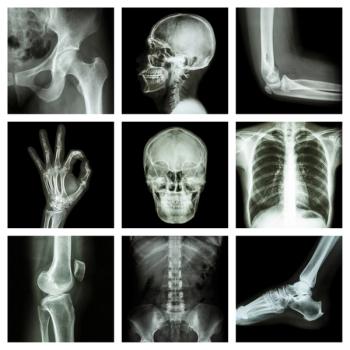
Different standard radiographs reveal a low fracture rate among children with traumatic injuries.

Mastering words in radiology.
Computed tomography angiography helps physicians determine if patients with penetrating vascular trauma require surgery.
Informed decision making for this older women regarding breast cancer screening should be a public health priority.
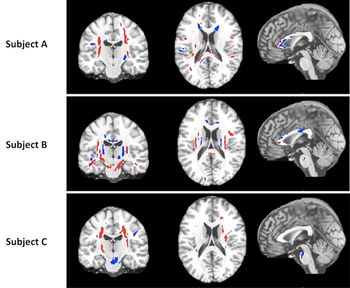
MRI may help physicians monitor Parkinson’s disease progression.
Many radiology residents do not feel a sense of personal accomplishment and experience increasing burnout rates as they move through their residency program.
The combination of CT angiography and CT perfusion versus the combination of invasive coronary angiography plus single photo emission CT in predicting two-year MACE.

CAD-measured peak enhancement at preoperative MRI of women with primary operable breast cancer and outcomes.

Rates of colorectal cancer screening via CT colonography are higher when patients have health insurance policies that cover the screening.
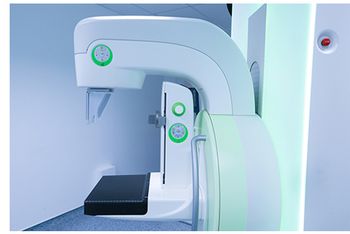
Synthetic vs digital 2D mammograms in assessing breast tissue density.
Review of MRI in the emergency department compared rates of MS as differential diagnosis and final diagnosis.

Using CT perfusion to track ovarian cancer treatment may help physicians determine prognosis.
Effect of breast density on mammography radiation dose.
Including contrast MR imaging can help physicians differentiate between perforated and non-perforated appendicitis.
Annual MRI screening and cancer detection among women under 50 who had breast conservation therapy following breast cancer.

Traces of gadolinium used for MR imaging can be found years later, even in pathologically normal brain tissue.
MRI without contrast or sedation for diagnosing appendicitis in children.
Using PET or CSF assay to detect amyloid plaques in asymptomatic adults may help detect future cognitive decline.

Given the proper resources, radiologists would like to be more directly involved in patient care.