MRI after mammography may detect clinically relevant disease.
MRI after mammography may detect clinically relevant disease.
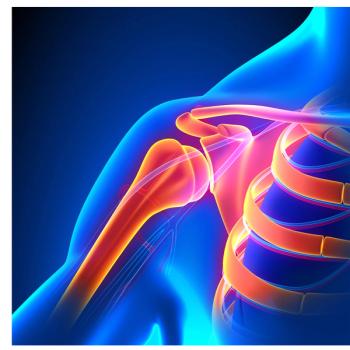
MRI and arthroscopy can help surgeons screen for unstable labral tears.
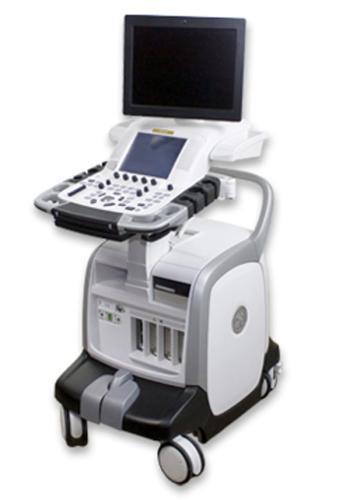
Radiologists viewing supplemental breast ultrasounds should assess lesions separately to reduce the risk of missing a cancer.

MRI plus clinical criteria helps physicians determine which stroke patients would benefit from thrombectomy.

Radiologists are more likely to follow Medicare policy initiatives regarding CT double-scans than are nonradiologists.

Digital breast tomosynthesis screening found more cancers than mammography, and reduced recall rates.
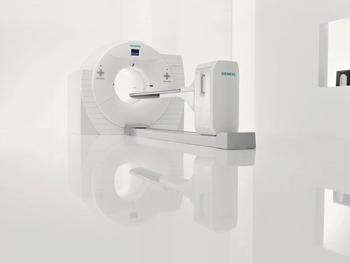
Lesions detected by FDG PET/CT can predict success of stem cell transplant in patients with aggressive lymphoma.
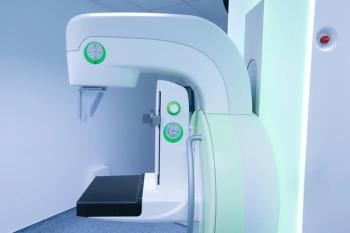
False-positive screening mammograms with recommendations for further evaluation could be a predictor for future breast cancers.

For this “10 Questions” series, we spoke with Katherine Andriole, PhD, FSIIM, about her work and the future of radiology and imaging informatics.
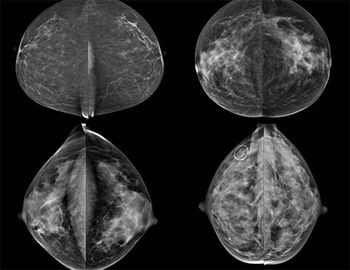
CHICAGO-Challenging breast density as a strong risk factor for cancer.
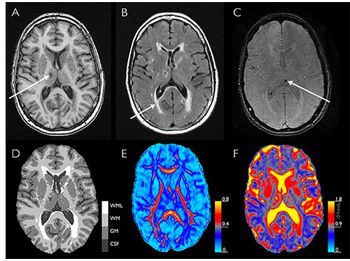
CHICAGO-MRI suggests that subclinical cardiac dysfunction could be indicative of early brain disease.
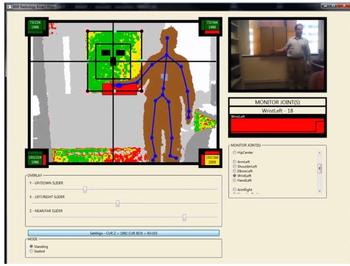
CHICAGO-Radiography images can be improved with gaming technology that recognizes issues that affect image quality.
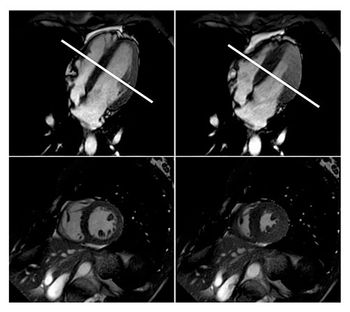
CHICAGO-MRI shows significant changes to the heart of elite free divers.
CHICAGO-Ultrasound discovers whether knuckle cracking is a bubble popping or a bubble being created in the joint.
CHICAGO-The effect of expanded Medicaid to allow screening access on rates of breast cancer screening.
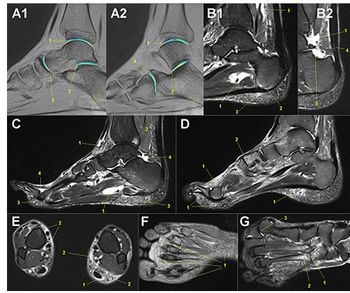
CHICAGO-MRI shows that the knee and ankle cartilage of long-distance runners can regenerate.
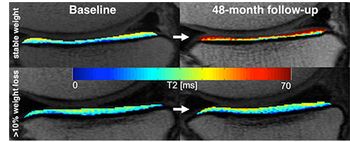
CHICAGO-MRI allows physicians to monitor the protective effect of weight loss on knee cartilage.
CHICAGO-MRI shows abnormal cerebral blood flow even if concussed athletes clinically ready to return to sport.
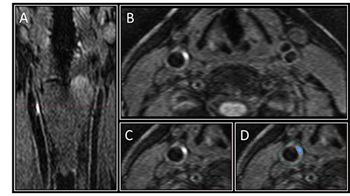
MRI finds possible marker for cardiovascular disease among asymptomatic diabetics.

CHICAGO-Women with subsolid lung nodules detected by CT have a higher risk of lung cancer than do men.

Radiologists can learn about their patients’ experiences through their Tweets.

Multidetector CT without oral contrast can be effective on larger patients presenting with acute abdominal pain.
Non-invasive CTA is more accurate in detecting coronary artery disease among symptomatic patients than SPECT-MPI.

Radiologists are better able to categorize lung nodules with the help of computerized decision tools.
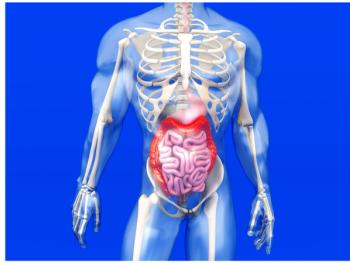
Patient and provider groups call on Congress to pass legislation requiring coverage of CT colonography screening.

Screening mammography finds more high-grade DCIS among older women.
Radiologists can decrease dose from pediatric fluoroscopy through dose tracking with feedback, and training.
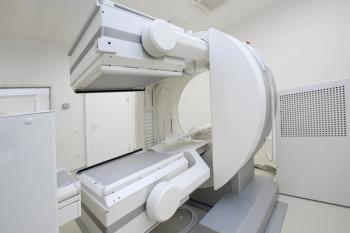
FDG-PET provides physicians with survival predictions for patients with suspected atypical Parkinsonian syndrome.

Using MRI to image the left ventricle shows more precise measurements of the heart.

Choosing Wisely recommendations need further implementation in order to see a drop in unnecessary medical procedures.