
Connecting with radiologists for virtual consults yields varying opinions from referrers, radiologists.
Connecting with radiologists for virtual consults yields varying opinions from referrers, radiologists.


Using PET during treatment for Hodgkin lymphoma may help determine earlier effectiveness of chemotherapy.
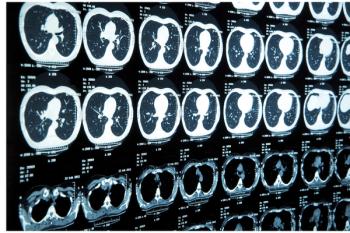
Most radiologists leave out TNM staging for head and neck cancer reports.
Radiologists detect changes in the brains of veterans who have sustained combat-related mild traumatic brain injuries.

Were more women notified of breast density after legislation passed in their state?

Assessing radiologists with and without cardiac training when reading chest CT.
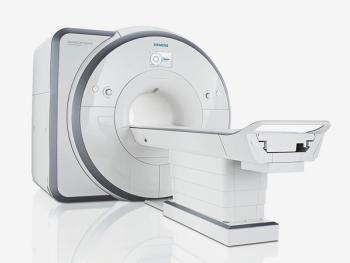
Geographic location of breast MRI facilities may affect vulnerable populations.

Interventional radiologic technologists appear to have a higher rate of developing certain types of cancers.
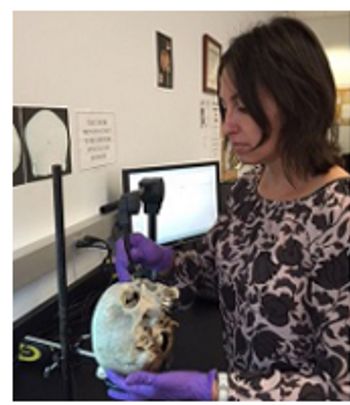
Researchers have developed a set of standards to allow for consistent postmortem identification.
Patient management, treatment changes when radiologists speak directly to acute care physicians.

Improvement in some areas is still needed in integrating PACS in academic radiology departments.
Compare your salary with that of other radiologic technologists with results from our 2016 Compensation Survey.
Find out how much other radiologists are making with results from our 2016 Compensation Survey.

Find out how your salary compares with that of other radiology administrators' with our 2016 Compensation Survey.

The FDA approved DICOM Grid’s cloud PACS and diagnostic viewer.
Annual low-dose CT screening for lung cancer for high-risk patients may not be necessary.

Using imaging to assess head-and-neck cancer patients posttreatment saves money.

MRI can help physicians predict breast cancer recurrence in women who underwent chemotherapy and surgery.
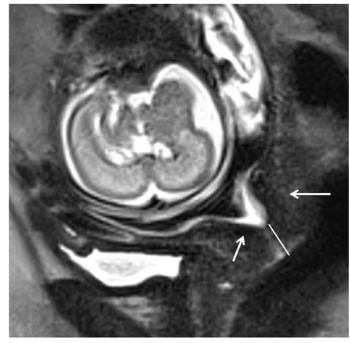
MRI helped predict which women with short cervix would go into preterm labor.
Radiologists may notice differences in breast tissue density in patients with diabetes treated by certain medications.
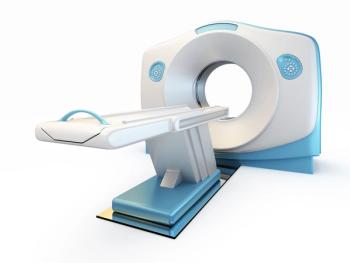
When emergency departments must obtain preauthorization for CTs, they may see an increase in utilization.

Annual CT lung cancer screening recommended for high risk patients.
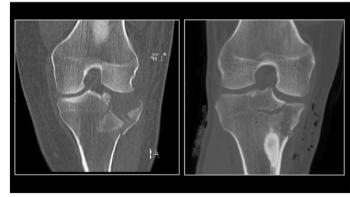
Ultra-low dose CT to detect joint fractures in children as good as standard CT imaging.

Storage of radiology data is not secure, despite efforts to keep it safe.

For this “10 Questions” series, we spoke with Rajan Agarwal, MD, MBA, about his work and the future of radiology.

Abnormal findings on lung cancer screening CT not always followed up in a timely manner.

Childhood cancer survivors may benefit from early MRI breast cancer screening.
The FDA has cleared Box DICOM Viewer, part of the Box for Healthcare solution.
[VIDEO] CHICAGO-Tips from Lawrence Muroff, MD, for radiology practices on negotiating hospital contracts.