
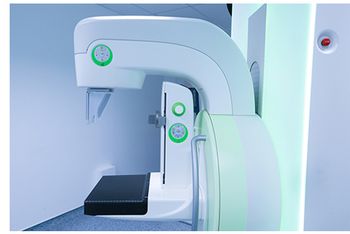
False-positive screening mammograms may correspond with a higher risk of developing breast cancer.
False-positive screening mammograms may correspond with a higher risk of developing breast cancer.

When considering cancer screening, patients and physicians need better descriptions of both benefits and harms.

Radiologists’ errors in communication can have a direct impact on patient care.

PET imaging does not improve detection of some recurrent cancer in asymptomatic patients.
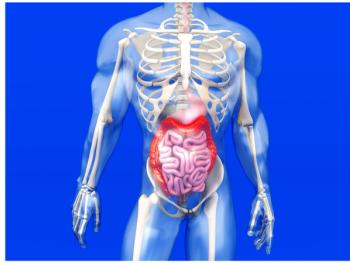
Evaluation of noninvasive PET/MR enterography on differentiation of strictures in patients with Crohn disease.
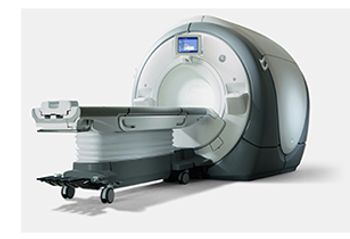
A two-step system to differentiate mass and nonmass images on MRI improves breast cancer detection.

FDA approves Bracco’s READI-CAT 2 and READI-CAT 2 SMOOTHIE for use in abdominal CT.
Effect of mammography on older women’s life expectancy still unclear.

For this “10 Questions” series, we spoke with Stamatia V. Destounis, MD, about her work and the future of radiology.
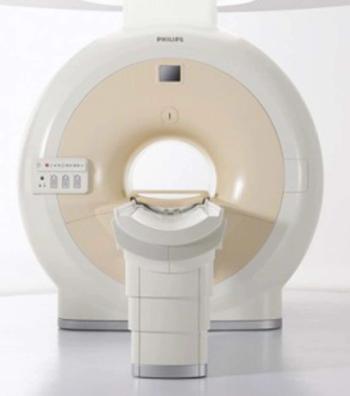
MRI dominates list of modalities responsible for patient recalls in an outpatient setting, study shows.
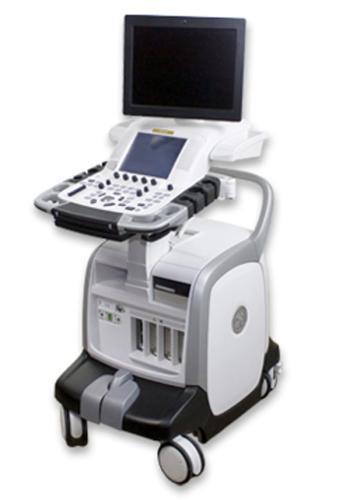
Researchers identify whether scanner-based protocols for ultrasound improve department efficiency.

Image-guided liver biopsies are generally safe procedures, but certain risk factors have been identified.

Radiation used for medical imaging is not harmful, according to a recent study.

Meditation and music during imaging-guided breast biopsy can change the woman's experience.

Image interpretation and accuracy may be effectively measured with a new software program.
Diffusion-tensor MRI algorithm may help physicians evaluate patients with mild traumatic brain injury and post-trauma migraines.

MRI distinguishes brain lesions, possibly supplementing existing diagnostic algorithms
Screening CTC rarely finds extracolonic findings among asymptomatic patients, but many are clinically significant.

Online imaging sharing allows for easy access of imaging tests, but is it less secure?

For this “10 Questions” series, we spoke with Allen D. Elster, MD, about his work and the future of radiology.

Use of CT imaging among emergency department patients with non-serious injuries has increased significantly.
Children undergoing integrated PET/MRI for solid tumor diagnosis likely do not need gadolinium contrast.
Repeated digital mammography to screen for breast cancer may increase the risk for breast cancer.

Patients with high deductible health plans aren’t getting the imaging they need.

Computer-aided diagnosis was evaluated to determine efficacy in radiologic assessment of lung cancer.
Integrated PET/MRI for patients with colorectal cancer can help physicians decide on appropriate treatment options.
Inappropriate cardiac imaging drops when interventions are subject to physician audits and feedback.
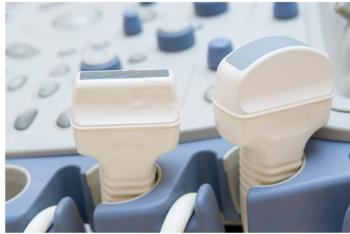
Ultrasound detects more invasive cancers, but number of total cancers detected is comparable between US and mammography.

Imaging vendors care about health care reform, too.
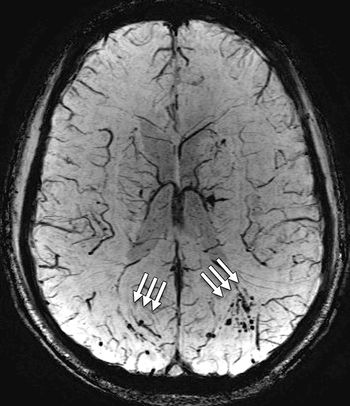
MRI shows lasting brain damage among military personnel with MTBI from blast injuries.