
CT and blood test follow-up after curative surgery for primary colorectal cancer provides small, if any, survival advantages.
CT and blood test follow-up after curative surgery for primary colorectal cancer provides small, if any, survival advantages.
Patients with suspected appendicitis can be effectively screened by ultrasound, using CT only if more information is needed.
Early tracking of creatine using chemical exchange transfer MRI may help detect heart disease in very early stages.
A two-tiered approach with MRI to assess for hearing loss is more cost effective than comprehensive MRIs, but just as effective.
Cardiologists should review cardiac imaging use for their patients in an effort to reduce patient radiation exposure.
Pulmonary emboli missed by CT angiography may be detected by computer aided detection programs.
After a decade of increased use of breast MRI for screening and surveillance, its use has stabilized.
Siemens Healthcare announced FDA approval of their MAGNETOM Prisma, a 3T MRI scanner.
Brain magnetic resonance spectroscopy to measure brain chemical ratios in preterm infants may help determine which will have neurodevelopment problems.
Frequent use of gadolinium-based contrast medium may play a role in hypersensitivity in the brain of patients who undergo multiple MRIs.
Low-dose CT screening for lung cancer reduces lung cancer deaths, a benefit that outweighs the risk of overdiagnosis.
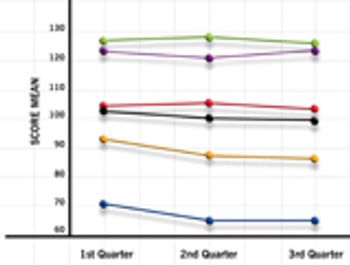
Reimbursement concerns continue to plague medical imaging managers, according to the latest MICI report.
CHICAGO - Screening mammograms done every year have a higher chance of detecting breast cancer before it spreads to the lymph nodes than do less frequent exams.
CHICAGO - More breast cancer detection, fewer false positives with digital tomosynthesis.
CHICAGO - Coronary CT angiography reveals similarities between coronary disease and cardiovascular risk among both men and women.
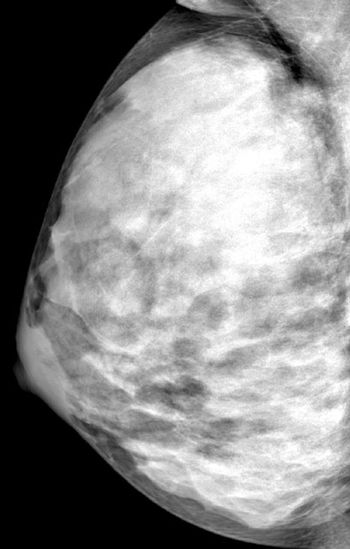
CHICAGO - Establishing early breast density through full-digital mammography may predict breast cancer among younger women.
Using ultrasound as first-line imaging for suspected pediatric appendicitis limits radiation exposure to patients without compromising diagnosis and patient outcome.
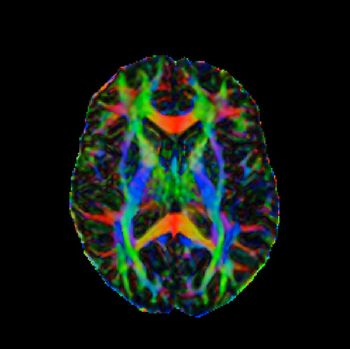
CHICAGO - Diffuse tensor imaging may help clinicians differentiate between mild traumatic brain injuries and post-traumatic stress disorder.
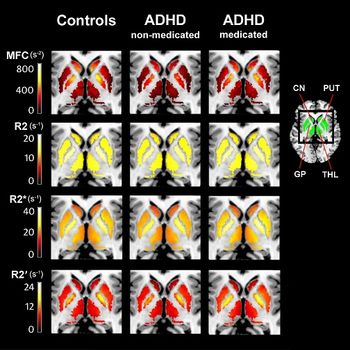
CHICAGO - Magnetic field correlation, a newer type of MRI, can detect low levels of iron in the brains of children and adolescents with ADHD who are ADHD medication-naive.
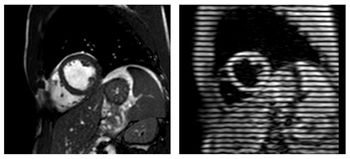
CHICAGO - Magnetic resonance images can detect significant strain on the heart following consumption of energy drinks high in caffeine and taurine.
The RNSA and the Regenstreif Institute are working together to unify CT procedure names, many of which differ Radlex and LOINC terminology.
Brain imaging helps detect effectiveness of pregabalin among patients with fibromyalgia.
More screening breast MRIs performed, but improvement in appropriate use still needed.
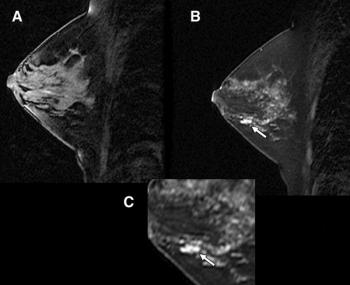
Breast cancer screening and surveillance MRI use increased significantly over a decade - but not among the women who need it most.
Diffusion tensor imaging has detected that alterations in brain connections among patients with temporal lobe epilepsy are more widespread than thought.
CT colonographies that do not require bowel cleansing are almost as effective as traditional colonoscopies and may increase patient compliance for screening.
Better lighting in the radiology reading room, the right monitors and wearing contacts instead of glasses may help reduce fatigue while reading images.