
Lower recall rates, more cancer detection were seen with 3D digital breast tomosynthesis, compared with 2D digital mammography.
Lower recall rates, more cancer detection were seen with 3D digital breast tomosynthesis, compared with 2D digital mammography.
No more excuses, radiologists. Experts weigh in on how social media benefits the radiology industry.
Cardiac imaging with PET and MRI shows excellent diagnostic accuracy compared with SPECT-MPI.
Low-dose CT screening for lung cancer does not result in diminished health quality of life or long term anxiety, study says.
Use of digital breast tomosynthesis varies across the country and among practices, but is most often used clinically.
Magnetic resonance imaging may be a promising way to detect lower levels of iron in the brain, helping determine which children have ADHD.
Imaging visualizes rheumatoid arthritis inflammation in preclinical study.
Magnetic resonance imaging detects lower connectivity in the basal ganglia network among patients with early Parkinson’s disease.
Imaging shows signs of brain abnormalities among babies born between 32 and 37 weeks’ gestation.
Medical imaging executives and radiologists are still concerned about receiving reimbursement from Medicare for diagnostic and interventional imaging.

For this 10 Questions series, we spoke with Jonathan Flug, MD, MBA, about his job and the future of radiology.

Emergency department radiology services frequently are uncompensated among both uninsured and insured patients.
Knowledge of radiation safety among medical residents, including radiology residents, could be improved.
Preoperative imaging of patients with esophageal cancer by PET and MRI may provide higher accuracy in nodal staging.
Diffusion-weighted imaging helps physicians assess myeloma treatment effectiveness.
High resolution coronary CT angiography provides better results among patients at high risk for CAD than does standard resolution coronary angiography.
Reconstructed 2D images, with no radiation exposure, and tomosynthesis are comparable to full field digital mammography plus DBT in screening mammograms.
Incidental findings from diagnostic chest CT may help physicians identify patients at risk for cardiovascular disease.
Radiologists can help members of the public better understand cancer screening imaging exams by providing public educational talks or presentations.
Radiology resident recognized for research into compressing mammograms for accurate and speedy electronic transmission.
Using PET-CT compared with CT before surgery for potentially resectable liver metastases from colorectal cancer may not significantly alter surgical management.
Winner announced!
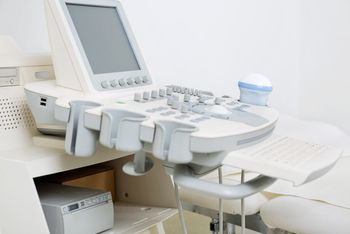
Preoperative axillary ultrasound is effective in detecting invasive breast cancer in obese patients.
Radiation doses for pediatric head CT imaging can be significantly reduced through use of adaptive statistical iterative reconstruction technique.
Clinical data provided to radiologists via electronic health records can have a significant impact on radiological interpretations.

Diffusion tensor imaging shows differences in the brain between males and females who sustain concussions.
Fewer ultrasounds and biopsies were seen for women referred for breast tomosynthesis after recall for focal asymmetric density following screening mammography.
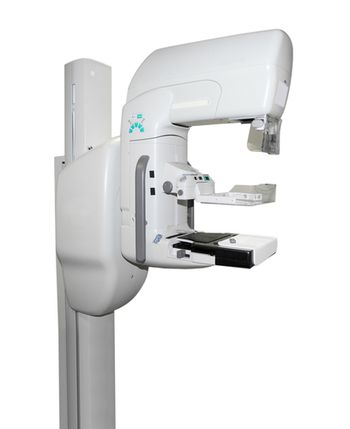
Radiation risk from mammography may be overestimated by women who may then avoid undergoing the screening examination.
Using automated dose tracking software allows clinicians to monitor the radiation doses used in the clinical setting.

Our “10 Questions” series asks the same questions to a diverse group of professionals in the medical imaging community.