
Imaging can detect changes in white matter among children with reading difficulties.
Imaging can detect changes in white matter among children with reading difficulties.

Ultrasounds accurate for initial screening for kidney stones.

Access to imaging, particularly MRI and some forms of CT, vary considerably across the United States.
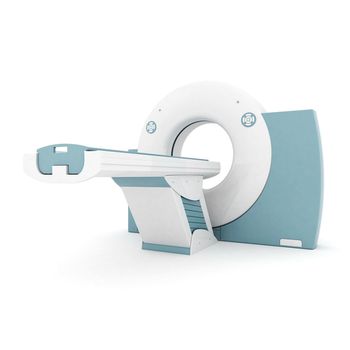
Patients undergoing MRI may have lessened anxiety if the procedure is well-explained.
Cerebrovascular reserve testing via transcranial Doppler ultrasound useful in identifying asymptomatic patients with carotid artery stenosis at risk for stroke.

Radiology departments are not turning off unused equipment, and racking up dollars.
MRI technique helps demonstrate the amount of damage in the gray matter of the brain is related to the severity of MS disability.
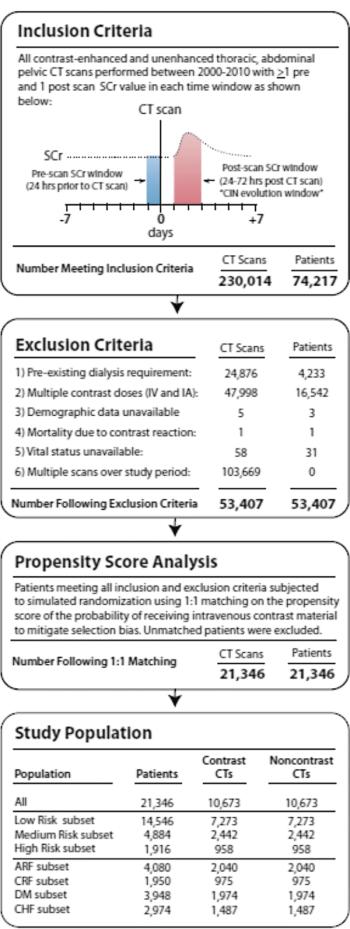
Intravenous contrast material for CT appears to be safe for most patients, including those with a predisposition to nephrotoxicity.
The reason for performing a breast MRI should be taken into consideration when assessing performance measures.
Low-dose CT screening can help clinicians detect early cancers among survivors of Hodgkin lymphoma, particularly if they were or are smokers.

Advice from the trenches for new radiologists.
Coronary CT angiography is a useful tool in detecting prevalence and type of coronary artery fistulas.
Mammograms of dense breast tissue are read in a different way than mammograms of less dense breast tissue.
Magnetic resonance imaging on patients with multiple sclerosis who use a Will balance board showed changes of the brain that affected balance and movement.
Using SPECT-CT allows clinicians to identify some causes of low back pain.
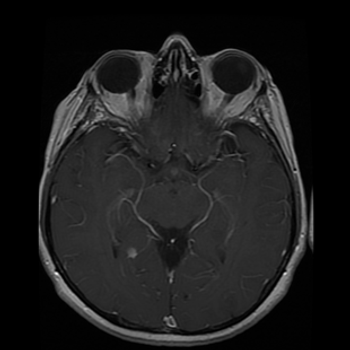
Diffusion tensor imaging detected disruptions in white matter integrity that could be linked to higher impulsivity in chronic users.
Medical imaging managers aren't very optimistic about receiving reimbursement for diagnostic imaging services.
Magnetic resonance imaging detected additional cancers among women who underwent breast conservation therapy following early diagnosis of breast cancer.

For this “10 Questions” series, we spoke with Eliot Siegel, MD, FACR, FSIIM, about his work and the future of radiology.
Multiparametric MRI helps identify low- and high-grade brain gliomas, reducing risk of inappropriate or delayed surgery.
Using PET/CT imaging can help clinicians detect recurrent thyroid disease among patients who have negative radioiodine scans.
Magnetic resonance imaging can be used to track brain growth of premature babies.
Chest tomosynthesis may reduce the number of chest CTs and the resultant radiation doses.
Pelvic radiographs not be as effective as CTs in diagnosing pelvic fractures or dislocations in children.
Using PET/CT with 18F-fluorodeoxyglucose–labeled leukocytes is a noninvasive and reliable method to help diagnose acute pancreatitis.
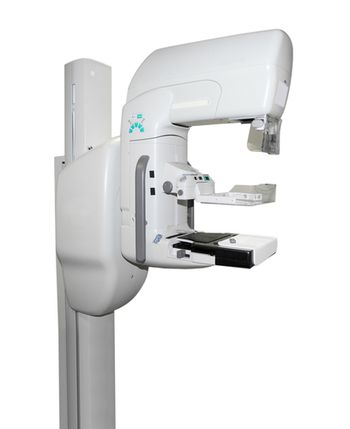
Mammography detects early cancers in older women and provides better disease-specific survival than cancers discovered by the patient or physician.
Subclinical inflammation of non-swollen joints not seen on radiographs can be detected on MRI.
Web-based decision tool in development to help high-risk patients decide if they want to undergo low dose CT screening for lung cancer.
Liver MRI is not accurate enough to definitely identify patients with iron overload.
Knee and shoulder MRI before radiography adds to patient care costs.