
Use of imaging studies in emergency departments rose significantly from 1993 to 2007, but then declined from 2007 to 2012.
Use of imaging studies in emergency departments rose significantly from 1993 to 2007, but then declined from 2007 to 2012.
The type of imaging processing used in digital mammography has an impact on detection of calcification clusters.
Two more radiographic signs for gastric band slippage have been identified.
General practitioners in Australia are increasingly ordering imaging tests, with an increase of 45 percent over the past decade.
PET with [18 F]flutemetamol can assist physicians in early and more accurate diagnosis of early onset dementia.
Brain PET and age may help clinicians determine which patients with amnestic mild cognitive disorder may progress on to probable Alzheimer’s disease.
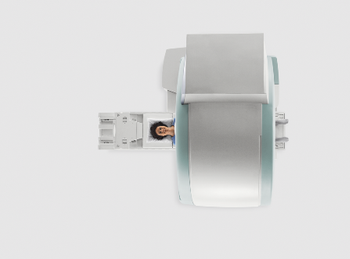
Magnetic resonance imaging of pregnant patients with suspected appendicitis improves resource use, study finds.
Ultrasounds can help identify pneumonia and its progression in children without exposure to ionizing radiation.
Magnetic resonance images reveal characteristics of breast cancer can differ depending on age.
Use of MRI to visualize white matter may help clinicians predict progression of MS.
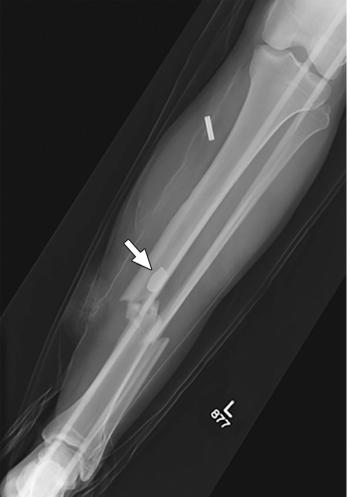
Analysis of imaging performed immediately following the Boston Marathon bombings allowed researchers to improve the emergency response system.
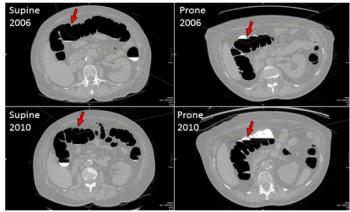
Using an algorithm with CT colonography allows radiologists to recognize previously identified polyps.
Bedside ultrasound competency assessment of emergency medicine residents varies considerably throughout the U.S.

For this 10 Questions series, we spoke with Vijay M. Rao, MD, FACR about her job and the future of radiology.
A drop in the number of CT scans performed on inpatients and reduction of radiation doses lowered the estimated rate of induced cancers.

For the most part, women who undergo image-guided core-needle breast biopsies experience minimal pain.

Uncomplicated headache without red flags does not usually require imaging for diagnosis.
Use of pediatric dose-reduction protocols and shielding for CTs vary among hospitals.

Whether an ED has access to radiology services and what those services entail varies greatly between facilities.

Many CTs for suspected appendicitis among children may be avoided if radiologists use a diagnostic algorithm.
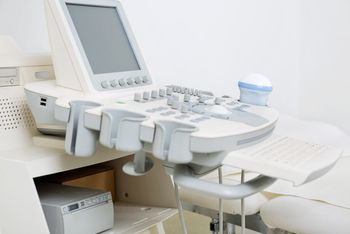
Screening ultrasounds plus mammography may find more cancers in women who have breast dense tissue.

Fujifulm’s Aspire Cristalle digital mammography solution received FDA clearance yesterday and includes features promoting patient comfort and image quality.
Using the combination MP 18FDG PET-MRI improves differentiation of benign and malignant breast tumors.
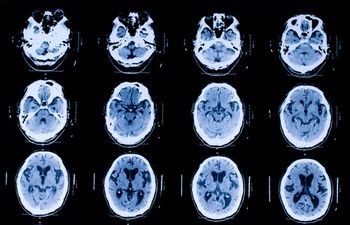
Patients with a blunt traumatic brain injury who exhibit normal neurological status do not need to undergo repeat head CT scans.
Screening with tomosynthesis in conjunction with digital mammography lowers recall rates and increases cancer detection.
Ultrasound screening recommendations for abdominal aortic aneurysms remain mostly the same and still only definitively recommend screening for men.
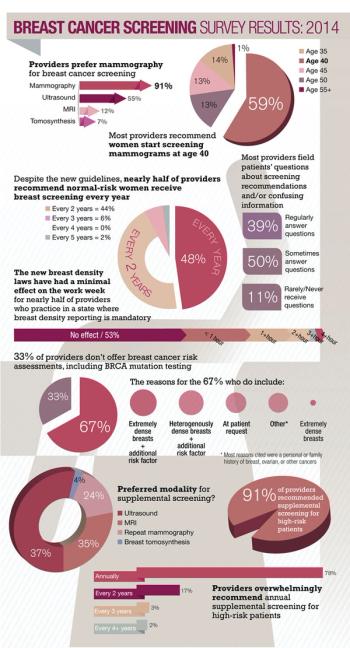
What’s the preferred breast cancer screening modality? When should patients begin screening mammograms? Are guidelines being considered? We compiled the data.
When mammograms are read by radiologists who are familiar with the patients’ risk factors, there are fewer missed diagnosis and false positives.
CT images show lung changes in patients with MERS coronavirus infection.
Women aged 50 to 69 who underwent mammography screening had a reduced death rate compared to women who did not have mammography screening.