
Functional MRI has detected alteration in the areas of the brain that correlate with executive functioning,in boys with ADHD.
Functional MRI has detected alteration in the areas of the brain that correlate with executive functioning,in boys with ADHD.
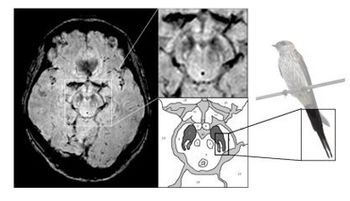
Images from 3T MRI help detect signs of Parkinson’s disease, inexpensively, and with no danger of radiation exposure.
Coronary CT angiography helps clinicians assess soft coronary plaque in patients with diabetes, identifying those who are at risk of cardiac disease or event.
Women who receive false-positive mammography results are still likely to undergo future testing.
Further strategies are required to reduce CT radiation doses used in diagnostic screening.
Pulmonary CT angiograms that detect coronary artery calcification can help predict acute coronary syndrome in some patients
18F-FDG PET more accurate than fMRI and may help physicians better determine the long-term recovery of patients with unresponsive wakefulness syndrome.
Diffusor tensor imaging (DTI) identifies regional white matter damage in the brains of people who sustained mild brain injuries.

Our “10 Questions” series asks the same questions to a diverse group of professionals in the medical imaging community.
As clinicians order more noninvasive cardiac imaging for patients with suspected ischemia, hospital admission rates and angiography rise.
Radiologists are using DBT clinically and more frequently, but it still remains a limited resource.
Imaging with CT and coronary CT angiography shows prevalent and extensive presence of coronary artery plaque among men infected with HIV.
Breast emergencies are uncommon but require quick identification and management when patients present with complaints, such as mastitis and breast abscesses.

The numbers are in. Our 2014 Radiology Compensation Survey rounds up the data from a variety of members in the radiology community. How many hours are they working? How much money do they make? Are they happy with their career choice? Find out here.
Dual-energy CT may help clinicians diagnose gout when MSU crystals are not observed through polarizing microscopy.
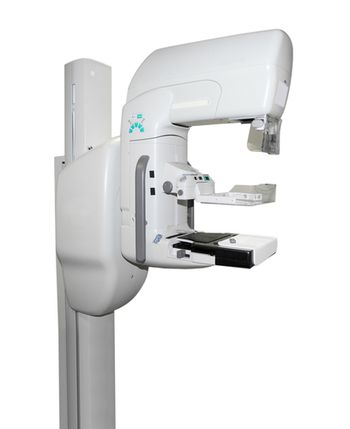
Full-field digital mammography is associated with lower recall and biopsy rates, compared with screen film mammography.
Radiologists can reduce the number of unnecessary imaging procedures through quality improvement regarding the appropriateness of the tests.
Radiology report turnaround times are significantly faster after implementation of speech recognition software.
Use of nuclear myocardial perfusion imaging exams dropped sharply between 2006 and 2011, but substitute imaging studies haven’t increased.
Direct radiography photon-counting systems detect more smaller breast cancers and DCIS, but also cause more recalls.
Patients with intermediate risk chest pain may be safely assessed within 12 hours of presenting to ER with stress cardiac MR imaging.
Innovative radiology monitors, like the LCD screen, provide better quality images.
Magnetic resonance imaging is an effective alternative to ultrasounds and CT scans in diagnosing pediatric appendicitis.
Lung ultrasounds can help clinicians identify patients with preeclampsia who have developed pulmonary edema.
Unnecessary brain scans for complaints of headache and migraine becoming more popular, but are costly for the health care system.
Medical imaging managers have very low confidence about receiving adequate reimbursement from Medicare, according to the latest MICI report.
Using NaF-PET to evaluate prostate cancer progression and evidence of osseous metastases allows clinicians to change treatment plans.
Medicare should fully cover low-dose CT lung cancer screening as per the USPSTF recommendations for high-risk patients.
Radiology groups concerned the Fiscal Year 2015 budget recommending prior authorization of advanced medical imaging will limit patients’ access to tests.
Ultra-high-field 7-Tesla MRI of the brain detected abnormalities in the substantia nigra among subjects with Parkinson’s disease.