Jeff Hall

Senior Editor, Diagnostic Imaging

Articles by Jeff Hall

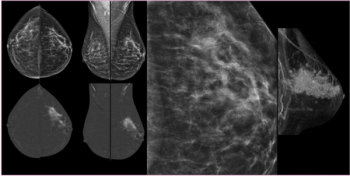
In a recent video interview, Susan Holley, MD discussed key findings from a large retrospective longitudinal study, presented at the recent Radiological Society of North America (RSNA) conference, which found that an emerging artificial intelligence (AI) model was over 24 percent more consistent than radiologist assessment of breast density.

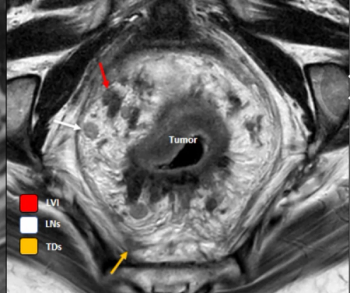
In a recent lecture at the Radiological Society of North America (RSNA) conference, Wendy DeMartini, MD, discussed a variety of preliminary proposed changes to the Breast Imaging Reporting and Data System (BI-RADS) for breast magnetic resonance imaging (MRI) examinations.

In a recent video interview, Raymond Y. Kwong, MD, discussed his clinical experience with the Vista.ai (formerly HeartVista) One Click MRI software and recent research, presented at the Radiological Society of North America (RSNA) conference, that revealed a 31 percent decrease in cardiac MRI scan times for patients with cardiomyopathy or structural heart disease.

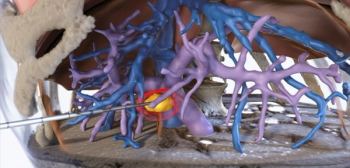
Offering more than 70 clinical applications, the next-generation edition of the Advanced Visualization Workspace reportedly includes enhanced liver analysis and artificial intelligence (AI)-powered scoring of early brain infarction noted on computed tomography (CT) scans for patients with ischemic stroke.

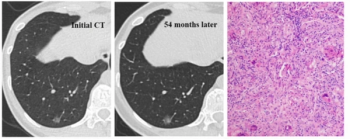
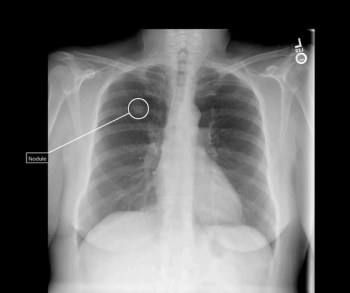
In the newly released Lung-RADS 2022 classification system for computed tomography (CT) lung cancer screening, the American College of Radiology (ACR) has noted a variety of updates including new classification criteria for atypical pulmonary cysts and airway nodules, time intervals for nodule growth and a new stepped management approach for Lung-RADS categories 3 and 4A.

In a recently published article, researchers from Yale University discuss the pros and cons of current FDA regulations as they apply to the clearance and use of adjunctive artificial intelligence (AI) software with conventional breast cancer screening modalities such as mammography.

Reviewing data from over 4 million patients who presented to emergency departments with suspected urinary stone disease between 2012 and 2018, researchers noted a greater than 10 percent decrease in visits with no imaging study and a greater than 10 percent increase in visits with CT imaging.