Jeff Hall

Senior Editor, Diagnostic Imaging

Articles by Jeff Hall

In the second part of a recent interview, Nina Kottler, M.D., M.S., discussed keys to evaluating the potential value of artificial intelligence (AI) systems and emerging developments with AI that were discussed at the recent Radiological Society of North America (RSNA) conference.
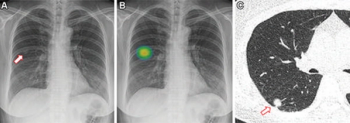
From incidental findings and screening for chronic obstructive pulmonary disease (COPD) to surveillance imaging protocols and the advent of artificial intelligence (AI), the authors of a new meta-analysis examine insights and emerging trends from the last two decades of research on the use of low-dose computed tomography (CT) in lung cancer screening.

In a video interview discussing one of her recent lectures at the Radiological Society for North America (RSNA) conference, Nina Kottler, M.D., M.S., noted how the combination of artificial intelligence (AI) and radiologist experience can help mitigate bias limitations with the development of AI algorithms as well as educational biases inherent to a radiologist’s training and experience.

Reportedly the first targeted molecular imaging agent to provide intraoperative illumination of lung cancer, Cytalux (pafolacianine) helped identify clinically significant events in more than 50 percent of patients undergoing surgery for confirmed or suspected pulmonary nodules, according to Phase 3 trial data presented earlier this year at the American Association for Thoracic Surgery Annual Meeting.

In a recent video interview from the Radiological Society of North America (RSNA) conference, Tessa Cook, MD, PhD discussed new research on automated de-identification in radiology reports and the potential of artificial intelligence (AI) and natural language processing (NLP) to help address time-consuming challenges in the radiology workflow.

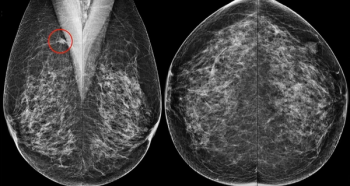
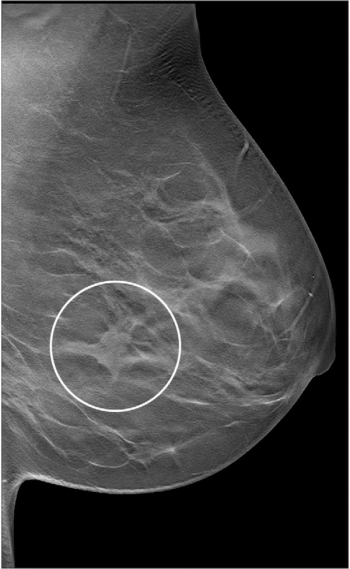
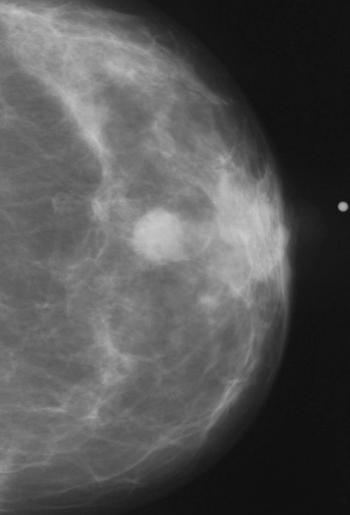
In a recent video interview, Susan Holley, MD discussed key findings from a large retrospective longitudinal study, presented at the recent Radiological Society of North America (RSNA) conference, which found that an emerging artificial intelligence (AI) model was over 24 percent more consistent than radiologist assessment of breast density.

In a recent lecture at the Radiological Society of North America (RSNA) conference, Wendy DeMartini, MD, discussed a variety of preliminary proposed changes to the Breast Imaging Reporting and Data System (BI-RADS) for breast magnetic resonance imaging (MRI) examinations.

In a recent video interview, Raymond Y. Kwong, MD, discussed his clinical experience with the Vista.ai (formerly HeartVista) One Click MRI software and recent research, presented at the Radiological Society of North America (RSNA) conference, that revealed a 31 percent decrease in cardiac MRI scan times for patients with cardiomyopathy or structural heart disease.