Jeff Hall

Senior Editor, Diagnostic Imaging

Articles by Jeff Hall

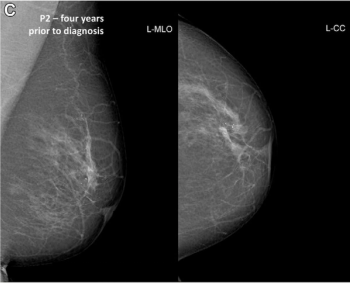
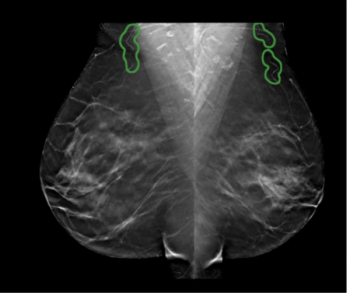
With ongoing gaps in mammography screening and patient anxiety that often accompanies screening exams and a possible diagnosis of breast cancer, patient education is critical. Accordingly, in a recent video interview, Amy K. Patel, M.D., discussed the potential impact of new patient-oriented breast cancer screening guidelines from the National Comprehensive Cancer Network.

In a new study, researchers examined trends with diversity in the radiology workforce, offering a closer look at the gender, race and ethnic makeup of radiology residency programs and academic faculty.

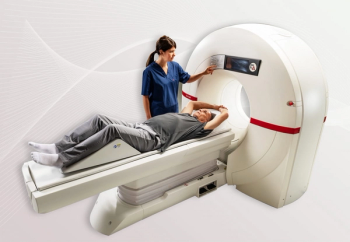
While recent recommendations from the United States Preventive Services Task Force (USPSTF) to lower lung cancer screening thresholds significantly expanded eligibility for screening tests such as low-dose computed tomography (CT), differences in education, health-care insurance and proximity to health-care facilities continue to be key drivers of racial and socioeconomic disparities limiting access to appropriate preventive care.

While the Ovarian-Adnexal Reporting and Data System ultrasound (O-RADS US) system provides a standardized and validated system for classification and risk stratification of ovarian and adnexal masses, a variety of clinical scenarios may prohibit or limit use of the system.

In a video interview, Morris Panner, the president of Intelerad Medical Systems, discussed key observations from the recent Society for Imaging Informatics in Medicine (SIIM) conference, recent research about artificial intelligence (AI) adoption and emerging goals for enhancing the efficiency of radiology workflows.