

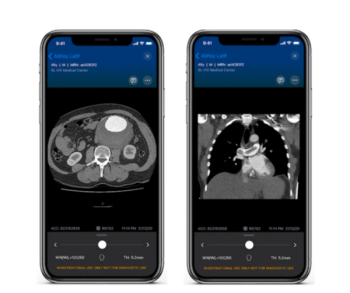
The artificial intelligence (AI)-enabled Viz™ Vascular Suite reportedly allows automated detection of vascular conditions, shown on computed tomography (CT) and other imaging modalities, and facilitates timely triage among interdisciplinary teams.
Senior Editor, Diagnostic Imaging
The artificial intelligence (AI)-enabled Viz™ Vascular Suite reportedly allows automated detection of vascular conditions, shown on computed tomography (CT) and other imaging modalities, and facilitates timely triage among interdisciplinary teams.
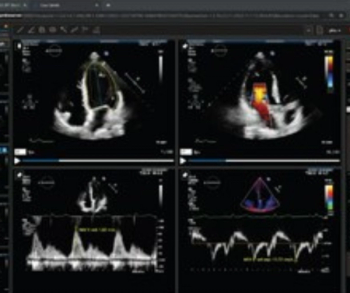
CAAS Qardia 2.0, an updated version of the CAAS Qardia echocardiography software platform, reportedly incorporates artificial intelligence (AI)-enabled workflows, and provides enhanced imaging and analysis of key cardiac measures.
In the second part of a recent interview, Nina Kottler, M.D., M.S., discussed keys to evaluating the potential value of artificial intelligence (AI) systems and emerging developments with AI that were discussed at the recent Radiological Society of North America (RSNA) conference.
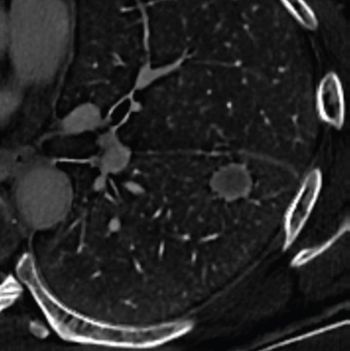
In comparison to primary lung cancer, pulmonary metastases had a 33 percent higher frequency of ring-like peripheral high iodine concentration on dual-energy computed tomography (DECT), according to a new retrospective study.
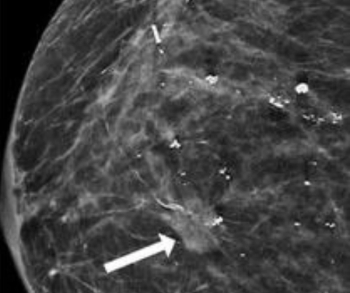
While breast cancer imaging guidelines recommend annual screening for five years after treatment for ductal carcinoma in situ (DCIS), a new study of over 12,000 women found that only 52 percent had consistent surveillance screening with researchers noting disproportionately lower follow-up imaging rates for Black and Hispanic women.
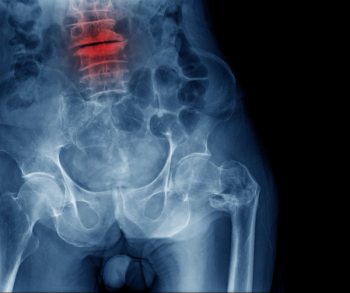
A new study found that approximately one-third of men with prostate cancer were diagnosed with at least one vertebral fracture prior to the initiation of androgen deprivation therapy (ADT).
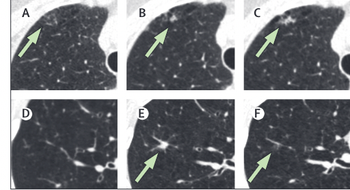
From incidental findings and screening for chronic obstructive pulmonary disease (COPD) to surveillance imaging protocols and the advent of artificial intelligence (AI), the authors of a new meta-analysis examine insights and emerging trends from the last two decades of research on the use of low-dose computed tomography (CT) in lung cancer screening.
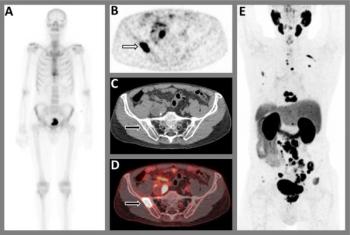
A new comparative study found the use of prostate-specific membrane antigen (PSMA) positron emission tomography/computed tomography (PET/CT) led to treatment changes in nearly 20 percent of patients with high-risk prostate cancer.
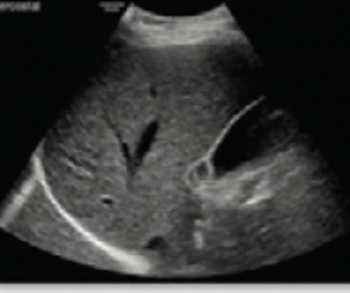
In a new prospective study, an emerging deep learning model, which incorporates parametric mapping with quantitative ultrasound to estimate liver fat fraction, demonstrated a 90 percent sensitivity rate and a 91 percent specificity rate for diagnosing hepatic steatosis in patients with non-alcoholic fatty liver disease (NAFLD).
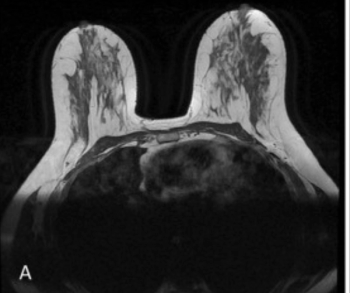
Emerging research suggests that magnetic resonance imaging (MRI) may help downgrade nearly 10 percent of suspected BI-RADS 3 lesions from ultrasound imaging
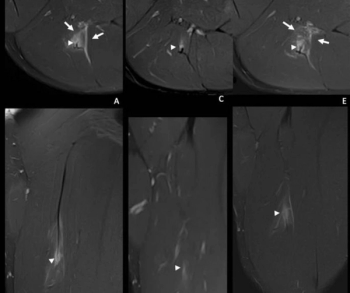
In a study looking at acute muscle injuries in professional athletes, the use of magnetic resonance imaging (MRI) within a week prior to their return to play demonstrated significant re-injury risk with intermuscular edema, callus gap and transversal and/or mixed connective tissue gap.
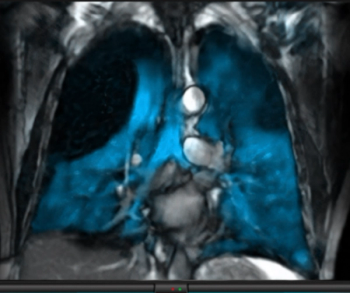
An inhaled contrast agent used with magnetic resonance imaging (MRI), Xenoview™ (xenon Xe 129 hyperpolarized) reportedly provides regional mapping of lung ventilation without patient exposure to ionizing radiation.
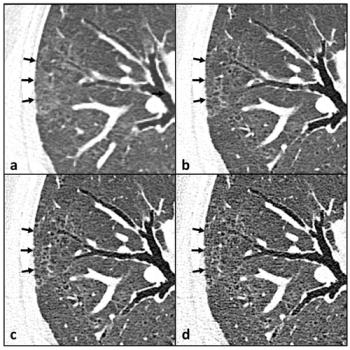
In a recently published prospective study comparing photon-counting detector computed tomography (PCD CT) versus energy-integrating detector CT (EID CT) in patients with persistent symptoms after COVID-19 infection, researchers found that PCD CT discovered additional lung abnormalities in half of the study participants.
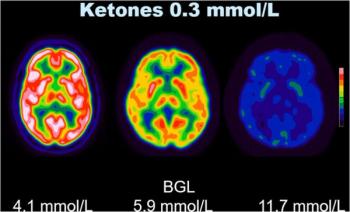
Emerging research suggests that a ketogenic diet reduces the uptake of 18F-fluorodeoxyglucose (18F-FDG) in brain positron emission tomography (PET) scans with a more pronounced effect in the precuneus.
In a video interview discussing one of her recent lectures at the Radiological Society for North America (RSNA) conference, Nina Kottler, M.D., M.S., noted how the combination of artificial intelligence (AI) and radiologist experience can help mitigate bias limitations with the development of AI algorithms as well as educational biases inherent to a radiologist’s training and experience.
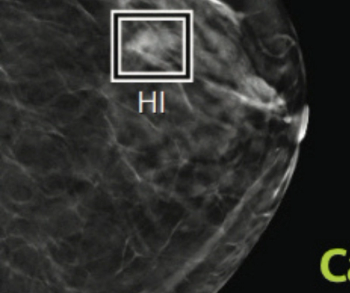
The artificial intelligence (AI) software Saige-Density™ reportedly provides automated assessment of breast density during mammography exams.
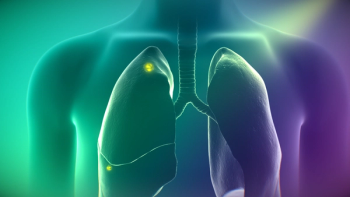
Reportedly the first targeted molecular imaging agent to provide intraoperative illumination of lung cancer, Cytalux (pafolacianine) helped identify clinically significant events in more than 50 percent of patients undergoing surgery for confirmed or suspected pulmonary nodules, according to Phase 3 trial data presented earlier this year at the American Association for Thoracic Surgery Annual Meeting.
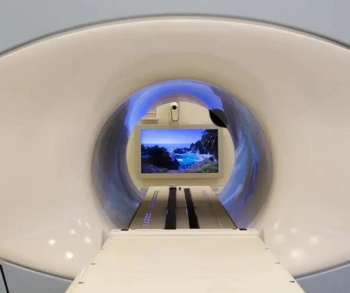
In addition to summary sensitivity and specificity of 92 percent and 91 percent respectively for characterization of indeterminate adnexal lesions, the meta-analysis on pelvic magnetic resonance imaging (MRI) revealed higher summary malignancy rates for O-RADS MRI 4 and 5 lesions than predicted.
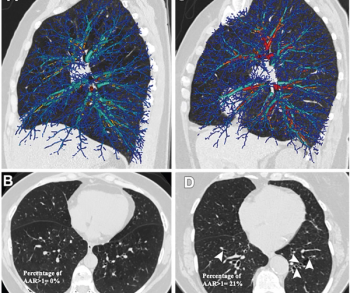
Employing an artificial intelligence (AI) tool to quantify airway-to-artery (AAR) diameter ratios on chest computed tomography (CT), researchers found the percentage of airways with an AAR greater than 1 was associated with increased pulmonary exacerbations in ever-smokers.
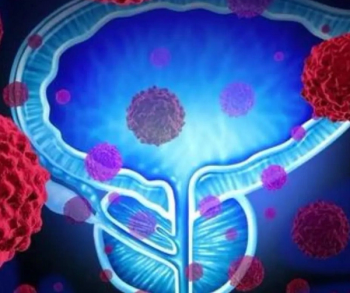
In a study of nearly 18,000 men who had prostate cancer screening, researchers found the use of pre-biopsy magnetic resonance imaging (MRI) for those with elevated prostate-specific antigen (PSA) levels and reserving MRI-targeted biopsy for those with PI-RADS scores of 3 to 5 reduced the risk of detecting clinically insignificant cancers by half.

In a recent video interview from the Radiological Society of North America (RSNA) conference, Tessa Cook, MD, PhD discussed new research on automated de-identification in radiology reports and the potential of artificial intelligence (AI) and natural language processing (NLP) to help address time-consuming challenges in the radiology workflow.
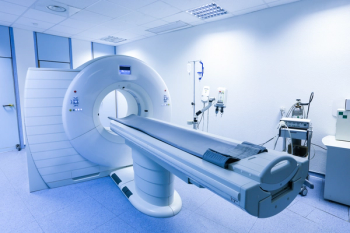
In a new study based on five- to six-year follow-up data from over 650,000 children and young adults who had at least one computed tomography (CT) exam prior to the age of 22, researchers found a “strong dose-response relationship” between increased CT radiation exposure and brain cancer.
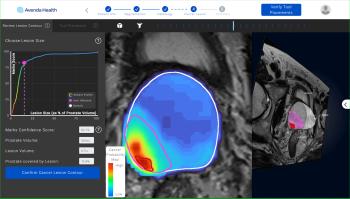
The Food and Drug Administration has granted 510(k) clearance to iQuest (Avenda Health), an artificial intelligence (AI) platform that combines findings from magnetic resonance imaging (MRI), pathology reports and biopsy results to facilitate three-dimensional mapping of prostate cancer.
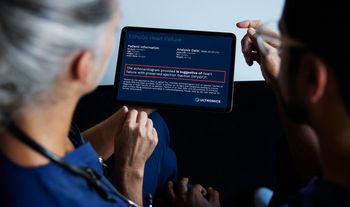
The EchoGo® Heart Failure device reportedly has an 87.8 percent sensitivity rate and an 83 percent specificity rate for diagnosing heart failure with preserved ejection fraction, an increasingly prevalent but frequently misdiagnosed condition.
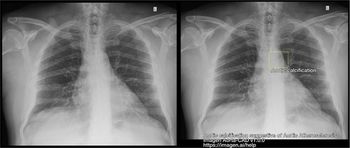
One study showed use of the Aorta-CAD cloud-based software led to a 62 percent reduction of missed aortic calcification that suggested aortic atherosclerosis.
For patients recently diagnosed with prostate cancer, the emerging positron emission tomography (PET) agent 18F-rhPSMA-7.3 reportedly has a 96 percent specificity rate for detecting pelvic lymph node metastases, according to Phase 3 study results recently presented at the 22nd Annual Scientific Meeting of the Society of Urologic Oncology (SUO).
In a recent video interview, Susan Holley, MD discussed key findings from a large retrospective longitudinal study, presented at the recent Radiological Society of North America (RSNA) conference, which found that an emerging artificial intelligence (AI) model was over 24 percent more consistent than radiologist assessment of breast density.
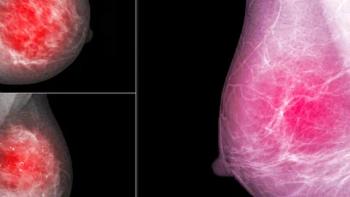
In a recent lecture at the Radiological Society of North America (RSNA) conference, Wendy DeMartini, MD, discussed a variety of preliminary proposed changes to the Breast Imaging Reporting and Data System (BI-RADS) for breast magnetic resonance imaging (MRI) examinations.

In a recent video interview, Raymond Y. Kwong, MD, discussed his clinical experience with the Vista.ai (formerly HeartVista) One Click MRI software and recent research, presented at the Radiological Society of North America (RSNA) conference, that revealed a 31 percent decrease in cardiac MRI scan times for patients with cardiomyopathy or structural heart disease.
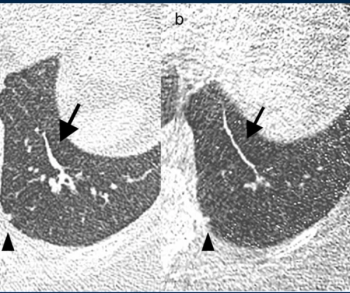
Ultra-low-dose computed tomography (ULDCT) may have similar efficacy as low-dose CT (LDCT) for detecting a variety of pulmonary conditions in people with current or past smoking histories, but had poor detection of ground glass opacification lesions, according to a recent prospective study presented at the Radiological Society of North America (RSNA) conference.