

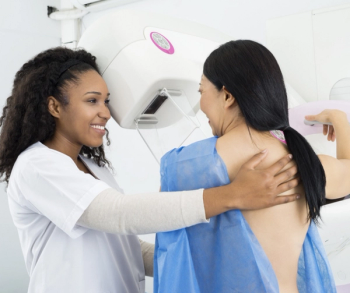
In a recent survey of nearly 2,000 women in their 40s who had no history of breast cancer, researchers found that over 38 percent of survey respondents said they had no reason to get a mammogram or had never thought about it.
Senior Editor, Diagnostic Imaging
In a recent survey of nearly 2,000 women in their 40s who had no history of breast cancer, researchers found that over 38 percent of survey respondents said they had no reason to get a mammogram or had never thought about it.
With ongoing gaps in mammography screening and patient anxiety that often accompanies screening exams and a possible diagnosis of breast cancer, patient education is critical. Accordingly, in a recent video interview, Amy K. Patel, M.D., discussed the potential impact of new patient-oriented breast cancer screening guidelines from the National Comprehensive Cancer Network.
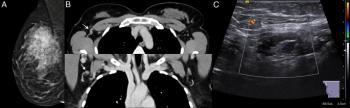
The combination of magnetic resonance imaging (MRI) and computed tomography (CT) had a 63.83 percent sensitivity rate for tumor-infiltrated axillary lymph nodes in patients with breast cancer in comparison to a 36.11 percent sensitivity rate for the combination of mammography and sonography.
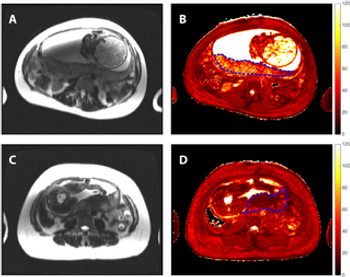
Emerging research suggests a robust association between pregnancy outcomes and placental measurements assessed via blood oxygen-level dependent magnetic resonance imaging (BOLD-MRI).
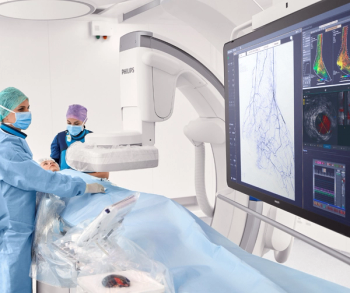
Published by the American College of Cardiology, the expert recommendations offer insights on the role of intravascular ultrasound for diagnosing and treating peripheral vascular disease in the lower extremity.
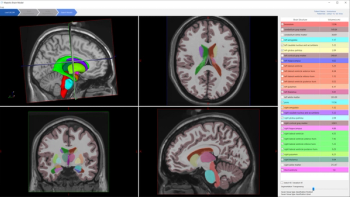
The Maestro Brain Model reportedly provides automated identification, quantification and labeling of brain structures on magnetic resonance imaging (MRI).

In a new study, researchers examined trends with diversity in the radiology workforce, offering a closer look at the gender, race and ethnic makeup of radiology residency programs and academic faculty.
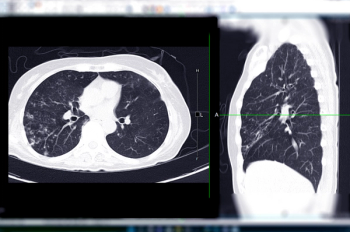
While recent recommendations from the United States Preventive Services Task Force (USPSTF) to lower lung cancer screening thresholds significantly expanded eligibility for screening tests such as low-dose computed tomography (CT), differences in education, health-care insurance and proximity to health-care facilities continue to be key drivers of racial and socioeconomic disparities limiting access to appropriate preventive care.
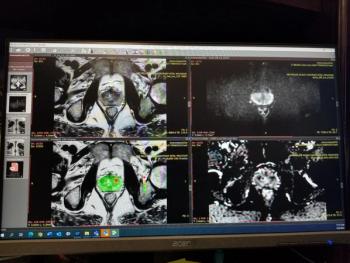
The ProstatID, an adjunctive artificial intelligence software that radiologists can utilize with traditional magnetic resonance imaging (MRI), reportedly measures prostate gland volume, and suggests PI-RADS scoring of suspicious lesions.
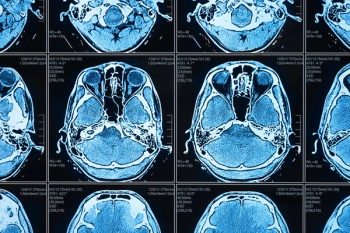
Researchers discuss key parameters for the assessment, implementation and post-implementation monitoring of emerging artificial intelligence (AI) tools in radiology practices large and small.

A recent study found the use of an alert and a request for more clinical information in a multisite health system’s electronic health record (EHR) system led to a 12 percent reduction in contrast-enhanced computed tomography (CT) exams per day and a 15.2 percent reduction in orders for CT with contrast media per day.
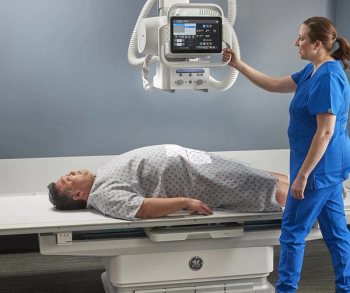
The Definium 656 HD fixed X-ray system reportedly features enhanced, artificial intelligence (AI)-driven image processing, facilitates radiology workflows, and reduces patient positioning time.
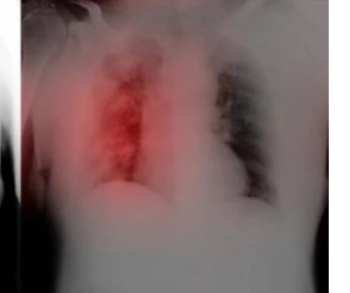
Preliminary research revealed an area under the curve (AUC) of 85 percent for an artificial intelligence (AI) algorithm in diagnosing COVID-19 on initial chest X-rays in comparison to a consensus 71 percent AUC for five radiologists.
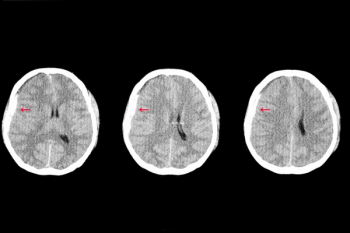
Viz.ai said the Viz Subdural Hematoma (SDH) artificial intelligence (AI) algorithm provides automatic detection of acute and chronic subdural hemorrhages, facilitating timely triage and treatment of patients.
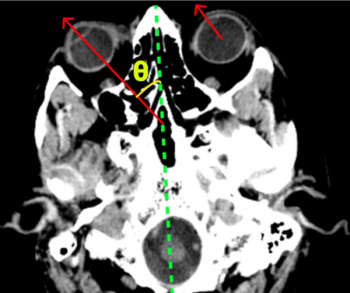
Artificial intelligence (AI) accurately diagnosed 79 percent of proximal large vessel occlusions with an ipsiversive gaze deviation on non-contrast computed tomography (CT), according to new research findings presented recently at the Society of Neurointerventional Surgery’s (SNIS) 19th Annual Meeting in Toronto.
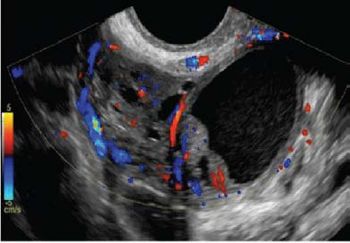
While the Ovarian-Adnexal Reporting and Data System ultrasound (O-RADS US) system provides a standardized and validated system for classification and risk stratification of ovarian and adnexal masses, a variety of clinical scenarios may prohibit or limit use of the system.
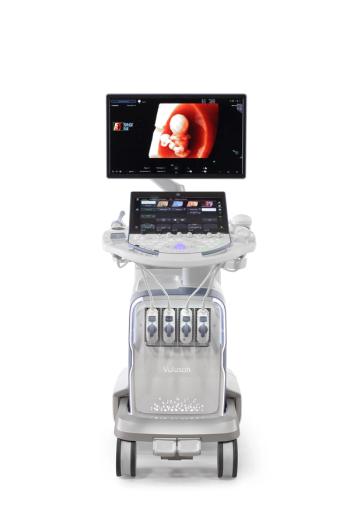
The next-generation ultrasound system reportedly offers enhanced images through graphic-based beamforming technology, a variety of artificial intelligence (AI)-powered tools and reduced exam times.
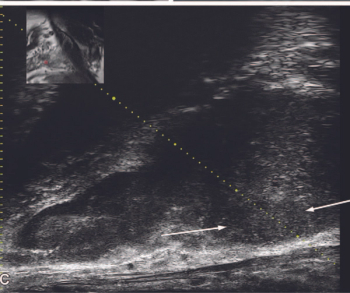
A recently published prospective study comparing multiparametric magnetic resonance imaging (MRI) and micro-ultrasound found similar detection rates for prostate cancer.
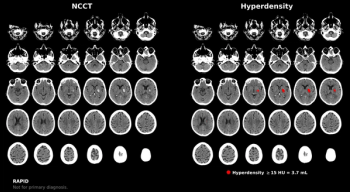
RapidAI’s Rapid Hyperdensity tool reportedly allows quicker assessment of hyperdense tissue in the brain via non-contrast computed tomography (CT) scans.
In a video interview, Morris Panner, the president of Intelerad Medical Systems, discussed key observations from the recent Society for Imaging Informatics in Medicine (SIIM) conference, recent research about artificial intelligence (AI) adoption and emerging goals for enhancing the efficiency of radiology workflows.
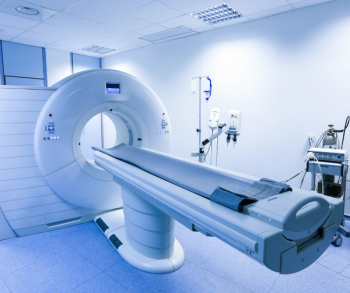
The Food and Drug Administration (FDA) has given the green light to Bayer to import foreign-labeled iopromide (Ultravist) to help alleviate ongoing supply challenges with iodinated contrast media in the United States.
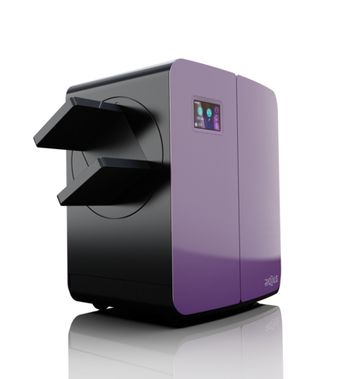
Offering images of high spatial resolution and a small system footprint, the new positron emission tomography (PET) modality from Radialis may facilitate enhanced imaging of emerging radiotracer agents and key biomarkers in targeted organs.
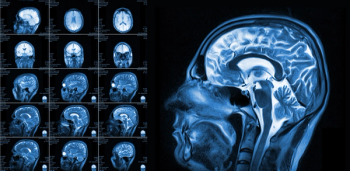
Utilizing susceptibility-weighted magnetic resonance imaging (MRI) in a study involving over 20,700 people, researchers found that drinking more than seven units (56 grams) of alcohol a week led to a higher accumulation of brain iron, which can trigger cognitive decline.
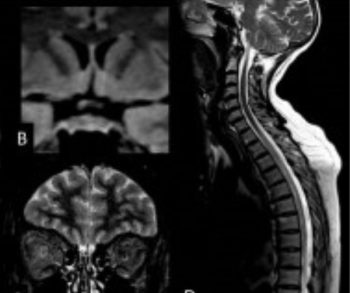
In an award-winning presentation at the European Congress of Radiology (ECR), researchers from the Hospital Universitario Basurto in Spain reviewed key neuroimaging findings on magnetic resonance imaging (MRI) for a variety of inflammatory lesions of the brain stem.

Women who had enhancing lesions associated with low-energy findings were more than twice as likely to have malignancy in comparison to those who had enhancing lesions without low-energy findings.
In a video interview, Jonathan Dillman, MD, MSc discussed a recently published statement from the American College of Radiology (ACR) that questioned the literature support for a March guidance from the Food and Drug Administration (FDA) about thyroid monitoring for children three years of age or younger within three weeks of exposure to iodinated contrast media (ICM).
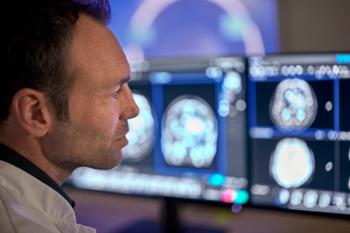
The artificial intelligence (AI) capabilities of the new software reportedly facilitate scanning times that are three times faster than conventional magnetic resonance image (MRI) scanners.
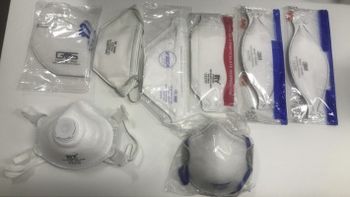
In their testing of eight commercially available filtering face piece (FFP3) respirators commonly utilized during the COVID-19 pandemic, researchers deemed that five of the face masks that contained ferromagnetic materials were unsafe to use in and around magnetic resonance imaging (MRI) devices.
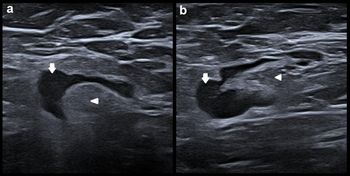
An updated machine learning model demonstrated a 23 percent improvement in accuracy and a 36.1 percent improvement in sensitivity over visual radiologist assessment of ultrasound images for differentiating malignant lymph nodes and benign COVID-19 vaccination-related changes to lymph nodes.
Magnetic resonance imaging (MRI) had better accuracy than prostate-specific membrane antigen (PSMA) positron emission tomography/computed tomography (PET/CT) “for detecting any grade of prostate cancer,” according to new study findings presented at the European Association of Urology Annual Congress (EAU22) in Amsterdam.