

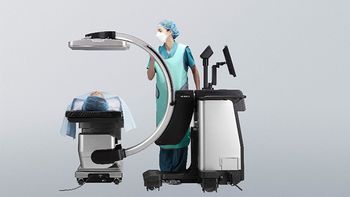
Designed for use in hospitals and ambulatory surgical centers, the FDR Cross may help improve workflows and efficiency for image-guided procedures.
Senior Editor, Diagnostic Imaging
Designed for use in hospitals and ambulatory surgical centers, the FDR Cross may help improve workflows and efficiency for image-guided procedures.
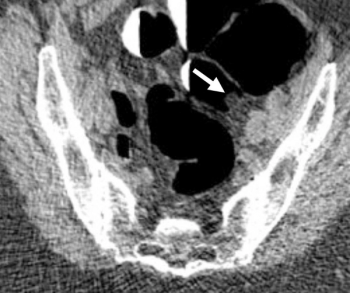
Citing “insufficient” evidence, the Centers for Medicare and Medicaid Services (CMS) has declined a formal request by the American College of Radiology and multiple patient advocacy groups to reevaluate the lack of Medicare and Medicaid coverage of computed tomography colonography (CTC) for colorectal cancer screening.

The new digital radiography series reportedly offers proprietary technologies that can preserve image quality and allow better control of X-ray dosage.
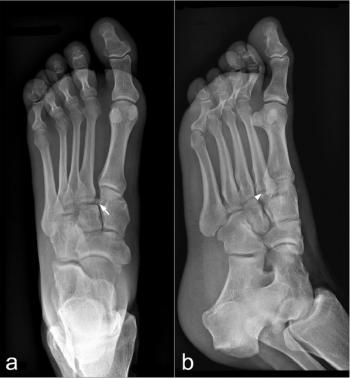
The study, involving 500 patients, showed that artificial intelligence (AI) assistance enhanced fracture diagnosis on radiographs and reduced reading time for radiologists of varying experience levels.
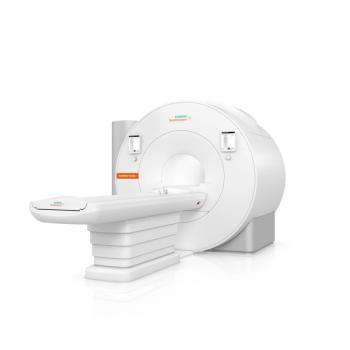
The new magnetic resonance imaging (MRI) device reportedly offers deep learning technologies and advanced processing of whole-body images in a cost-effective and lightweight model.

In recently issued statements, different radiology organizations have offered perspectives on the physician-patient relationship and the potential impact of the Supreme Court’s decision to overturn Roe v. Wade.
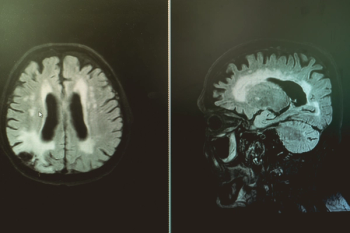
Emerging research with brain magnetic resonance imaging (MRI) scans shows that postmenopausal women have higher amounts of white matter hyperintensities that may lead to elevated risks for cognitive dysfunction and stroke.

The addition of Biodesix’s Nodify Lung nodule risk assessment tool to Philips’ lung cancer patient management system may enhance diagnostic efficiency and facilitate improved management of high-risk patients.
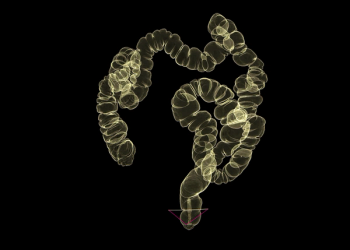
In a large study looking at the use of colorectal cancer screening techniques (including computed tomography (CT) colonography) between 2000 and 2018, researchers found that the 50 to 54 age group had the lowest increases in screening and a significantly higher chasm of racial and socioeconomic disparities in comparison to other age groups.

Calantric™ Digital Solutions reportedly offers artificial intelligence (AI)-powered apps, bolsters lesion detection, facilitates triage priorities and enhances workflow efficiency.

In a recent video interview, neurologist Pardis Zarifkar, MD discussed a new study that found significantly elevated risks for Alzheimer’s disease and Parkinson’s disease among patients who tested positive for COVID-19.
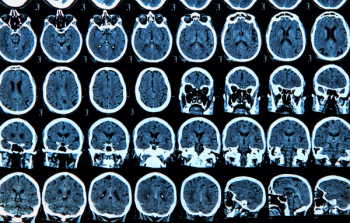
Emerging research showed that patients with COVID-19 had 3.5 times the risk for developing Alzheimer’s disease and 2.6 times the risk for Parkinson’s disease in comparison to those who did not have COVID-19.
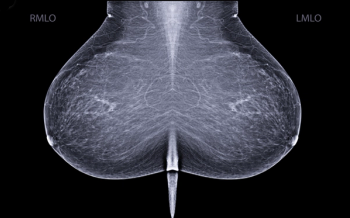
The review of breast cancer screening guidelines from the United States and abroad summarized current recommendations on modalities, intervals, and screening age considerations.
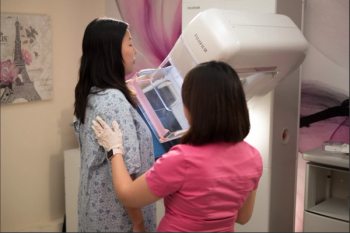
Forty-eight percent of Asian women, 43.3 percent of Black women and 42.8 percent of Hispanic women did not have a biopsy 30 days after abnormal findings on mammography, according to newly published research.

New research suggests that an emerging predictive biomarker, derived from a combination of magnetic resonance imaging (MRI) brain scans and a machine learning algorithm, has significantly greater accuracy than previously established measurements for diagnosing Alzheimer’s disease.

In a recent video interview, abdominal radiologist Sonia Gupta, MD discussed key principles in assessing potential alliances with artificial intelligence (AI) vendors and the potential of AI to alleviate the time-consuming, administrative aspects of patient care.
Despite increased use of preoperative magnetic resonance imaging (MRI) in recent years for patients undergoing surgery for prostate cancer, a study found that over 70 percent of a large Medicare population with prostate cancer did not have a preoperative MRI scan as of 2015.
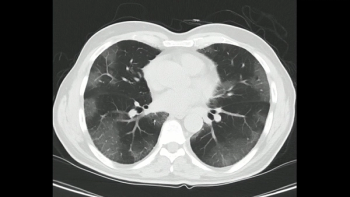
Noting that an AI software platform could save radiologists up to an hour a day in interpreting chest computed tomography (CT) scans, the authors of a prospective study found shorter mean interpretation times with non-contrast and contrast-enhanced CT as well as positive CT scans with and without significant new findings.
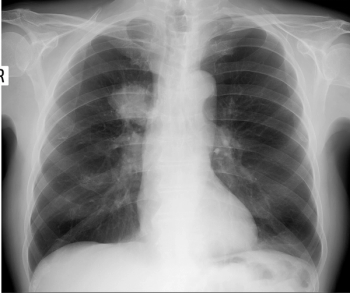
Emerging research shows a 14.5 percent increase among African Americans getting screened for lung cancer, which may be attributable to the United States Preventive Services Taskforce (USPSTF) lowering the minimum screening age to 50 and decreasing the smoking intensity screening threshold from 30 pack years to 20 pack years in March 2021.
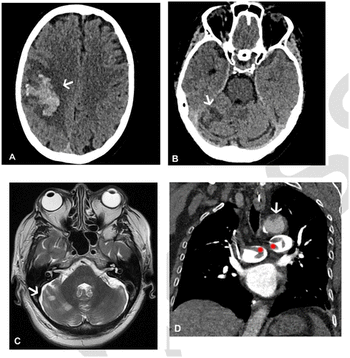
In what may be the largest study to date to examine the use of whole-body imaging to assess multisystem thrombosis in patients with COVID-19 vaccine-induced immune thrombotic thrombocytopenia, researchers found multiple sites of thrombosis in 83 percent of patients who had additional CT, MRI and/or ultrasound imaging beyond the area of their primary complaint.
In a recent video interview, interventional radiologist Lindsay Machan, MD, discussed his longtime work with selective salpingography and fallopian tube recanalization to assist women with infertility issues, and key findings from a new study that he recently presented at the Society of Interventional Radiology (SIR) conference.
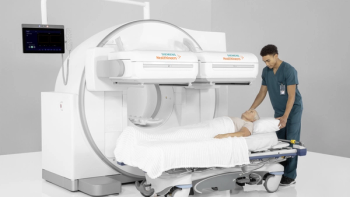
The newly FDA-cleared Symbia Pro.specta SPECT/CT Scanner, which reportedly offers a variety of enhanced capabilities including low-dose CT up to 64 slices and intuitive workflow guides, was launched at the Society of Nuclear Medicine and Molecular Imaging (SNMMI) 2022 Annual Meeting.

In what may be the first study to examine clinical and polysomnographic aspects of obstructive sleep apnea (OSA) and coronary microvascular disease (CMD), researchers said the frequency of OSA may be a significant factor in the development of heart disease and related complications.
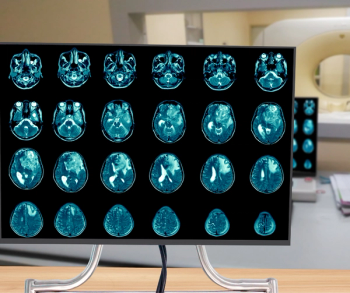
The deep learning model may offer enhanced sensitivity and specificity on MRI for patients with glioblastoma, according to preliminary research presented at the Society for Imaging Informatics in Medicine (SIIM) conference.
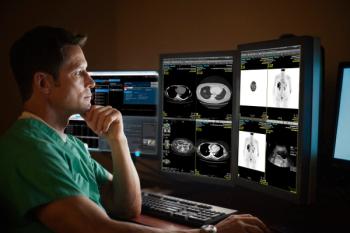
The new workload management system reportedly emphasizes predictive analytics to facilitate efficient workload distribution and increase reading capacity for radiologists.
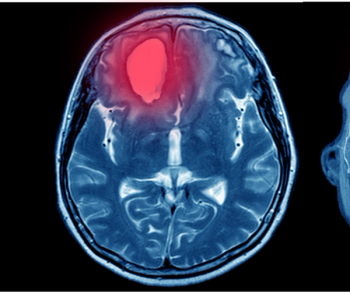
A 3D whole brain convolutional neural network could provide enhanced sensitivity and specificity for diagnosing intracranial hemorrhages on computed tomography, according to new research presented at the Society for Imaging Informatics in Medicine (SIIM) conference in Kissimmee, Fla.
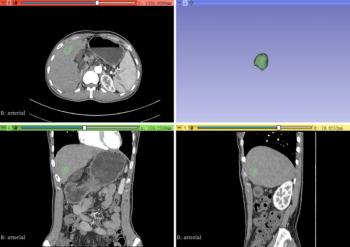
A new study showed that the computed tomography radiomics nomogram model had 21.7 percent higher accuracy, 16.7 percent higher sensitivity and 23.5 higher specificity in comparison to a clinical model in a validation cohort.
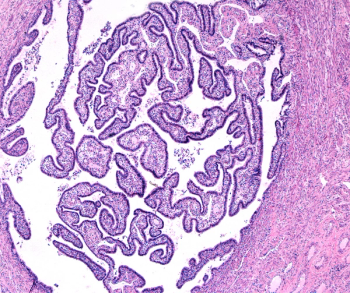
Selective salpingography may provide enhanced assessment of fallopian tubes and fallopian tube recanalization could be a viable alternative to facilitate natural conception, according to new research from the Department of Radiology at the University of British Columbia.
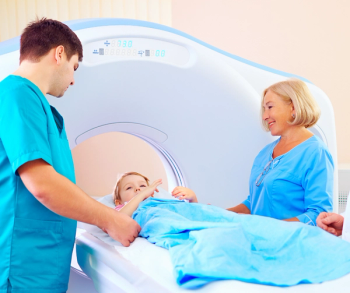
In a newly published statement, the American College of Radiology cited questionable literature support for the recent FDA guidance and noted potential consequences ranging from diagnosis delays due to parental anxiety about contrast-enhanced computed tomography (CECT) and increased health care costs.
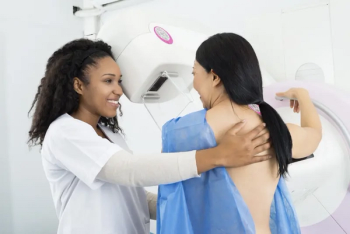
A new survey study from the American Cancer Society shows a 4.47 million decrease in cervical cancer screenings and a 2.13 million decrease in breast cancer screenings in the United States between 2018 and 2020.