

Among providers, including radiologists, who test positive for a sleep disorder, more than 90 percent have been undiagnosed and untreated.
Whitney J. Palmer has been with Diagnostic Imaging since 2011, serving as the Senior Editor since November 2019. She has 20 years experience in healthcare and academic medicine reporting.
Among providers, including radiologists, who test positive for a sleep disorder, more than 90 percent have been undiagnosed and untreated.

Here's what to expect this week on Diagnostic Imaging.
Imaging utilization has varied by socioeconomic factors during the COVID-19 outbreak.
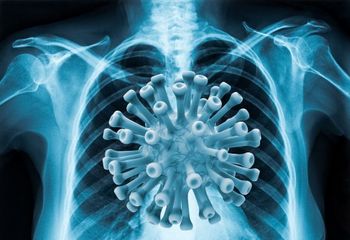
Ali Gholamrezanezhad, M.D., from the Keck School of Medicine, shares his COVID-19 insights after conducting more than three dozen studies.
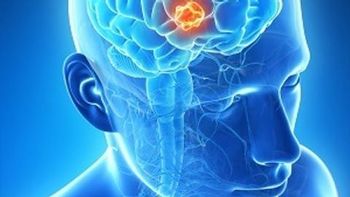
A convolutional neural network can accurately measure skeletal muscles, helping predict patient survival.
Breast Cancer Screening in Indian & Pakistani Women; Fluciclovine PET for Prostate Cancer Imaging; Cardiac Ultrasound & COVID-19; and Improving Mammography Patient Experience
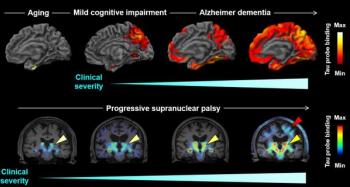
Modifying an existing imaging probe and labeling it with fluorine-18 improves providers’ ability to pinpoint protein accumulation – and differentiate between neurodegenerative conditions.

Study reveals favorable acute safety profile for macrocyclic gadolinium.

The scan, which is already part of the stroke management process, offers an opportunity for faster identification of patients with viral infection.

Research indicates patients who undergo a single 28-Gy session experience similar outcomes to those who have four 12-Gy sessions, pointing to safer, faster treatment.
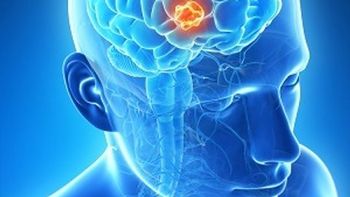
3D technique manipulates radio waves and magnetic fields used for MRI to significantly increase tumor visualization on contrast-enhanced images.
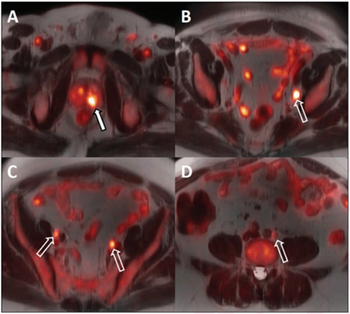
18F-fluciclovine PET/MRI can improve treatment guidance with better staging and evaluation of androgen deprivation therapy.

Adding the 18F radiotracer to MRI scans provides more detail, leading to better treatment planning and better disease-free survival rates in men with recurrent prostate cancer.
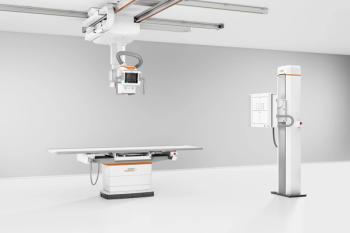
Ceiling-mounted system offers intelligent interface to guide technologists through exam.
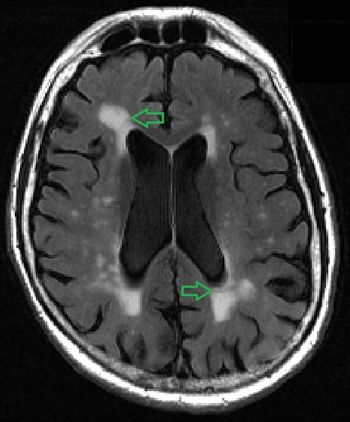
A tool that objectively measures the volume of white matter lesions can accurately pinpoint evidence of early dementia.

The modality is the only one that can be safely conducted at the bedside with patients on a ventilator.

Here's what to expect this week on Diagnostic Imaging.

More culturally relevant screening strategies could improve preventive healthcare in these groups.

Industry experts advocate for radiologists to opt for relying on artificial intelligence – rather than non-physician providers – for help with workflow and cost reduction.
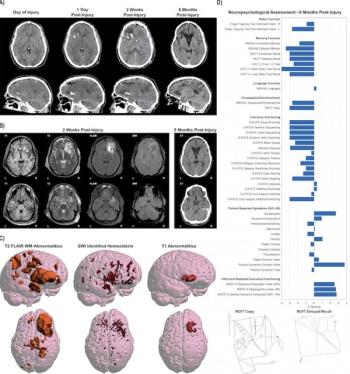
Worldwide effort will amass large datasets from institutions that can be used to identify long-term traumatic brain injury and augment therapies.

CMS pushes launch from January 2021 to July 2021.
Ultrasound as the New Stethoscope; Pre-Operative MRI and Dense Breasts; Spectral CT and COVID-19; Corporatization in Radiology
Researchers from China recommend disinfecting the air, alongside, sanitizing surfaces, to reduce exposures and transmission.
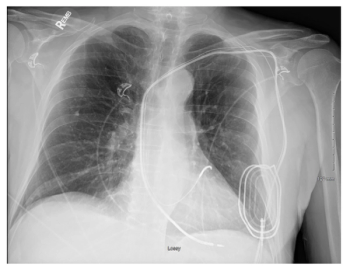
Study shows MRI exams can be safely performed with no adverse events in patients who have non-MR conditional devices, making the exams available for patients who frequently needs these studies the most.
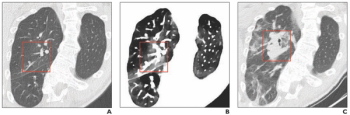
Spectral CT provides greater detail about the extent of ground-glass opacities than conventional CT scans.
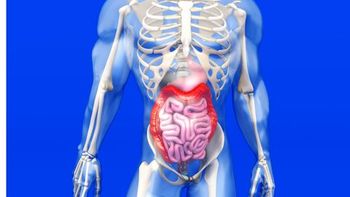
African American, as well as other racial and ethnic minority, patients likely have lower levels of CTC screening due to out-of-pocket costs.

Algorithm cleared to help radiologists analyze and segment prostate MRI.
MRI catches more malignant lesions in women with dense breasts who undergo digital breast tomosynthesis than those who have digital mammography alone.
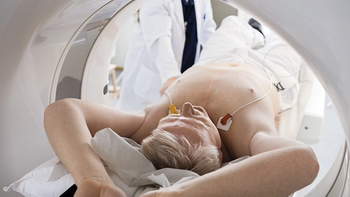
Training a neural network with images captured by dual-energy CT can produce high quality studies without the added dose or expense.
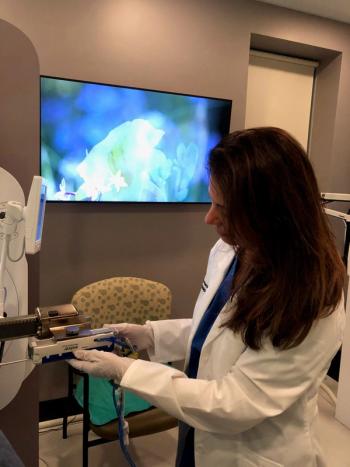
Serena Bright™ shortens time to biopsy results, a critical capability during the COVID-19 pandemic.