
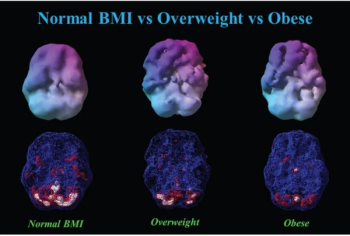
Thanks to COVID-19, CT was largely in the spotlight this year, but these Top 5 stories show advancements for the modality in other areas, as well.
Whitney J. Palmer has been with Diagnostic Imaging since 2011, serving as the Senior Editor since November 2019. She has 20 years experience in healthcare and academic medicine reporting.
Thanks to COVID-19, CT was largely in the spotlight this year, but these Top 5 stories show advancements for the modality in other areas, as well.
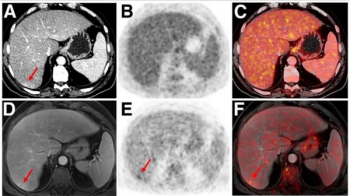
MRI reveals its wide utility this year, demonstrating improved performance in disease detection, as well as outperforming other modalities in providing clearer, more detailed images.

From imaging guidance to clinical presentations to disinfection procedures, coverage of all the work around COVID-19 this year gave the industry a great deal of insight into the pandemic.
They might not be used for diagnosis, but pay attention to -- and sharpen -- your non-interpretive skills. They can create a much better work environment.

Frost & Sullivan analysts offer their insights on how 2020 opened the door for greater telehealth functionality with ultrasound.

Imaging informatics can be an effective tool in meeting clinical needs, but it can also be a vehicle for increasing flexibility in radiology, says Carol Wu, M.D., RADxx Rising Star 2020 Awardee.
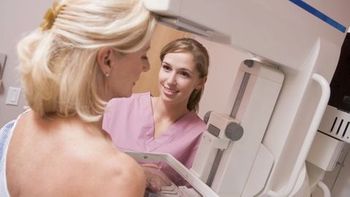
Study finds basing screening recommendations on age does not maximize the benefit – using different factors to design targeted testing would be better.

Providers must invest in more quality and safety education to mitigate these risks and reduce error rates.

Here's what to expect this week on Diagnostic Imaging.
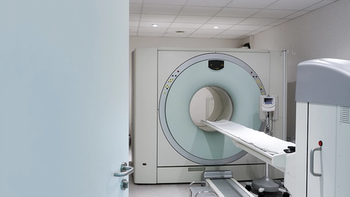
From a central role in the COVID-19 pandemic to artificial intelligence advancements, CT further secured its role as a valuable arrow in the radiologist’s quiver.
The RADxx 2020 Awardees share their hopes and insights from what the future of medical imaging informatics might look like.
An early analysis shows that low-dose CT screening for lung cancer has still not fully rebounded, leading to later detection of cancers.
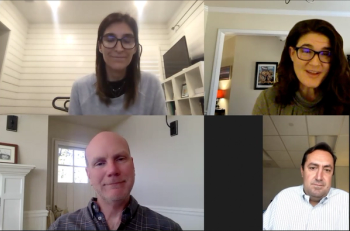
Diagnostic Imaging spoke with Radiology Partners Chairman and CEO Rich Whitney, Associate CMO Nina Kottler, M.D., and MEDNAX Radiology Solutions CMO Ricardo Cury, M.D., about this newly finalized partnership, what it means for the companies, and how it could impact the industry.

As a nutrient the body needs and already processes well, manganese can be an effective alternative as a contrast agent for these scans.

Cybersecurity report finds millions of medical images, including X-rays and CTs, can be accessed worldwide without hacking tools.
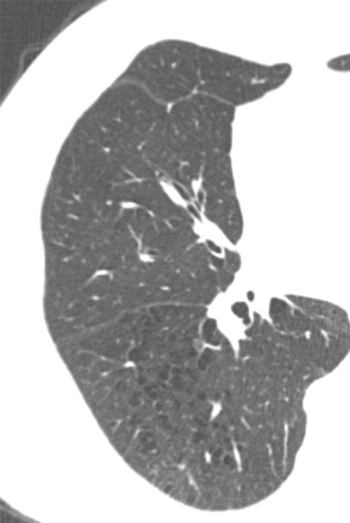
Visual emphysema CT patterns at baseline can help providers determine how the condition will advance in both current and former smokers.
Whenever possible, seize the chance to open more doors for women to contribute to the specialty, says Alexander Towbin, M.D., RadXX Advocate 2020 Awardee.

Brain regions that control memories and imagination are more tightly connected in people who get lonely.
The pandemic’s impact on sonographers was largely a boomerang effect, but some struggles remain.
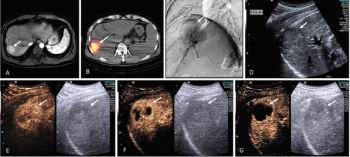
Popping microbubbles with ultrasound waves prompts greater radiation susceptibility, leading to lower tumor growth and better long-term patient outcomes.
Here's what to expect this week on Diagnostic Imaging.
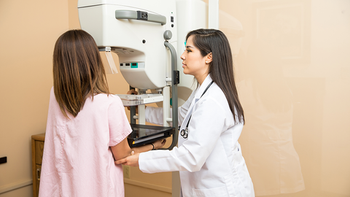
While the pandemic raged, work continued to advance the development of AI tools with breast imaging services.
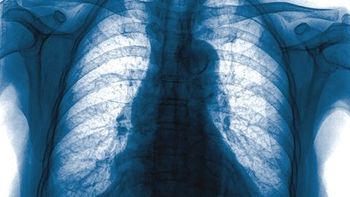
Using AI with these images significantly improves detection rates, working as a second reader to improve provider performance.
The December 2020 Diagnostic Imaging eBook.
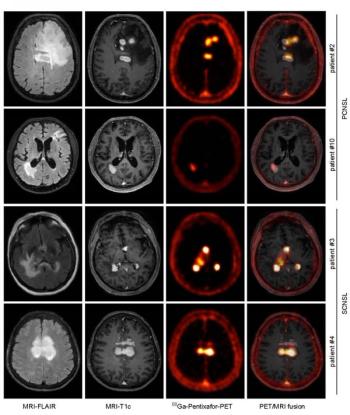
68Ga-pentixafor can clearly distinguish between healthy and malignant tissue on both CT and MRI scans.
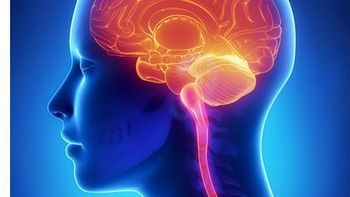
American College of Radiology/Alzheimer’s Association study is now recruiting African American and Latino patients to determine whether amyloid PET scans can help with more accurate diagnosis and treatment decisions.
A desire to shape and help healthcare organizations direct their imaging informatics strategy is what drives award-winner Cheryl Petersilge, M.D., founder and chief executive officer of consulting firm Vidagos.
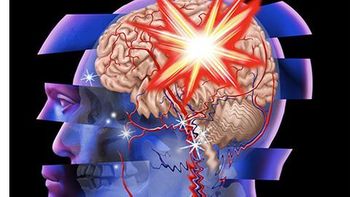
A combination of acoustic imaging methods and algorithms offers a better method to explore the brain’s gray and white matter.
Providers can use scans to score a patient’s lung health, potentially identifying which patients will fare worse from the virus, requiring more extensive treatment.

With a newly developed segmenting method, it is possible to configure large amounts of data from various imaging datasets automatically and with little expertise.