

A group of nearly 100 healthcare and scientific professional organizations urged the FDA to proceed with caution, only approving a vaccine that meets safety and efficacy standards.
Whitney J. Palmer has been with Diagnostic Imaging since 2011, serving as the Senior Editor since November 2019. She has 20 years experience in healthcare and academic medicine reporting.
A group of nearly 100 healthcare and scientific professional organizations urged the FDA to proceed with caution, only approving a vaccine that meets safety and efficacy standards.
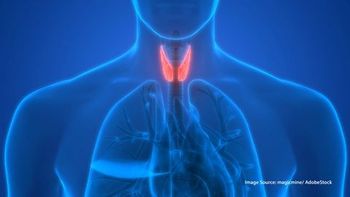
States with expanded coverage saw an increase in cancer diagnosis for covered adults, as well as the overall population.

Findings captured during emergency scans intended to pinpoint stroke can reveal viral infection.
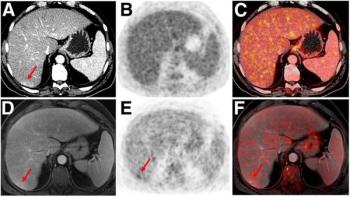
PET/MRI detects more lesions with less radiation, making it a great option for pediatric patients.

Rethinking CMR during COVID-19; Abdominal Imaging and COVID-19; Mental Health Impacts of COVID-19; African American and Lung Cancer Screening; Plus, African American Women and Disadvantages in Breast Cancer Screening

Minimally invasive ultrasound-guided carpal tunnel release offers faster and longer-term relief from carpal tunnel syndrome.
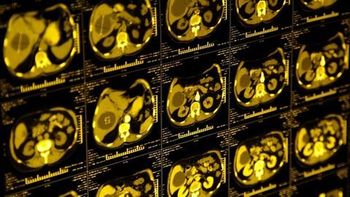
Low-dose CT scans could catch more cancers if the lung cancer screening threshold were dropped to a history of 20-pack-years.

Women treated with both surgery and radiotherapy for ductal carcinoma in situ fared best.

A group of cardiologists, imaging specialists, and general medicine providers offer a warning about using CMR with asymptomatic patients and entreat professional societies from radiology and other specialties to craft guidance on proper usage.
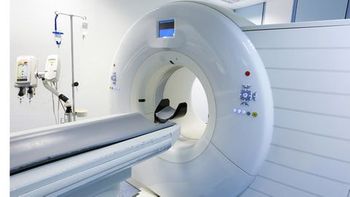
Nearly 20 percent of patients infected with the virus show up with gastrointestinal – but no respiratory – complaints.

Providers from all care environments report some level of mental health impact during the pandemic.
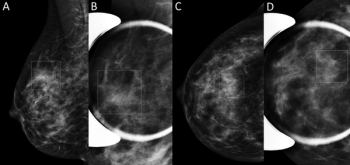
Combining DBT and synthetic mammography can mean less follow-up imaging for women with non-dense breasts – but not necessarily for women with dense tissue.
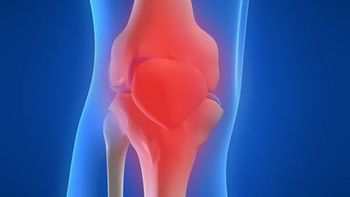
The Compressed SENSE MRI technique can reduce scan time by more than half without impacting image quality or diagnostic certainty.

Matthew Michela, president and chief executive officer of Life Image, discusses the role of data interoperability and accessibility during the pandemic.

Industry experts offer advice on specific steps radiology can take to bolster the understanding it adds value to clinical care.
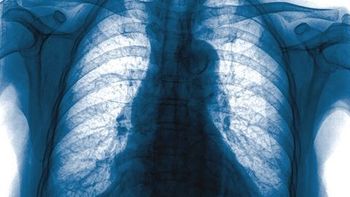
Bringing mobile X-ray into nursing homes shortens the experience for patients living with dementia, helping them feel safe and calm.

The ELITE series merges artificial intelligence and augmented processing capabilities.
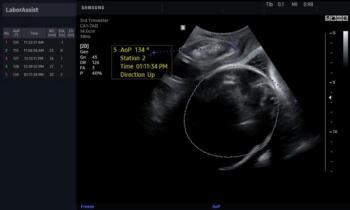
Ultrasound system provides obstetric measurements during labor in seconds, eliminating the need for digital vaginal exams and helping to side-step C-sections.

Merger, valued at $885 million, will bring together two of the nation’s largest radiology groups.
Scans identify evidence of the condition in 15 percent of athletes who have rebounded from viral infection.
Portable, Low-field MRI; COVID-19 and Cardiac MRI; High-Intensity Focused Ultrasound; Coronary CTA Guidance; and Pediatric Advanced Imaging Utilization

A decision tree-based machine learning algorithm can help departments identify and contact patients at highest risk for skipping appointments.
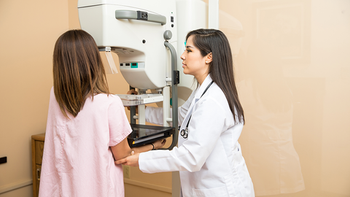
A model that includes mammographic features, lifestyle factors, and genetic-based risk prediction scores can effectively pinpoint which women will likely receive an interval cancer diagnosis.
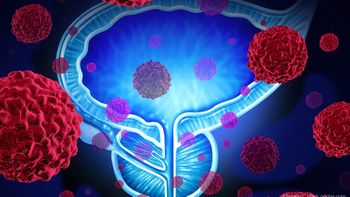
Study shows targeted therapy can effectively control prostate cancer, helping men avoid surgery or radiation, as well as significant side effects.

Researchers endeavor to make thermography a strong supplemental tool to mammography.

The Society of Nuclear Medicine & Molecular Imaging released new recommendations for performing these studies during the pandemic.

Point-of-care, 64mT MRI performs as well as conventional CT and MRI while improving patient safety.

Nearly half of radiology research now secures funding, but financial support – or lack thereof – does not seem to determine impact or influence in the field.

For medical students interested in radiology residency programs, opening a Twitter account can provide critical resources and guidance.
This clearance applies to lung and cardiac imaging in patients with viral infection.