

This AI tool is designed to work independently, dividing scans between those that need no radiologist assessment and those that require further interpretation.
Whitney J. Palmer has been with Diagnostic Imaging since 2011, serving as the Senior Editor since November 2019. She has 20 years experience in healthcare and academic medicine reporting.
This AI tool is designed to work independently, dividing scans between those that need no radiologist assessment and those that require further interpretation.
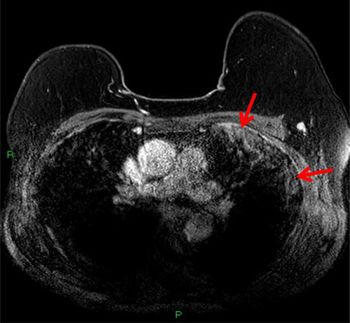
A follow-up breast screening MRI ended with a woman from England being treated for viral infection.

Chest CT for COVID-19 Diagnosis; COVID-19 Neuroimaging Patterns; Radiologist COVID-19 Stress; Accelerated MRI NYU Langone Health and Facebook AI Partnership

By capturing changes to the hippocampus, MRE can pinpoint brain damage early before epilepsy becomes medication resistant.
Treatment offers pain relief without the added exposure of radiation therapy.
CT use has declined precipitously with pediatric appendicitis patients without a significant change in negative appendectomy rates.

Nationwide survey reveals most radiologists report high anxiety and stress levels, as well as challenges to coping.

Findings from a French study contradict recommendations from the American College of Radiology and the international community against using chest CT scans an initial tool for viral diagnosis.

PET/CT brain scans of the enzyme aromatase could help providers pinpoint which patients will struggle with obesity and self-regulation.

Dr. Laurence Klotz discusses micro-ultrasound as a faster, less invasive, more cost-effective screening strategy compared to mpMRI in this podcast.

Grassroots group points to substantial clinical evidence of safety in call for agency to remove the warning.

Cerebral infarction and hemorrhage are more common in severe cases while cranial nerve abnormalities affect patients with milder disease.
Guidelines outlining appropriate and inappropriate use scenarios has led to a significant decline in PICC line placement, particularly among interventional radiologists.
SpaceStation MRI protects infusion pumps from magnetic fields, allowing for uninterrupted delivery of medication during imaging.

A combination of structured reporting and an automated reporting template can bring errors with these scans down to zero.
The test could not only accelerate diagnosis, but it could also reduce costs for the patient.
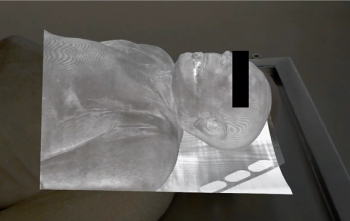
Augmented reality headsets produce both better post-test scores and understanding in head and neck anatomy training.

Artificial intelligence equivalency in breast cancer screening; diffusion-weighted imaging and breast MRI; CT patterns for EVALI; Emergency Department and CT Scan Declines with COVID-19; and Thoracic Imaging Findings of MIS-C.

Artificial intelligence algorithm can identify the same percentage of women with breast cancer as most radiologists.
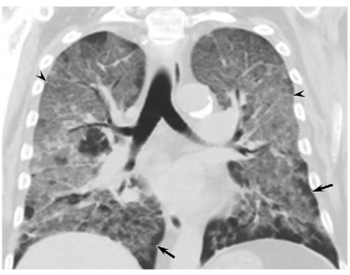
Identified patterns can be used to make more accurate diagnoses and, potentially, avoid unnecessary biopsies.

The dual-layer platform can identify malicious instructions from a host computer.

Three-way comparison shows alternative protocols to standard echo-planar imaging can produce higher quality images with breast cancer screening.

Onvision is designed to increase accuracy of needle placement during peripheral nerve blocks.

Past RBMA President Christie James, American College of Radiology Commission on Economics Chair Greg Nicola, M.D., and Revenue Cycle Coding Strategies President Melody Mulaik discuss the radiology revenue cycle management challenges and solutions of the pandemic.
Drops in emergency department use and referrals for abdominal CTs have led to worsening prognoses for patients with abdominal pain.

Ultrasound is an effective follow-up strategy for masses pinpointed with DBT, potentially side-stepping the need for digital mammography and lower radiation exposure.
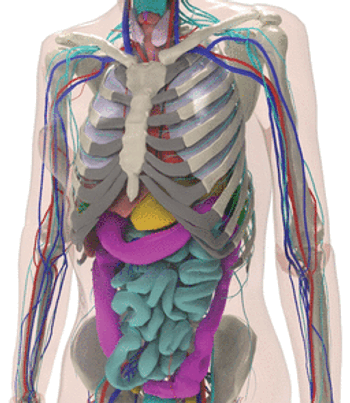
Virtual simulation models can help identify the best ways to use different modalities to improve patient care during the pandemic.
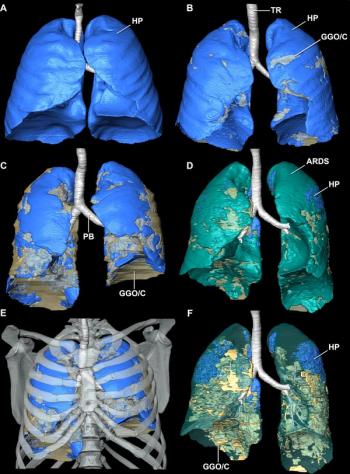
Radiologists have teamed up with evolutionary anatomy scientists, using methods that investigate bird and reptile lungs, to better visualize viral infection in people.

CT and heart attack prediction; lagging outpatient imaging volume recovery; equivalent thoracic MRI performance with COVID-19 pneumonia; and CT colonography during COVID-19

eConsults between primary care providers and radiologists can not only alter patient management, but they can also lower costs and reduce unnecessary imaging.