
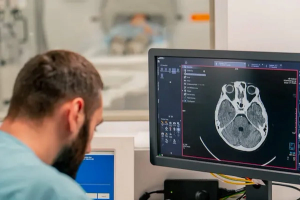

How many lives have you changed, one scan at a time?
How many lives have you changed, one scan at a time?

Four challenges are preventing more institutions from implementing remote reading.
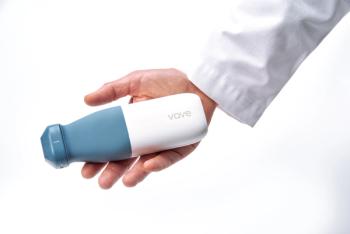
A partnership between one medical school and an ultrasound manufacturer is intended to re-design how students learn.
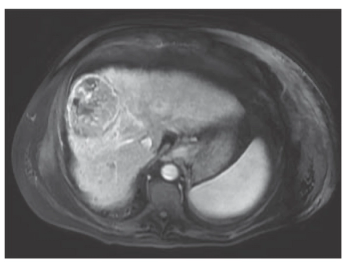
Mistakes highlight the need for more sub-specialty reads with MRI, particularly abdominal and pelvic scans.
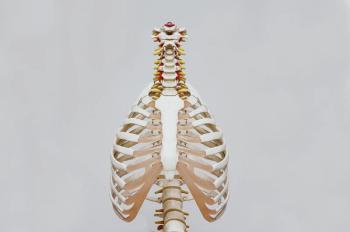
The strategy could be a less expensive alternative to CT when evaluating pulmonary fibrosis and pulmonary edema.
Opposition to AI in Mammography; Alzheimer's Disease and Vascular Dysfunction; Clear & Present Danger for The Match; Trends & Innovations in Breast Imaging
Cases drafted by radiology extenders saved attending radiologists nearly one hour a day.
In this podcast, Dr. Anupam Basu from Cook County Health in Chicago discusses the 30-pack-year threshold for lung cancer screening that overlooks at-risk African American smokers.
Delays in the diagnosis and treatment of breast cancer have led to the creation of multidisciplinary recommendations for breast cancer care during the COVID-19 pandemic.
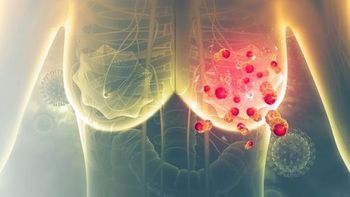
More than three-quarters of women prefer a radiologist to be involved with reading their screening studies.
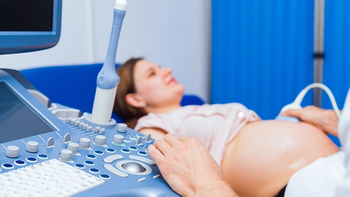
Late pregnancy scans cannot reliably predict one of the most common delivery complications.
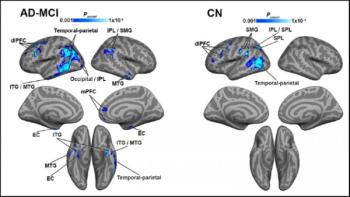
As Alzheimer’s disease progresses, more brain regions exhibit evidence of this link.

A new platform could give medical students a greater likelihood of matching with their preferred residency program during a time when some programs are seeing record applications.

Collaborative Imaging’s Dhruv Chopra, MBA, takes a deeper look into how many follow-up recommendations are ignored and what can be done to reverse the trend, leading to better patient care.
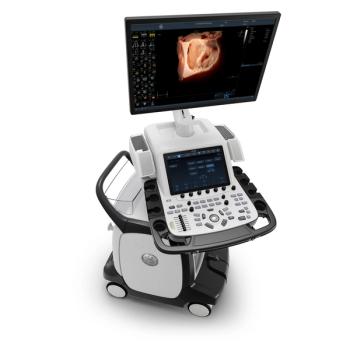
New system incorporates artificial intelligence features intended to truncate exam time and create more consistently repeatable exams.

What to expect this week on Diagnostic Imaging.

As the price tag of cyberattacks on healthcare continues to rise, radiology looks to bolster its defenses.

Penn Medicine is dedicated to improving artificial intelligence to address radiology needs in individual institutions worldwide, both improving performance and patient outcomes.

Taking time to ask questions – instead of announcing mandates – can be far more effective.
Zero evidence of SARS-CoV-2 virus in a radiation oncology clinic shows disinfection policies are working.

Dr. Summer Kaplan discusses strategies to design quality improvements projects in emergency radiology and the challenges that exist to proper implementation. She shared her insights during the American Society of Emergency Radiology 2020 annual meeting.
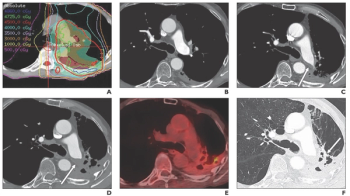
Pulmonary artery thrombosis presents differently from acute pulmonary embolism on CT scans.
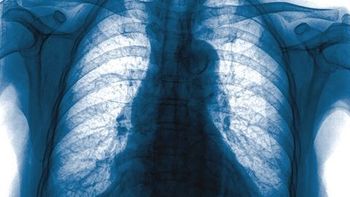
A well-trained algorithm can read chest X-rays as well as third-year residents, opening the door for more streamlined workflow and cost savings.
SARS-CoV-2 virus found inside CT scanner used on high volume of patients with viral infection.
Dual-Energy CT's Impact in the Emergency Department; Mass Casualty Planning; Language Barriers to Mammography for Spanish-Only Speakers; Improving the Patient Experience for Mammography During the Pandemic
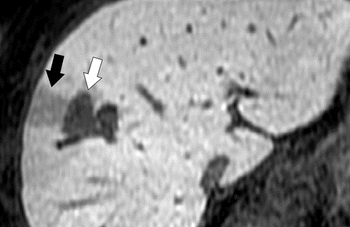
Results indicate radiologic findings are better survival predictors than pathologic vessel invasion.

Researchers offer several tips to help imaging facilities maximize their cybersecurity.
Three tips to help you limit dose exposure and optimize imaging protocols.

A new technology overcomes the challenges to cardiac imaging presented by spontaneous fetal movement.
Australian data reveals mpMRIp significantly decreases the need for prostate biopsies and controls healthcare spending.