

Lessons that should have been part of radiology residency.
Lessons that should have been part of radiology residency.

It's never too early to get into radiology.
Kubtec’s newly approved breast specimen radiography system is the first and only system with tomosynthesis technology, Kubtec announced.

Like radiology practices hire practice management groups, the government should hire Disney.
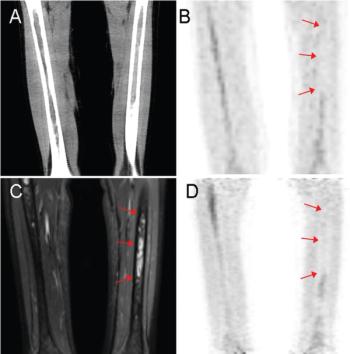
PET/MRI offers equal detection rates of solid tumors among children as does PET/CT, with lower radiation doses.

Study examines ASIR effect on normal and overweight children who underwent chest CT.
Study evaluates whether LDCT lung cancer screening is equally beneficial for younger and older patients.
Using PET/CT in women under 40 who have breast cancer may result in restaging of the cancer and adjustment of treatment.
Breast density can be measured using fully automated volumetric methods, which are less labor intensive than the commonly used methods.

Why more radiologists are prolonging their training and delaying employment.
Cone-beam CT is preferential to multislice spiral CT for hard-contrast objects, study says.

Where did tomosynthesis come from and where is it going? Here, a tomosynthesis pioneer discusses its evolution.

NCCN Group 2 high-risk patients to benefit from CT lung screening, study says.

EMR vendors threaten the cardiology imaging informatics field.
A twist for positioning patients.

A radiologist longs for the “mom and pop” days of healthcare.

Other states are expected to adopt variations of California’s radiation safety law, but is the law really protecting patients?
[INFOGRAPHIC] With medical school debt, fewer and lower paying jobs, and a general dark cloud around the field, how are radiologists faring?
Imaging can detect changes in white matter among children with reading difficulties.
The 16-slice CT scanner is expected to appeal to facilities due to a more affordable price point, Siemens said.
Radiology and cardiology informatics vendors are less concerned with interoperability in the U.S.

Based on a true story: the radiologists never saw it coming.

An argument that Moore’s law is at work in medical imaging.
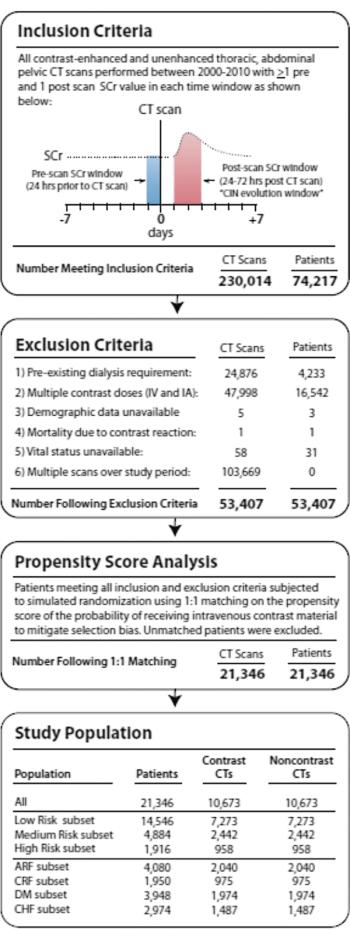
Intravenous contrast material for CT appears to be safe for most patients, including those with a predisposition to nephrotoxicity.
The reason for performing a breast MRI should be taken into consideration when assessing performance measures.
Low-dose CT screening can help clinicians detect early cancers among survivors of Hodgkin lymphoma, particularly if they were or are smokers.
CT images reconstructed with low dose model-based iterative reconstruction did not compromise image quality.
States found to have a high percentage of people at risk for lung cancer do not have an adequate number of LDCT screening centers.
Radiologists and other physicians have been taught to practice defensive medicine.
Tips for radiology leaders on whether a PACS or VNA system is best for their facility’s needs.