


A program presented at HIMSS 2015 highlights the value of decision support for appropriateness in imaging.
A program presented at HIMSS 2015 highlights the value of decision support for appropriateness in imaging.

Could the next generation of radiology reports require multimedia?

A look at the SGR-repeal bill.
Weighing the costs of breast cancer screening and the economic impact of false positives.
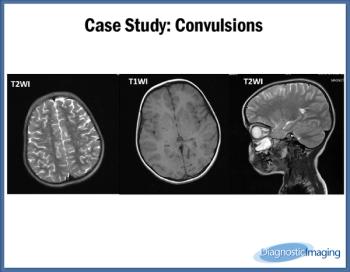
Case History: 7-year-old female with complaints of convulsions for one year.
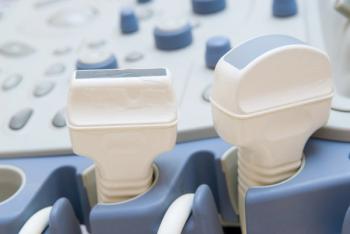
Cardiac and abdominal imaging performed by residents using a pocket-size ultrasound increases diagnostic accuracy.

Manual entry of CT dose reporting makes it highly susceptible to inaccurate information.
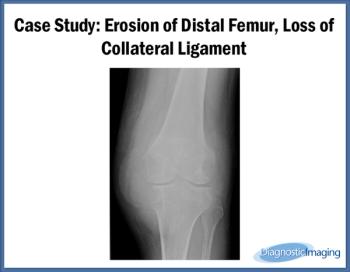
Case History: 44-year-old male with history of left knee pain presents with erosion of the distal femur and loss of collateral ligament.

Follow-up LDCT screening for lung cancer decreases recall rates.
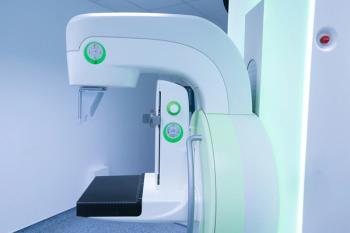
Full field digital mammography, performed instead of screen film mammography, finds fewer interval breast cancers.

Payments continue to shrink.
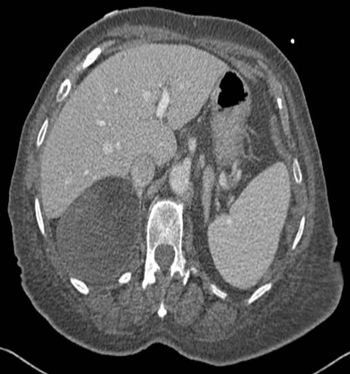
85-year-old male with history of aortic stenosis receiving contrast-enhanced CT for preoperative evaluation.
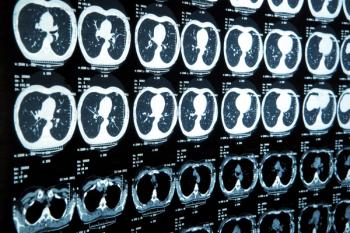
What is the radiologist’s role in communicating incidental findings to patients?
Patients with breast cancer and very low mammographic breast density have a poorer prognosis.

Fewer CT scans are needed for trauma patients when whole-body CT is included in early trauma care, but initial WBCT results in higher dose.

The FDA has approved EchoPixel’s True3D Viewer which converts anatomical data to 3D virtual reality images.
Supply and demand play big roles in radiology.

This just doesn't seem productive.

Itemized imaging reports are preferred in emergency radiology over point-and-click and basic structured reports.

A new, free, website provides comprehensive answers to complex questions about MRI.
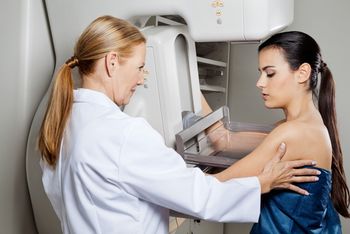
Two automated volumetric methods were superior in measuring breast density.

The issue of overdetection of cancer from screening must be addressed sooner than later, say experts.
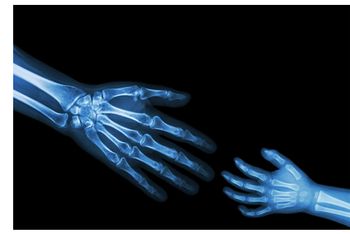
Pediatric radiologists need a different skillset and personality than other radiologists.
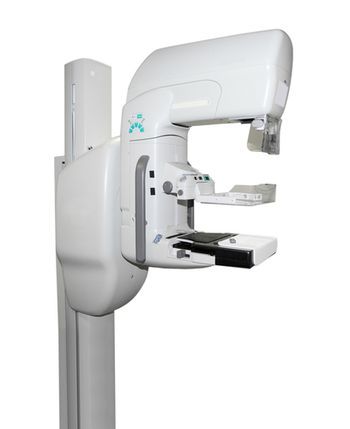
Mammography would be more accurate and comfortable for patients with mammographic pressure standardization.
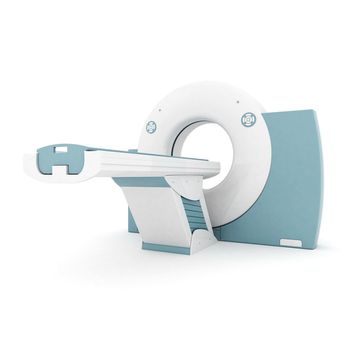
Magnetic resonance imaging following CT or US detection of indeterminate pelvic mass helps women avoid unnecessary surgeries.

When radiologists were scary.

Health systems must prepare to increase their low-dose CT lung cancer screening capabilities to accommodate a new, larger pool of Medicare patients.

Breast density awareness is more common in women who are educated, had higher household income, and have health insurance.

Dosing levels for pediatric head CTs as recommended by the ACR are met by most hospitals in the U.S.
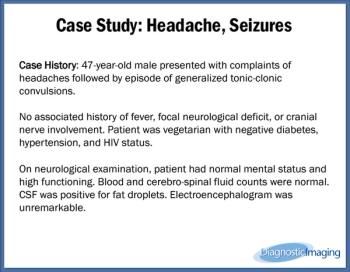
Case History: 47-year-old male with headaches followed by generalized tonic-clonic convulsions.