
Use of digital breast tomosynthesis varies across the country and among practices, but is most often used clinically.
Use of digital breast tomosynthesis varies across the country and among practices, but is most often used clinically.

Short but intensive training was effective in training radiology staff on dose reduction.
Magnetic resonance imaging may be a promising way to detect lower levels of iron in the brain, helping determine which children have ADHD.

It can be difficult to decipher who has final say in radiology reports. Part 1 of 2.

The FDA has given Bayer’s Gadavist approval for use with MRI of the breast to evaluate malignant breast disease.

The radiology core exam has changed, find out here what’s different and how residents can prepare.
Imaging shows signs of brain abnormalities among babies born between 32 and 37 weeks’ gestation.
Radiologists say they've seen it all, but have they?
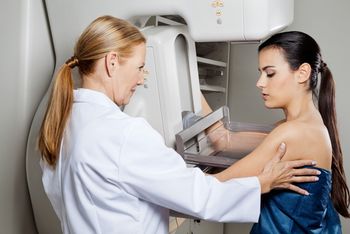
Tomosynthesis, photon counting and photoacoustic imaging are just a few of the growing options for breast imaging technology.
Timing of DTI is not restricted by the menstrual cycle, but is sensitive to menopause and milk in lactating women.
Preoperative MRI in early breast cancer can reduce reexcision rates and, therefore, minimize patient anxiety.
In cost comparison of screen-film mammography and digital mammography, digital is more cost-effective.

As breast imaging technology advances, providers are looking to vendors to help meet their needs. Find out here which vendors are favored.
Knowledge of radiation safety among medical residents, including radiology residents, could be improved.

Radiologists are well equipped to become leaders in the new health care environment.

Radiologists tend to get a bad rap, but when it comes to imaging studies, we know best.

Radiologists need to play their part in educating the public about radiation.
The decision to go into private practice didn’t stop me from trying to teach other radiologists a thing or 2.
Reconstructed 2D images, with no radiation exposure, and tomosynthesis are comparable to full field digital mammography plus DBT in screening mammograms.

The decision to transition from departmental PACS to enterprise IT is not always a popular choice, but larger scope brings more opportunity for radiologists.

The evidence exists that low-dose CT can save the lives of patients at high risk for lung cancer, according to MITA.
With patient satisfaction an increasing concern, radiology vendors and facilities are focused on improving the imaging experience.

The MedMuseum, devoted to the history of medical technology, held its grand opening today in Erlangen, Germany.

Mobile technology, already making a big impact in imaging, has an even brighter future, according to experts at SIIM 2014.
When it comes to dose monitoring, there are more questions than answers regarding standards and implementation, according to imaging professionals at SIIM.
Discrepancies in dose among institutions reveal underutilization of reduced-dose techniques.
Applying the same dose-reduction protocols to all patients may have adverse effects.
Radiology can see significant value from big data, according to experts at SIIM 2014.

Radiology practices get creative with revenue opportunities.

Only a few states have legislation for monitoring radiation exposure but the rest will follow suit, predict experts at SIIM 2014, where is your organization in the mix?