The Rology teleradiology platform may improve access to top tier-imaging interpretation for stand-alone imaging centers, rural facilities and low-income patients.

The Rology teleradiology platform may improve access to top tier-imaging interpretation for stand-alone imaging centers, rural facilities and low-income patients.

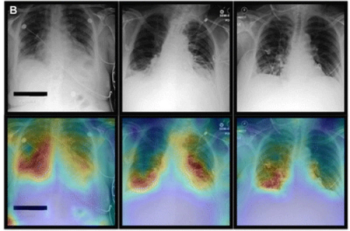
Integrating clinical data parameters along with chest X-ray findings, the multimodal artificial intelligence (AI) model outperformed the use of clinical parameters only and chest X-rays only for various conditions ranging from congestive heart failure and chronic kidney disease to hypertension and pneumonia.

Review the case study and test your knowledge to make the correct diagnosis.

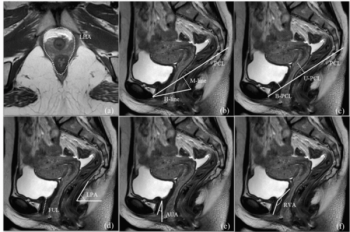
Researchers found that the combination of a retrovesicourethral angle, functional urethral length, and bladder funnel on MRI exams in primiparous women had a 94.7 percent AUC for predicting postpartum stress urinary incontinence (SUI).

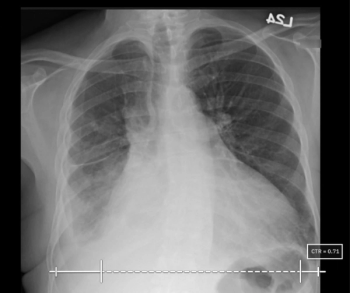
Leveraging artificial intelligence (AI) algorithms, the qXR-CTR reportedly provides automated cardiothoracic ratios (CTRs) through assessment of plain chest radiographs.

Is the continued rise of artificial intelligence (AI) driven by legitimate “machine learning,” or do the frequently “suspicious” chest X-rays and questionable detection of subtle findings on head CTs reveal a hype-driven train of new products with an ultimately “planned obsolescence”?

Catch up on the top radiology news of the past week.

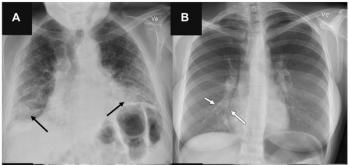
In a multicenter study examining four commercially available artificial intelligence (AI) software products for chest X-rays in over 2,000 patients, researchers found sensitivity rates ranging between 33 to 61 percent for vague airspace disease and 9 to 94 percent for small pneumothorax and pleural effusion.

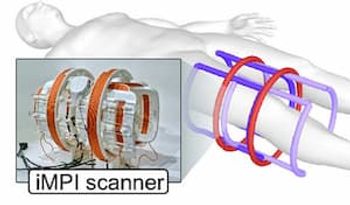
iMPI technology represents a significant advancement in the field of medical imaging that may potentially revolutionize the way endovascular interventions are conducted.

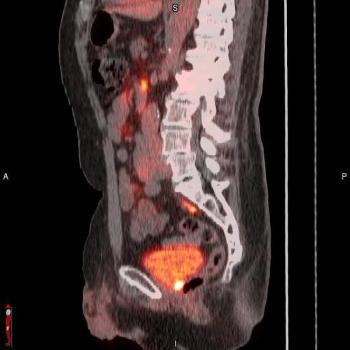
Researchers noted a 20.1 percent incidence of bone-only metastasis in a cohort of men with castration-resistant prostate cancer, according to findings from research presented at the recent Society for Nuclear Medicine and Molecular Imaging (SNMMI) conference.

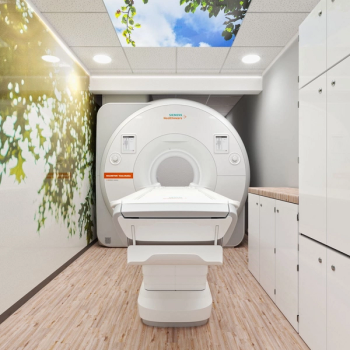
The MAGNETOM Viato.Mobile may facilitate improved access to MRI capabilities for patients with serious health conditions who lack geographic proximity to centers with advanced imaging.

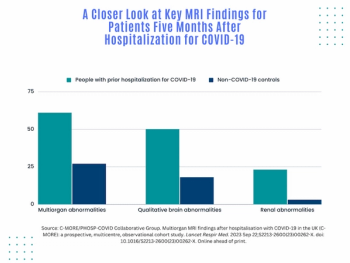
For patients discharged from the hospital with confirmed COVID-19, median five-month follow-up MRI findings revealed a greater likelihood of regional brain volume reduction, parenchymal lung abnormalities and loss of corticomedullary differentiation in the kidney in comparison to people who have not had COVID-19.

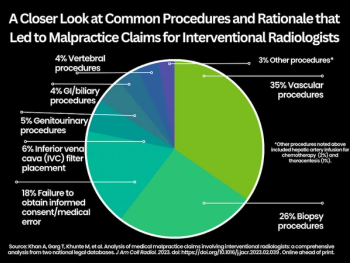
Thirty-five percent of the interventional radiology malpractice cases involved vascular procedures and 26 percent of overall malpractice cases that went to trial resulted in plaintiff judgments with the average award being over $2 million.

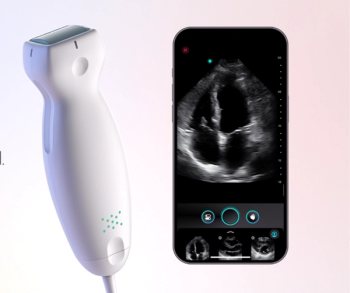
The Exo Iris reportedly combines advanced silicon technology with imaging, workflow software and artificial intelligence (AI) to facilitate multidisciplinary use of point-of-care ultrasound.

The transitional pass-through payment reimbursement code for the FDA-approved PSMA PET agent for prostate cancer detection will be effective as of October 1, according to the Centers for Medicare and Medicare Services (CMS).

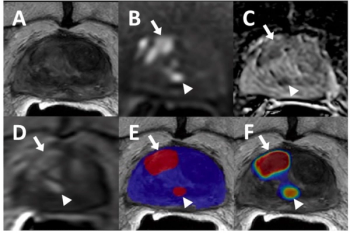
For patients who had previous radiotherapy for prostate cancer (PCa), researchers found that a biparametric MRI-based deep learning model demonstrated an 81.5 percent sensitivity rate for PCa recurrence in patients previously treated with external beam radiation treatment (EBRT) and 100 percent sensitivity in patients with greater than 34 ml in gland volumes.

Catch up on the top AI-related news and research in radiology over the past month.

What constitutes an optimal work schedule in radiology?

Catch up on the top radiology news of the past week.

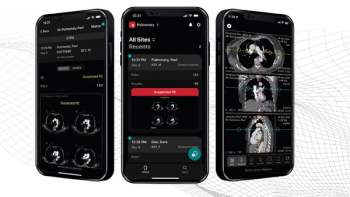
The Pulmonary Embolism (PE) Triage and Notification (PETN) module with RapidAI’s RapidPE platform reportedly demonstrated over 90 percent sensitivity and specificity rates for detection of central PE on computed tomography (CT), according to multicenter study findings presented at the 9th Annual Pulmonary Embolism Symposium.

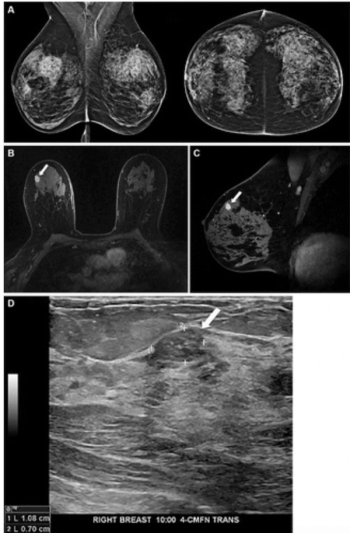
New research suggests the capability of a mammography-based deep learning model to identify women at high risk of breast cancer led to more than triple the cancer detection rate on breast MRI in comparison to traditional risk assessment tools.

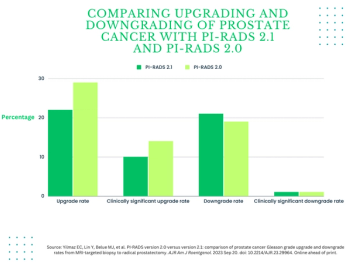
In a study of over 300 patients, researchers saw no significant differences in upgrading or downgrading of prostate cancer assessment on MRI with PI-RADS 2.1 in comparison to PI-RADS 2.0

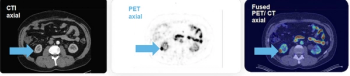
For cT1 renal masses < 4 cm and renal masses < 2 cm, the PET/CT agent 89Zr-DFO-girentuximab had respective sensitivity rates of approximately 85 percent and 96.7 percent for diagnosing clear cell renal cell carcinoma, according to research recently presented at the European Association of Nuclear Medicine (EANM) 2023 Congress.

The artificial intelligence (AI)-enabled AIRAscore can reportedly provide quantitative brain volume data within five minutes of assessing brain MRI scans.

The use of automated detection of large vessel occlusion on computed tomography (CT) through artificial intelligence (AI) software reportedly led to an 11.2-minute reduction in triage time from the completion of imaging to initiation of endovascular therapy, according to newly published research.

Review the case study and test your knowledge to make the correct diagnosis.

Twice-a-day consumption of reconstituted grape powder provides significant long-term benefit in preserving cerebral metabolism for people with mild cognitive decline, according to research presented at the recent Society for Nuclear Medicine and Molecular Imaging (SNMMI) conference.

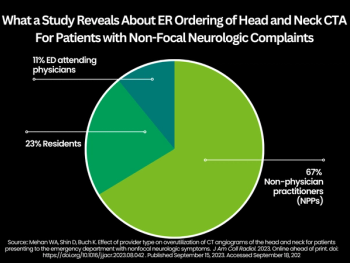
Over 80 percent of head and neck computed tomography angiography (CTA) exams performed in the emergency department had no actionable findings for patients with non-focal neurologic complaints, and 67 percent of the exams were ordered by non-physician practitioners (NPPs), according to a newly published study.

While this author has no intention of retiring from radiology, he notes that retiring from certain work schedules or aspects of the field have had a favorable impact on his life.

Catch up on the top radiology content of the past week.