

Catch up on the top radiology content of the past week.
Catch up on the top radiology content of the past week.
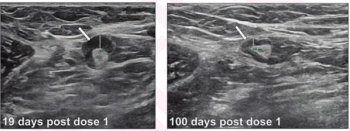
While COVID-19 vaccine clinical trials noted that post-vaccine axillary lymphadenopathy lasted for one to 10 days, emerging breast ultrasound research found a mean resolution of 127 days after a first vaccine dose.

In a recent video interview, two radiology professors from the Yale School of Medicine discussed the impact of the iodinated contrast media (ICM) shortage and potential strategies, ranging from ICM dose reduction to possible deferment of non-urgent imaging, that may provide a viable path moving forward.
Researchers found that Korean women with a combination of benign breast disease and BI-RADS category C or BI-RADS category D breast density had a nearly threefold or greater 10-year risk for breast cancer.
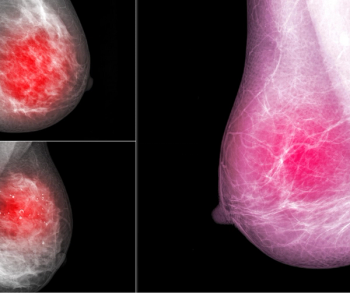
In a recent lecture at the Society of Breast Imaging (SBI)/American College of Radiology (ACR) conference, Linda Moy, MD, reviewed key tips for optimizing magnetic resonance imaging (MRI) of the breast.

Could the emerging artificial intelligence platforms Saige-Dx and Quantib Prostate 2.0 improve cancer detection with mammography and prostate MRI?

Is it a thoughtless verbal reflex or a failure to go beyond a surface read of imaging?

The company will spotlight the breast cancer risk stratification software Volpara Risk Pathways and a new mammography training collaboration with Mammography Educators.
Catch up on the top radiology content of the past week.

In recent video interviews, Syam Reddy, MD, Judy Yee, MD and Anand Narayan, MD, discussed various benefits of computed tomography colonography (CTC) for colorectal cancer screening, the underutilization of the CTC procedure and steps moving forward to improve access to this procedure.

In addition to addressing workplace stressors, leaders in radiology should have an increased awareness of other key drivers of burnout, including inclusivity issues and challenges for radiologists who are managing their own health conditions.
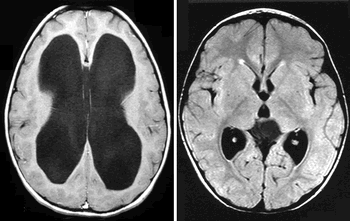
Given the challenges with the shortage of the iodinated contrast agent Omnipaque, national and state organizations have issued suggested risk mitigation and conservation strategies to reprioritize imaging needs during this temporary shortage.


Could low-dose X-ray technology reinvent imaging exams for children?

While some have raised questions and concerns about a possible loss of autonomy with the increasing presence of private equity in radiology, this author says potential benefits of such an alliance, including access to new technologies, career development and a strong patient focus, go beyond the expected economies of scale.
Sharing insights from their recent presentation at the American Roentgen Ray Society (ARRS) conference in a new video interview, researchers discussed how sex-based differences have an impact in the imaging and diagnosis of ischemic heart disease (IHD) in women.

When remaining cool and collected is a challenge, providing an overload of detail is another way of turning the tide with a frustrating referring clinician.
Check out top radiology content from the past week.
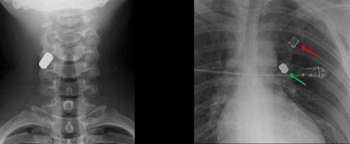
In a recent presentation at the American Roentgen Ray Society (ARRS) conference, researchers discussed pertinent considerations with imaging of gunshot wounds.

What is the diagnosis?
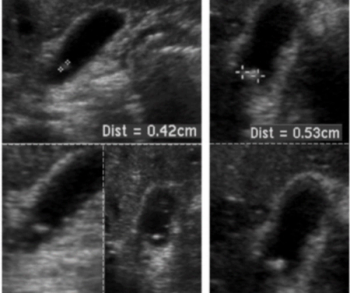
Based on findings from what may be the first longitudinal study of gallbladder polyps in patients with underlying liver disease, researchers suggested that size change thresholds for cholecystectomy may need to be reevaluated.
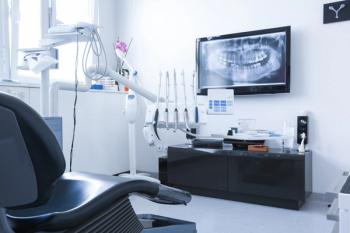
The AI-powered dental algorithm, Video Caries Assist, reduced missed cavities by 43%.
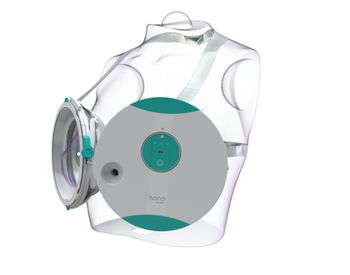
The portable ATUSA™ System reportedly provides 3D ultrasound visualization of the entire breast volume in two minutes.

Proactive cybersecurity measures are essential to safeguard against the increasing threat of cyberattacks that can erode patient confidence, completely disrupt health-care practices, and potentially cost over a million dollars in network costs, downtime, and lost revenue.
Addressing alternate realities may be common practice for radiologists when they are subjected to questionable or negligible patient histories.
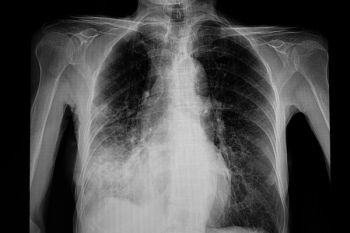
In a lung screening cohort of over 2,500 people, researchers found that significantly higher rates of chronic kidney disease and chronic heart failure were associated with increased hospitalization and mortality rates in patients with COVID-19.
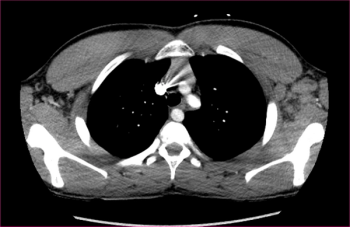
Lung opacities/consolidation and cervical/axillary adenopathy are reportedly common findings in emergency room imaging of patients suspected of having complications related to COVID-19 vaccines, according to new research presented at the American Roentgen Ray Society (ARRS) conference.
Review the top radiology content from the past week.
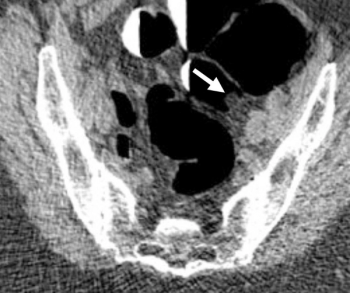
In a recent survey of over 13,700 people between the ages of 50 and 75, researchers found that only 1.4 percent of respondents had colorectal cancer screening with computed tomography (CT) colonography.
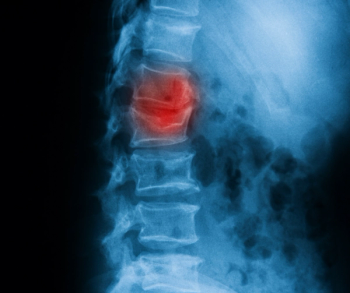
The new artificial intelligence-powered software from Nanox reportedly identifies findings suggestive of compression fractures and low density on computed tomography (CT) images and facilitates more precise measurement of these fractures.