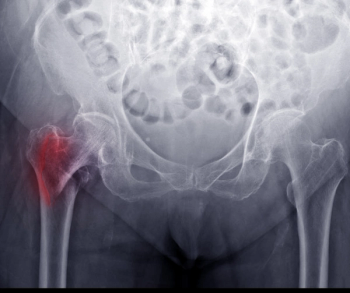
Identifying these easily missed breaks can save patients from future negative complications or loss of function.

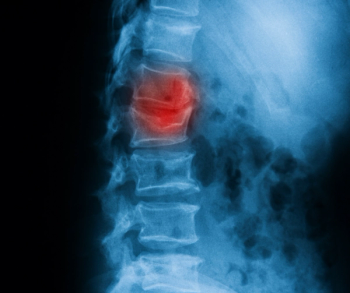
Identifying these easily missed breaks can save patients from future negative complications or loss of function.

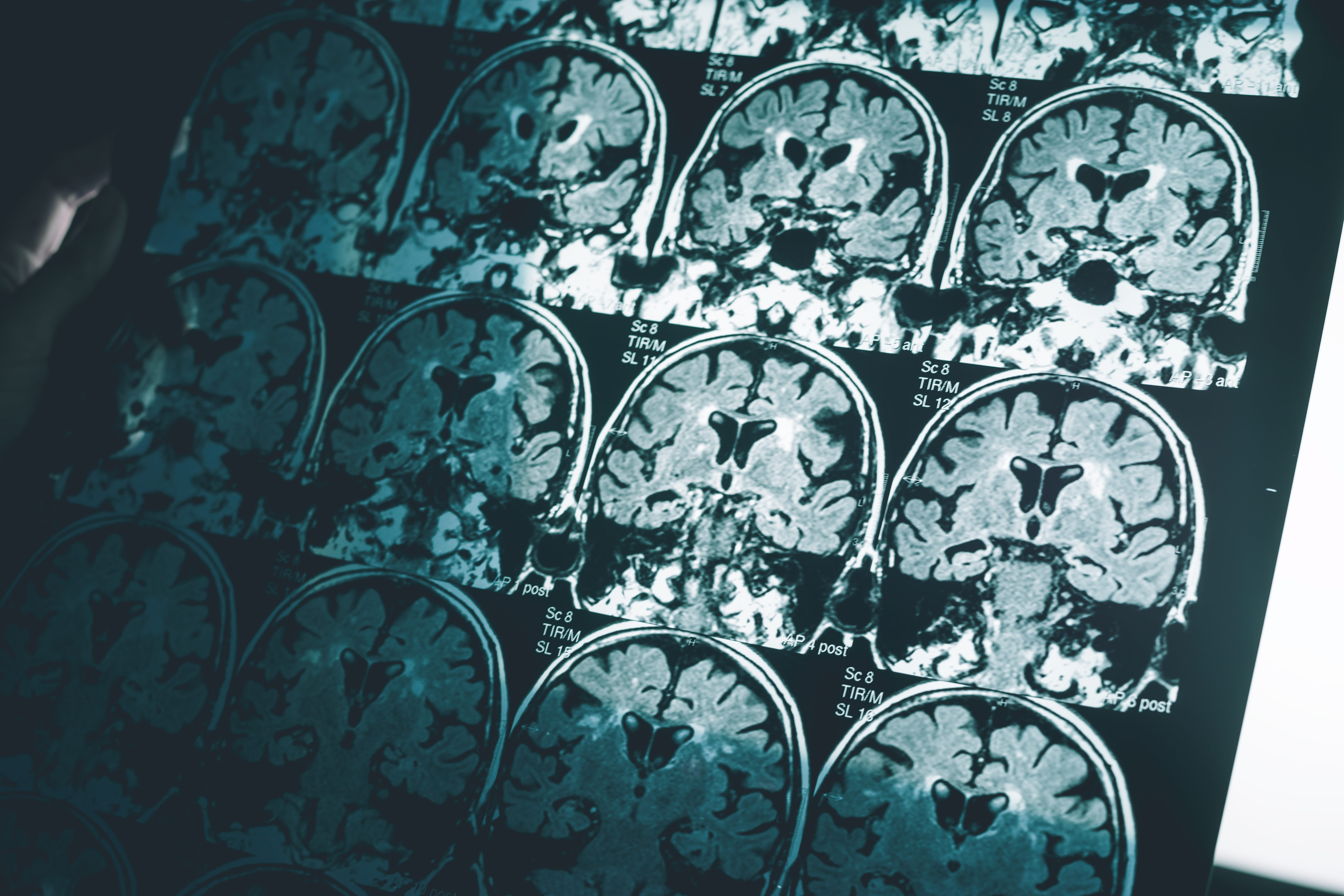
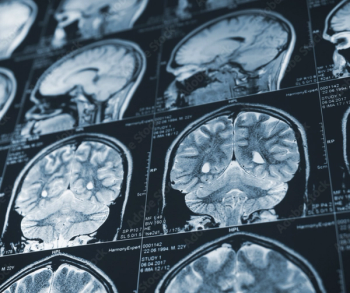
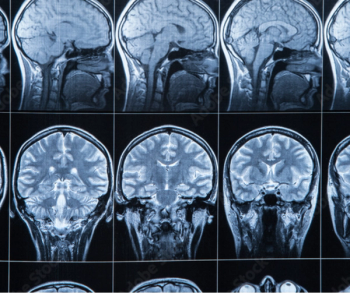
Using a model trained on three data sets could lead to automated categorization of “likely normal” and “likely abnormal” brain MRI results.

AI-fueled mammography triage software from DeepHealth wins 510(k).

Liability and responsibility concerns are not significant with AI use now, but as the tools enter clinical use, that will change.

Algorithms outperformed providers in accurate, quick detection and classification.

This partnership opens the door to better access to data for AI tools, as well as streamlined workflow, augments physician training, and better patient care.

Pairing machine learning methods with chest X-rays can potentially improve viral detection in areas where access to swab testing and chest CT scans is inadequate.

RADLogics’ CEO Moshe Becker discusses the potential role of the chest CT AI tool and the impact it could make into the future.

Here's what to expect this week on Diagnostic Imaging.

Algorithm is designed to automate heart ventricle measurements.

ACR, RSNA, and SIIM call on HHS and FDA official to dismiss a “midnight” proposal from the immediate-past HHS Secretary.

Lunit’s INSIGHT CXR software will be available on Philips’ X-ray solutions.

Combining machine learning and deep learning with clinical data and chest X-rays can point to either mild or severe disease.

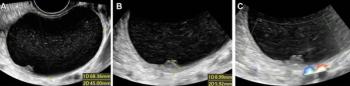
New method can help providers distinguish between benign and malignant breast lesions.

Four leadership organizations are advocating for two codes that could go into effect in 2022.

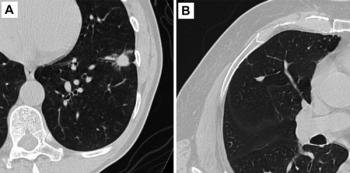
A combination of artificial intelligence and Lung-RADS can increase scan specificity without reducing sensitivity

Aquilion system offers industry’s largest bore and widest field-of-view, potentially augmenting radiation therapy planning.

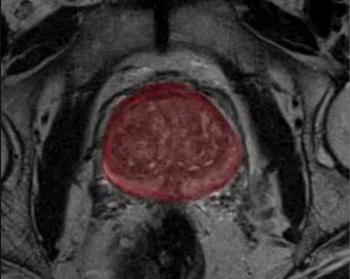
Using pre-operative MRI data, an AI algorithm can help predict recurrence better than existing models.

COVID-19 Damage, but No Virus in the Brain; Non-Ferromagnetic Bullets and the MRI; Six Trends to Watch in 2021; and AI and Ethics

Artificial intelligence topped the list of five major themes at RSNA 2020, highlighting all the developments from vendors this year.

While the pandemic raged, work continued to advance the development of AI tools with breast imaging services.

Using AI with these images significantly improves detection rates, working as a second reader to improve provider performance.

With a newly developed segmenting method, it is possible to configure large amounts of data from various imaging datasets automatically and with little expertise.

What other ethical questions exist, and what the future holds.

Are radiologists approaching AI ethically, and what challenges exist.