











What is your diagnosis?
What is your diagnosis?
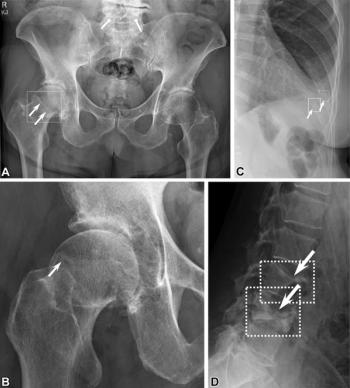
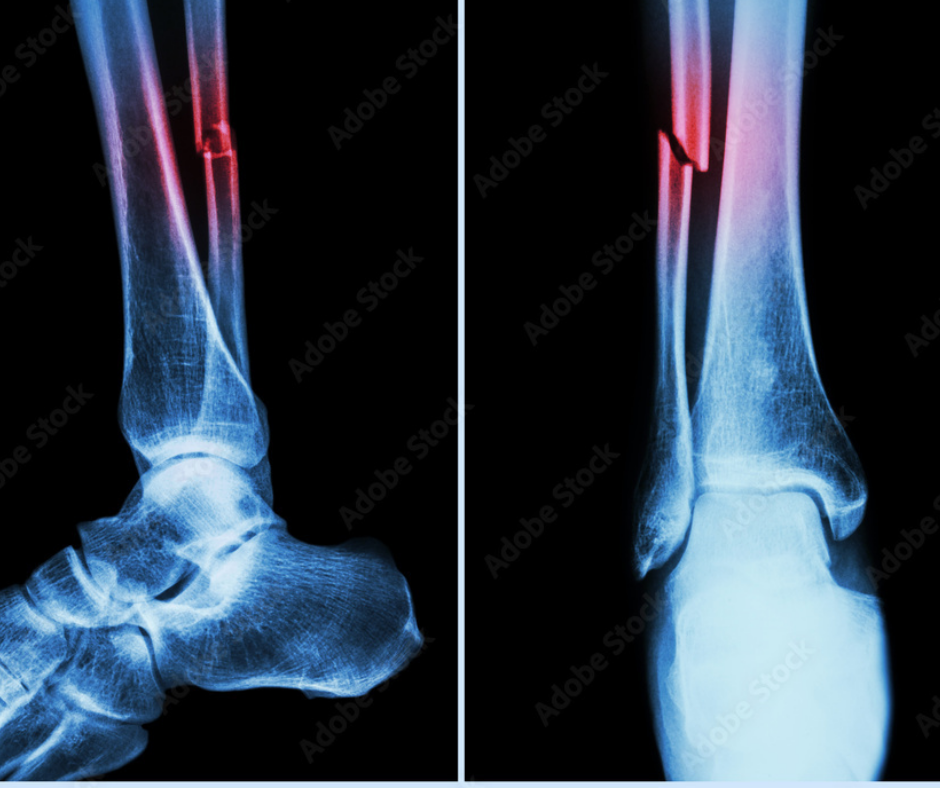
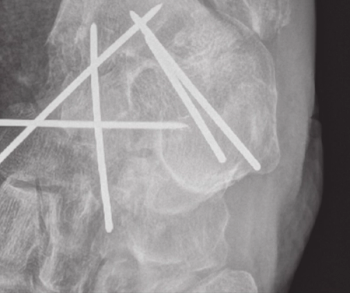
A recent multicenter study of BoneView AI noted a significant increase in sensitivity for fracture detection on X-rays and decreases in reading time for radiographs.
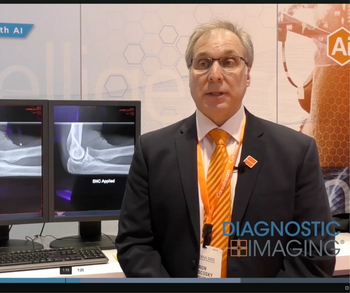
Innovations with artificial technology (AI) are fueling product advances that offer enhanced image quality, patient positioning and workflow efficiencies.
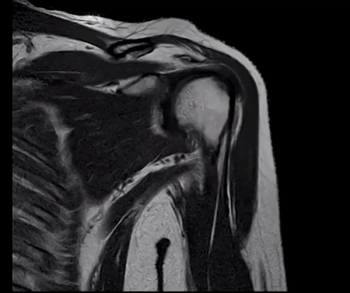
A new artificial intelligence tool reportedly overcomes resolution issues of standard magnetic resonance imaging (MRI) scans with 3D images of the shoulder bones and may eliminate pre-operative use of computed tomography (CT) for total shoulder arthroplasty procedures.
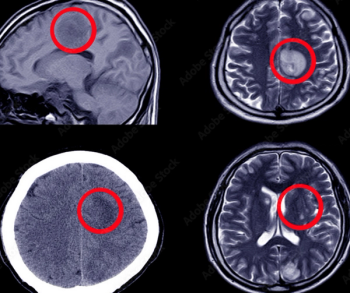
A recent study found that Viz ANEURYSM had a 94 percent accuracy rate of diagnosing subarachnoid hemorrhages on computed tomography angiography (CTA).
In a recent video interview, Nina Kottler, MD, discussed the promise of artificial intelligence (AI) for improving workflow efficiency for radiologists, keys to assessing AI vendors and change management principles for facilitating implementation of AI into one’s practice.
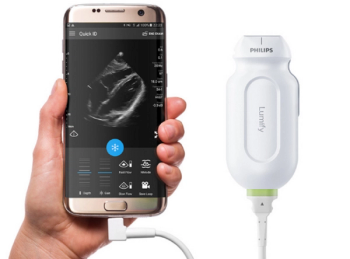
In addition to newly added advances with hemodynamic assessment and obstetric measurements, Lumify also offers a B-line quantification tool and AI-enhanced algorithms that may bolster ultrasound lung imaging in severe COVID-19 cases.
The artificial intelligence (AI)-based technology reportedly facilitates optimal contrast-to-noise ratios with medical imaging.
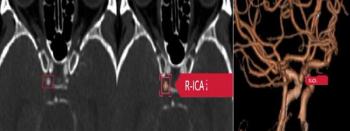
Researchers say the complementary use of artificial intelligence may significantly improve the accuracy of radiologists in diagnosing intracranial aneurysms.

Cloud migration, teleradiology and enhanced patient access to medical records could emerge as dominant trends in radiology this year.
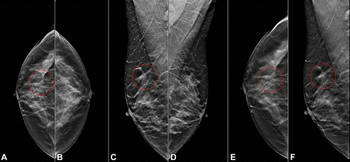
In a simulated clinical workflow, researchers found the use of an artificial intelligence model significantly decreased the number of exams that required interpretation by a radiologist.
While current projections suggest a shortage of radiologists in the future, promising developments with radiology residency positions, medical student awareness of the field and AI-aided efficiencies could be game changers.
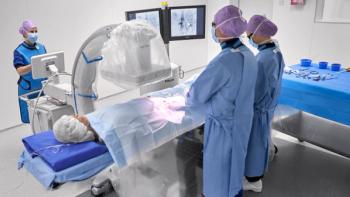
Emerging technology could provide key advances in pre-op planning and intraoperative management in endovascular surgery.
New research suggests an emerging machine learning model that combines findings from advanced imaging with clinical data may improve risk stratification in people with coronary artery disease.
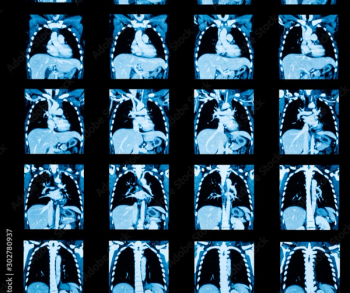
Code for quantitative CT tissue characterization goes into effect on July 1.
Canon's latest entry into the PET/CT market is a digital, air-cooled system that provides customizable solutions for a range of clients.

Will this artificial intelligence technology improve diagnostic accuracy and reduce false positive biopsy orders?

Pertinent perspectives on emerging trends in radiology.

Technologies must be integrated with existing platforms and workflows, as well as demonstrate value.
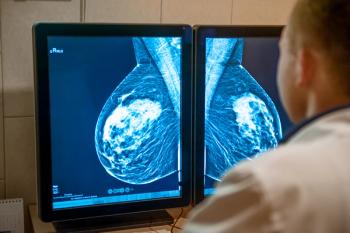
Warning systems designed to streamline interpretation of screening mammograms may not benefit interpreting radiologists or patients, a new study suggests.
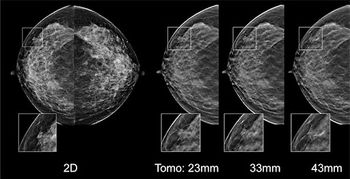
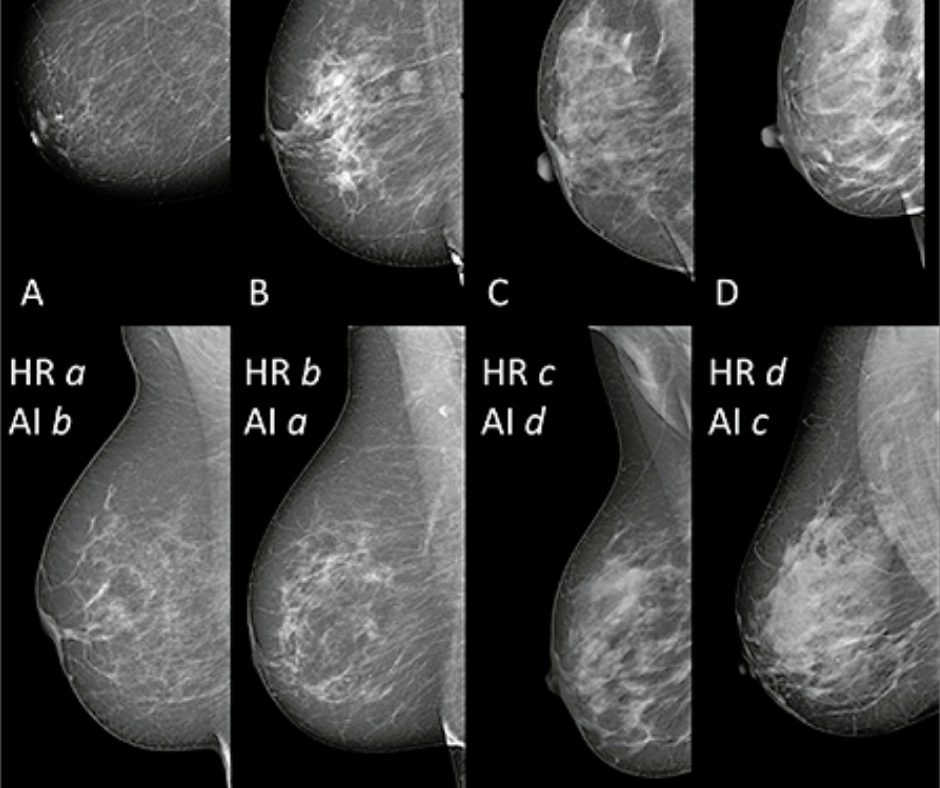
An artificial intelligence for digital breast tomosynthesis enhances radiologists’ performance and efficiency.
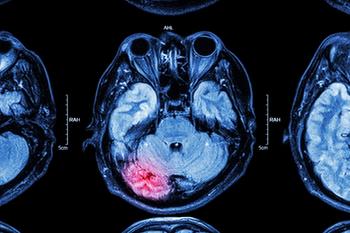
A deep learning model was developed to detect intracranial hemorrhage in computed tomography scans without medical annotation.
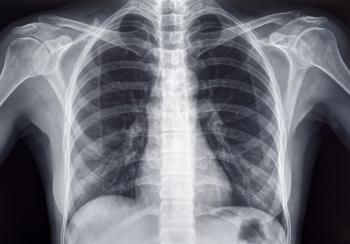
Deep learning models trained on a dataset lacking racial diversity could hinder the detection of pathology in underrepresented minority patients.
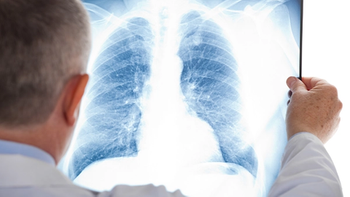
Artificial intelligence has been shown to be beneficial in the discovery of prognostic biomarkers for lung cancer diagnosis, treatment, and response evaluation.
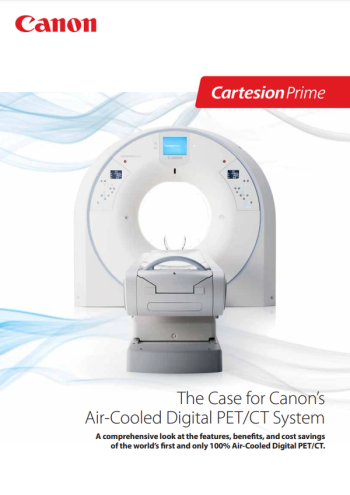
Sponsored Content