










COVID-19 Damage, but No Virus in the Brain; Non-Ferromagnetic Bullets and the MRI; Six Trends to Watch in 2021; and AI and Ethics

COVID-19 Damage, but No Virus in the Brain; Non-Ferromagnetic Bullets and the MRI; Six Trends to Watch in 2021; and AI and Ethics
Artificial intelligence topped the list of five major themes at RSNA 2020, highlighting all the developments from vendors this year.
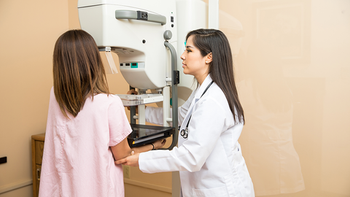
While the pandemic raged, work continued to advance the development of AI tools with breast imaging services.
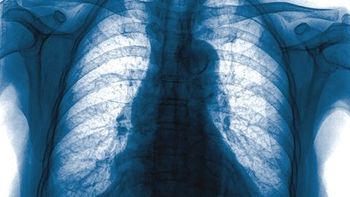
Using AI with these images significantly improves detection rates, working as a second reader to improve provider performance.

With a newly developed segmenting method, it is possible to configure large amounts of data from various imaging datasets automatically and with little expertise.
What other ethical questions exist, and what the future holds.
Are radiologists approaching AI ethically, and what challenges exist.
Nina Kottler, M.D., chief medical officer of AI at Radiology Partners, discusses, during RSNA 2020, what new developments the annual meeting provided about these technologies, sessions to access, and what to expect in the coming year.
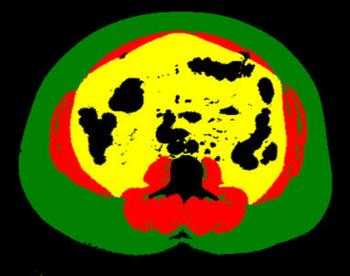
Using deep learning analysis with abdominal CT scans provides a more accurate body composition measurement that can predict which patients will suffer major cardiovascular events within five years.
Implementing artificial intelligence tools with breast imaging can pinpoint overlooked interval cancers and decrease provider workload in screening mammography programs.
What’s critical, and what radiologists can do.
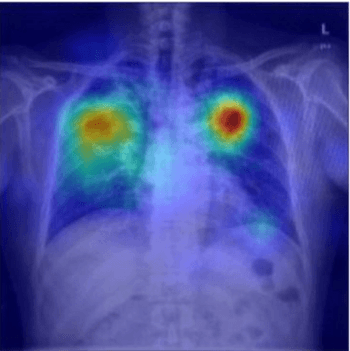
Applying a deep-learning model to a photograph of a chest X-ray can help providers in resource-poor areas diagnose the disease.
By incorporating non-imaging data, the algorithm can effectively pinpoint which patients will need ICU intervention.
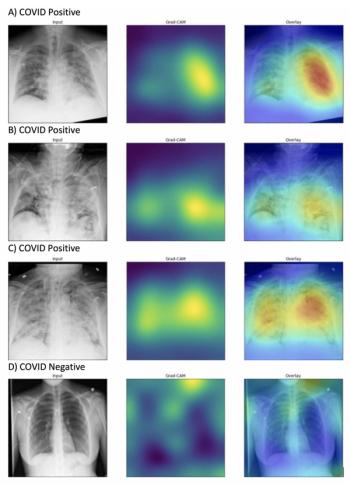
Investigators from Northwestern University have developed an algorithm that can identify evidence of COVID-19 on chest X-rays in a fraction of the time.
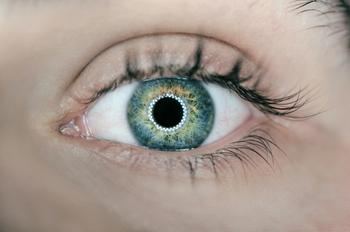
Basic photographs paired with AI technique can pick up on retinal changes that are early signs of the progressive central nervous system disorder.
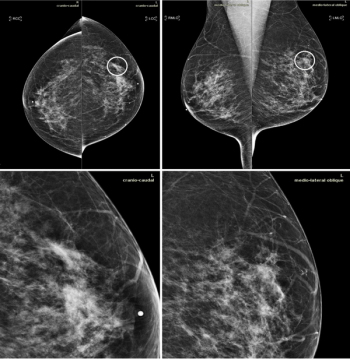
Study shows implementing the newly cleared software can slightly improve sensitivity and false negatives.
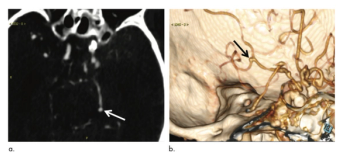
Deep learning tool improves cerebral aneurysm detection, specifically among radiologists with fewer years’ experience.

Industry experts advocate for radiologists to opt for relying on artificial intelligence – rather than non-physician providers – for help with workflow and cost reduction.
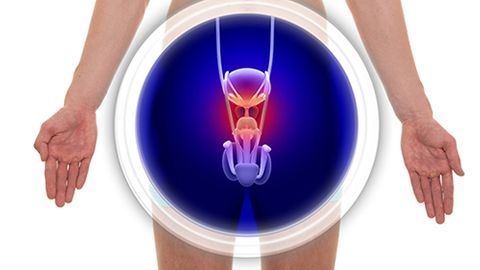
Algorithm cleared to help radiologists analyze and segment prostate MRI.
A pilot lecture series at one medical center is designed to provide residents with in-depth instruction in commonly used artificial intelligence algorithms.
More than three-quarters of women prefer a radiologist to be involved with reading their screening studies.

Penn Medicine is dedicated to improving artificial intelligence to address radiology needs in individual institutions worldwide, both improving performance and patient outcomes.
Invest wisely in a strong foundation to ensure continued innovation.
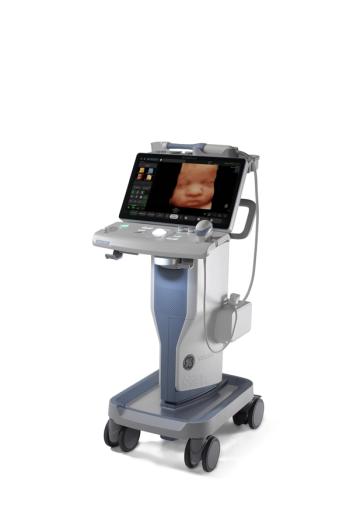
Voluson SWIFT is designed to shorten scan time and improve efficiency.
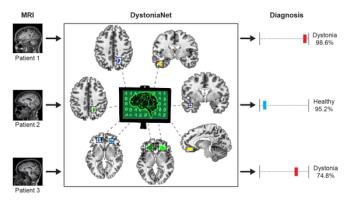
The platform, dubbed DystoniaNet, was able to identify 3 varieties of focal dystonia in a matter of 0.36 seconds with almost 100-percent accuracy.