












Catch up on the top radiology content of the past week.
Catch up on the top radiology content of the past week.
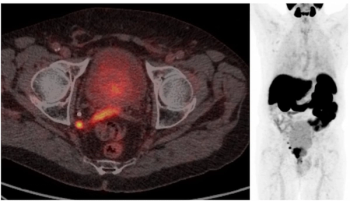
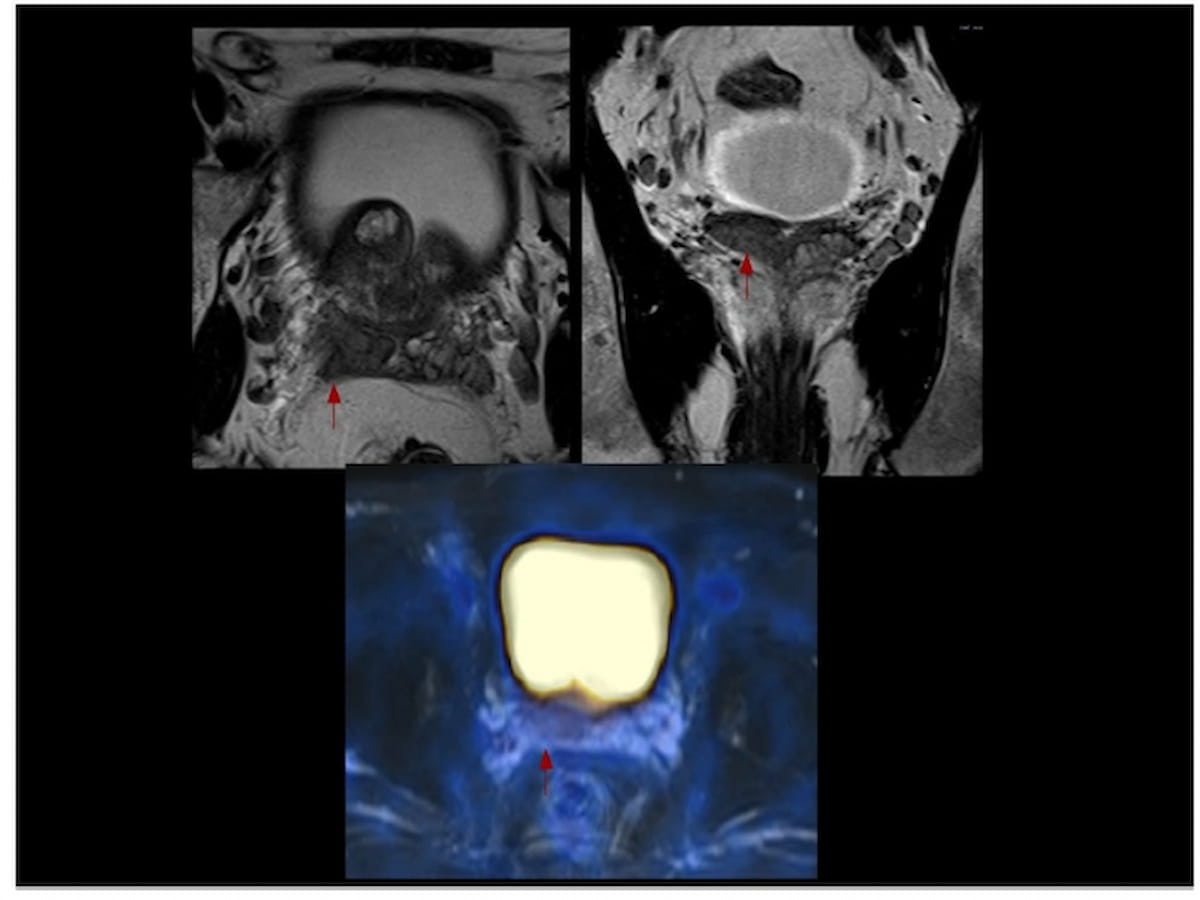
Sixty-five percent of patients with newly diagnosed high-risk prostate cancer may have extraprostatic extension on MRI, and PSMA PET/CT findings suggest those with Gleason scores of eight or higher have more than double the risk of metastasis, according to a new study presented at the European Congress of Radiology (ECR).
Catch up on the most-well viewed radiology content in February 2024.
Catch up on the top radiology content of the past week.

In a recent interview, Vivianne Freitas, M.D., discussed new research findings on positron emission mammography (PEM), pertinent benefits of the technology and its potential as a viable alternative in the future to conventional imaging techniques for breast cancer screening.
Catch up on the top radiology content of the past week.
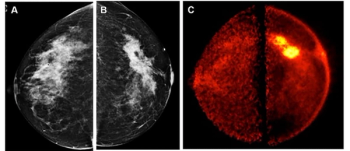
Findings from a new pilot study showed that low-dose positron emission mammography (PEM) detected 96 percent of malignant index lesions and had a 46 percent lower false-positive rate in comparison to breast MRI.
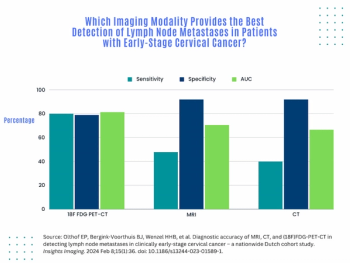
For the detection of nodal metastases in patients with early-stage cervical cancer, 18F FDG PET-CT offered a sensitivity rate that was double that of CT and 32 percent higher than MRI, according to newly published research.
Catch up on the most-well viewed radiology content in January 2024.
Catch up on the top radiology content of the past week.
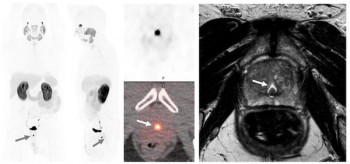
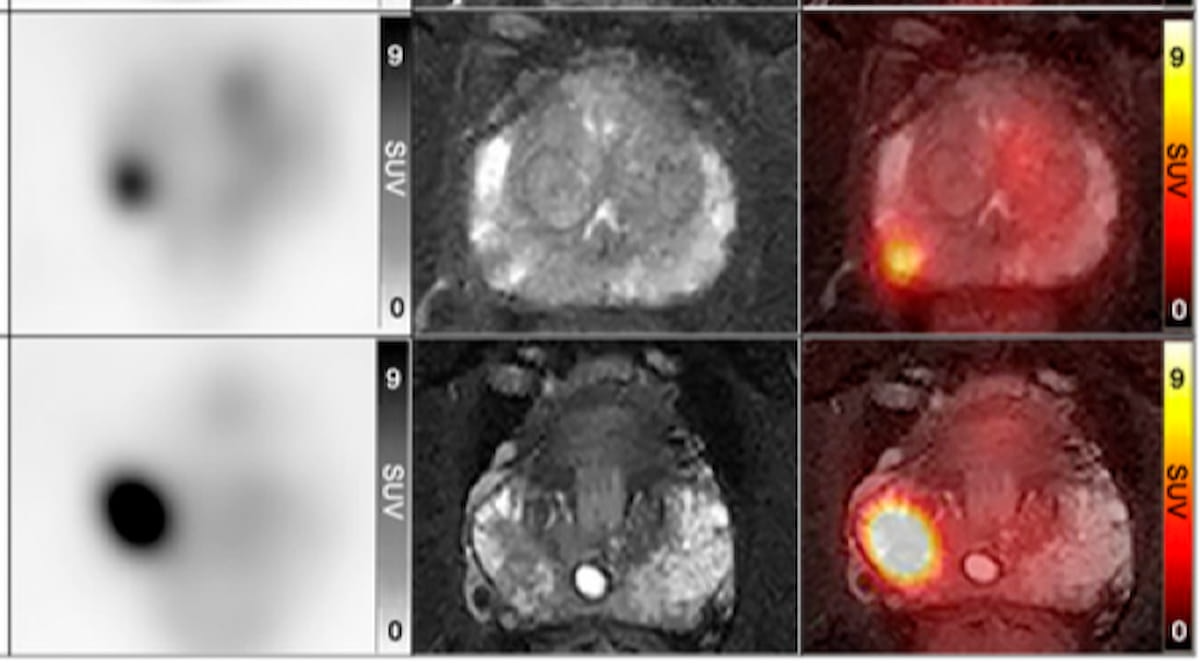
Patients with localized high-risk prostate cancer and midline radiotracer activity in the prostate had over double the incidence of urethral hyperintensity on T2W MRI, according to research presented at the American Society of Clinical Oncology (ASCO) Genitourinary Cancers Symposium (ASCO-GU).
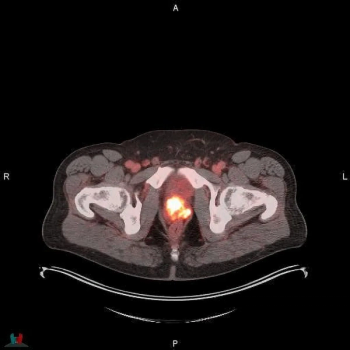
For patients with recurrent prostate cancer, PET scanning with 18F-flotufolastat led to major changes in treatment for 80 percent of patients and 75 percent of patients with a changed treatment focus to watchful waiting had negative scans, according to new research presented at the American Society of Clinical Oncology (ASCO) Genitourinary Cancers Symposium (ASCO-GU).

The syngo Virtual Cockpit platform reportedly enables remote access and image acquisition for CT, MRI and positron emission tomography (PET), and facilitates clinician collaboration across multiple sites.
Catch up on the top radiology content of the past week.
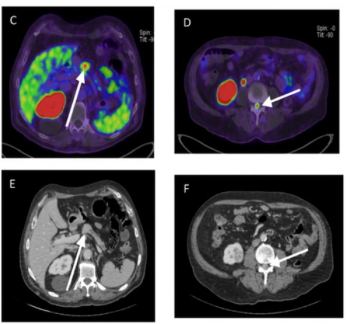
In addition to detecting more than double the number of distant lymph nodes and distant lesions in comparison to conventional imaging with computed tomography (CT), PSMA PET/CT reportedly changed management for 32 percent of patients.
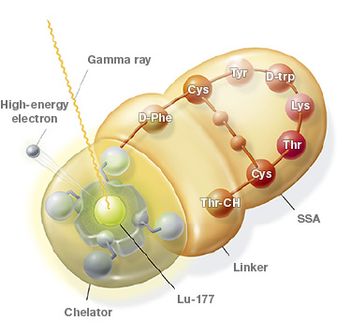
The FDA has accepted Lantheus' abbreviated new drug application for a generic Lutathera, just months after Novartis announced positive phase 3 data supporting a first-line indication for the radiopharmaceutical in neuroendocrine tumors.
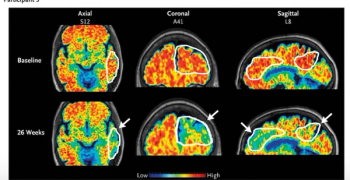
In a recent proof-of-concept trial assessing the combination of aducanumab infusion with MRI-guided focused ultrasound to open the blood-brain barrier, researchers found significant reductions in amyloid-beta load at 26 weeks in patients with Alzheimer’s disease.
Catch up on the top radiology content of the past week.

In a recent interview, Mahsa Dolatshahi, M.D., M.P.H., and Cyrus A. Raji, M.D., Ph.D., discussed MRI and PET study findings, presented at the Radiological Society of North America (RSNA) conference, that showed an association between higher amyloid PET tracer uptake in the precuneus cortex and a higher visceral to subcutaneous fat ratio.
Catch up on the top radiology content of the past week.

Dr. Kottler sat down with Diagnostic Imaging at RSNA 2023 to discuss AI imaging milestones and the potential impact of AI on workflows in radiology.
Catch up on the top radiology content of the past week.
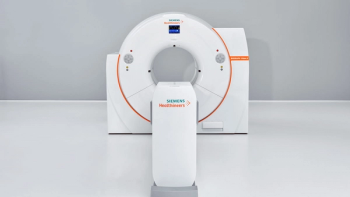
The Biograph Vision.X positron emission tomography/computed tomography (PET/CT) reportedly offers an industry-leading time of flight (TOF) and detector technology that facilitates the diagnosis of smaller lesions.
Catch up on the top radiology content of the past week.
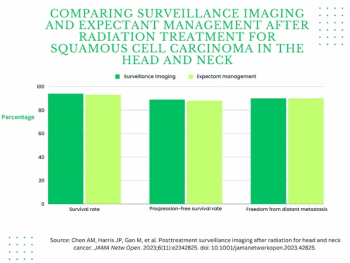
For patients who had a complete metabolic response to radiation treatment for head and neck cancer, the authors of a recent study found that surveillance imaging with PET/CT, MRI or CT did not improve outcomes in comparison to expectant management.