












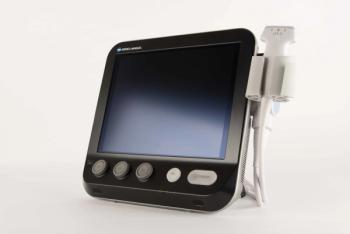
The Sonimage MX1 Platinum device reportedly offers a number of features to provide optimal ultrasound image resolution in a variety of point-of -care settings.
The Sonimage MX1 Platinum device reportedly offers a number of features to provide optimal ultrasound image resolution in a variety of point-of -care settings.
In a recent video interview, Thomas Marini, MD discussed the need for ultrasound access to facilitate breast cancer screening in underserved populations and the potential utility of volume sweep imaging, a handheld ultrasound technique that requires minimal training and has a high rate of agreement with conventional ultrasound on BI-RADS assessments.
Reviewing data from over 4 million patients who presented to emergency departments with suspected urinary stone disease between 2012 and 2018, researchers noted a greater than 10 percent decrease in visits with no imaging study and a greater than 10 percent increase in visits with CT imaging.
Catch up on the top radiology content of the past week.

Catch up on the top AI-related radiology content of the past month.
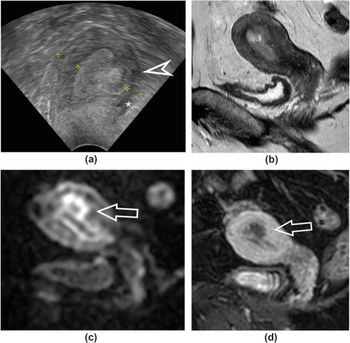
In a new study looking at pre-operative assessment of low-grade endometrial cancer, researchers found that while magnetic resonance imaging (MRI) had 20 percent higher specificity than transvaginal ultrasound for deep myometrial invasion, there was no difference in sensitivity.
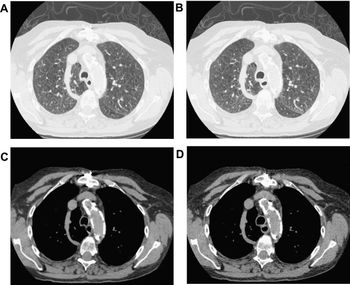
Rads will always have to deal with forces outside of their control, but it’s how we address those forces that makes us the type of radiologist we can be proud of.
Catch up on the top radiology content of the past week.
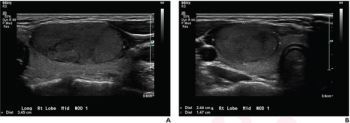
The retrospective study of patients 21 years of age or younger found that a deep learning algorithm and use of the American College of Radiology’s Thyroid Imaging Reporting and Data System (TI-RADS) both had more than a 26 percent greater sensitivity for differentiating thyroid nodules on ultrasound in comparison to radiologist assessment.
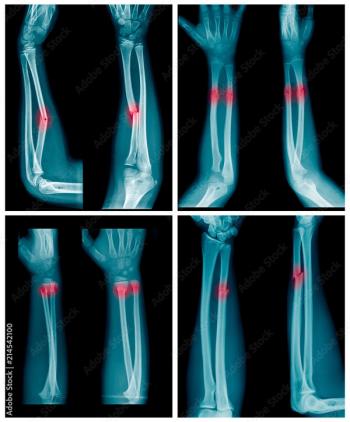
While facilitating interdisciplinary colloaboration is a central objective with enterprise imaging platforms, this author says implementation of these platforms must ensure optimal patient privacy in sensitive cases involving abuse, assault and domestic violence.
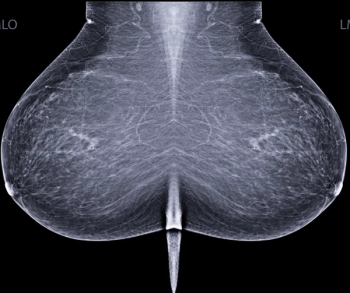
In a recent letter to U.S. Rep. Rosa DeLauro (D-CT), the Food and Drug Administration (FDA) said a final rule on amendments to the Mammography Quality Standards Act (MQSA), including an oft-delayed national standard for breast density notification in mammography reporting, may be published in the next couple of months.
Catch up on the top radiology content of the past week.

The opportunities and challenges in volunteering enable us to sharpen our leadership skills and get to the heart of our “why.”
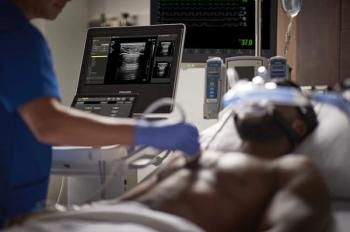
Offering the benefits of real-time collaboration and integrated connectivity, the portable ultrasound device may be utilized in a variety of clinical settings ranging from cardiology to obstetrics and gynecology.
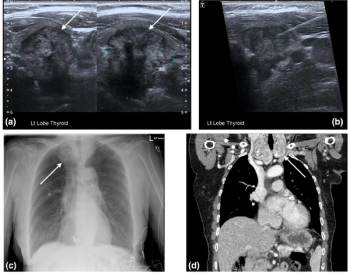
In light of recent shortages of iodinated contrast media, researchers from Australia suggest in a new publication that ultrasound and magnetic resonance imaging (MRI) can be viable first-line imaging options for a number of non-urgent presentations of the head and neck.
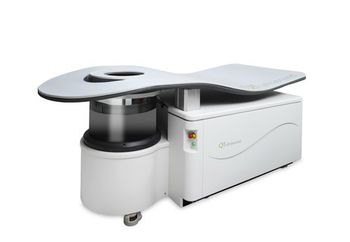
The ability of QT Imaging’s QTscan, a quantitative transmission ultrasound modality, to calculate the ratio of fibroglandular volume to total breast volume may facilitate assessment of ongoing breast cancer treatments or selective hormone receptor modulation therapies.
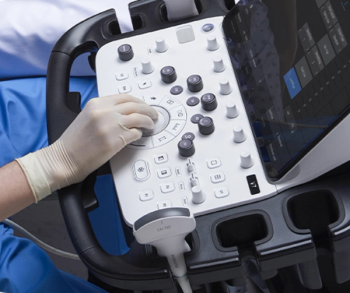
Given the influx of artificial intelligence (AI)-powered tools in health care, this author examines the potential intersection of this technology and ultrasound examination in obstetrics and gynecologic (OB/GYN) care
Catch up on the top radiology content of the past week.
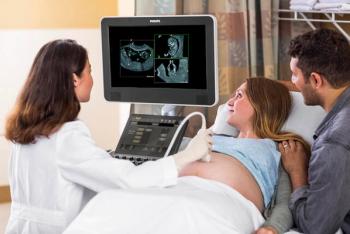
Emphasizing the digitalization of OB/GYN workflows and patient management, the cloud-based system reportedly facilitates real-time access to fetal ultrasound images and related data from any ultrasound system.
Catch up on the top radiology content of the past week.
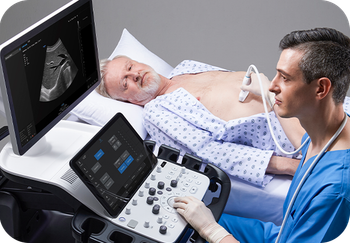
Offering uniform high-resolution images through a combination of beamforming and enhanced image processing, the new ultrasound platform reportedly has an array of diagnostic features ranging from cardiovascular applications to breast lesion assessment.

A little positivity and praise towards others can go a long way for how you assess and treat yourself, too.
Catch up on the top radiology content of the past week.
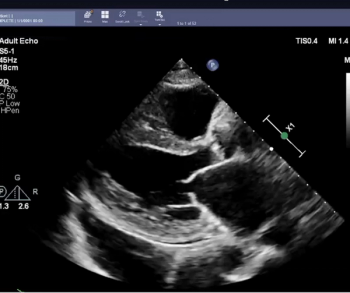
In comparison to initial sonographer assessment of echocardiograms, cardiologists are over 10 percent less likely to change initial artificial intelligence (AI) assessment of left ventricular ejection fraction (LVEF), according to new research recently presented at the European Society of Cardiology Congress in Barcelona, Spain.
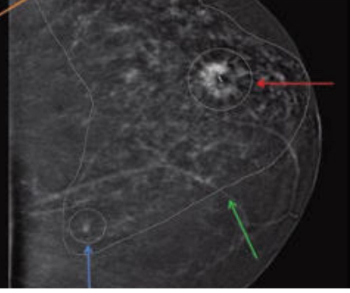
Researchers found the combination of magnetic resonance imaging (MRI) and contrast-enhanced mammography was nearly 22 percent more effective at detecting breast lesions than MRI-directed ultrasound.