





Catch up on the top radiology content of the past week.
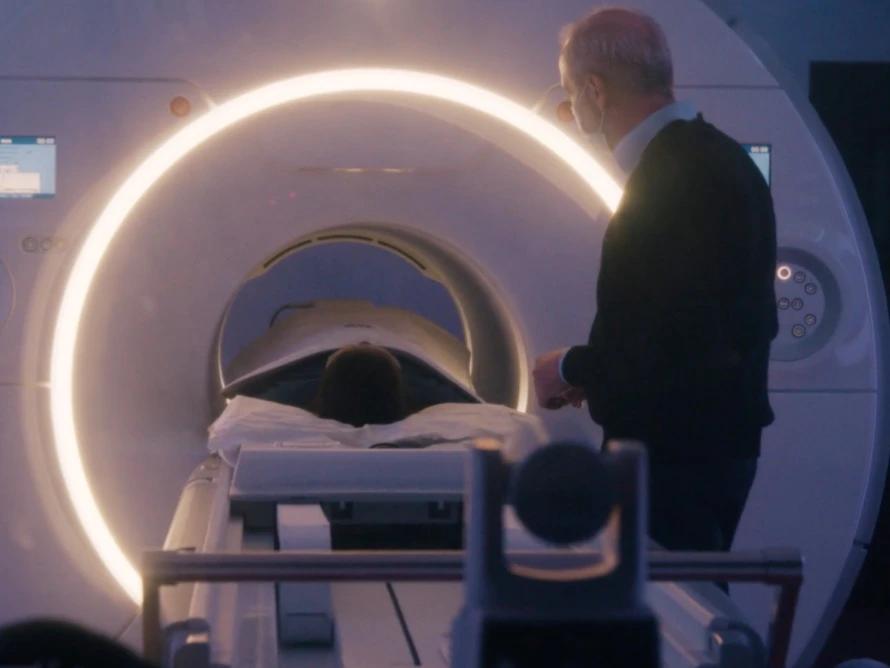
MRI Deep Learning Software from GE Healthcare Gets Expanded FDA Clearance
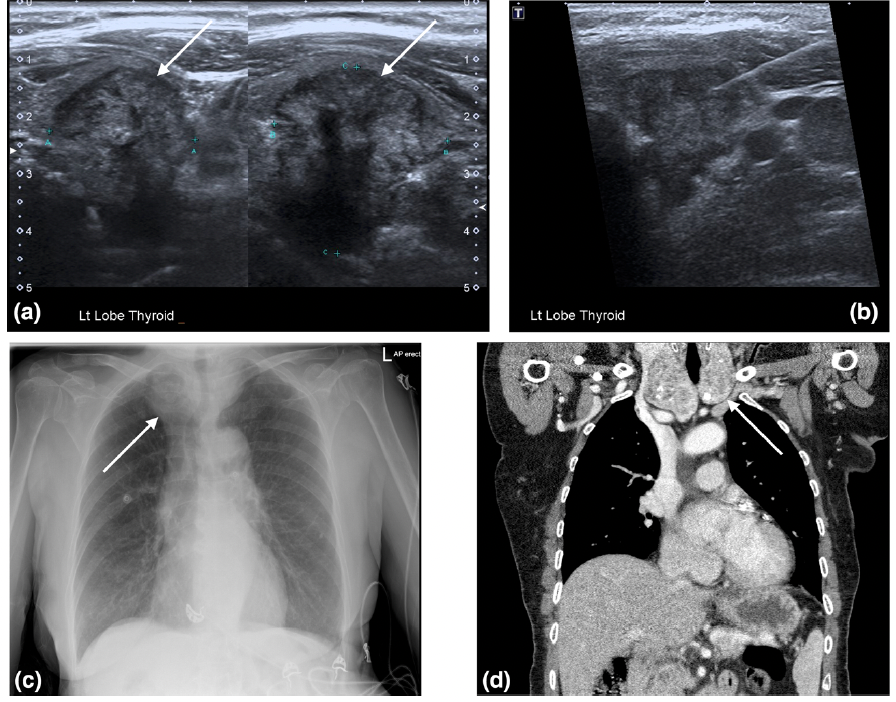
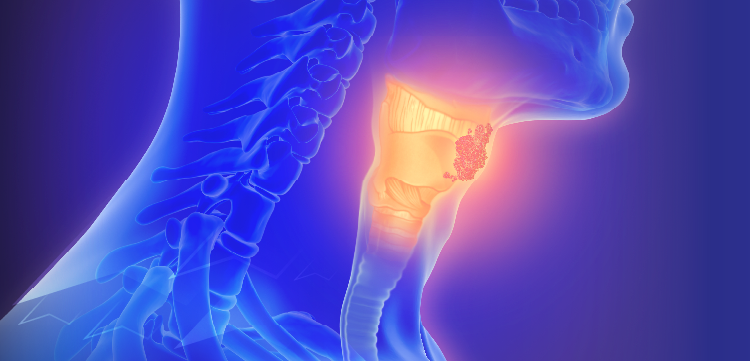
A Closer Look at Ultrasound and MRI Alternatives for Head and Neck Imaging
Catch up on the top radiology content of the past week.
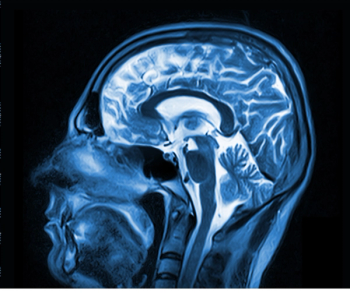
Requiring only half of the gadolinium dose of current non-specific gadolinium-based contrast agents (GBCAs), gadopiclenol can be utilized with magnetic resonance imaging (MRI) to help detect lesions with abnormal vascularity in the central nervous system and other areas of the body.
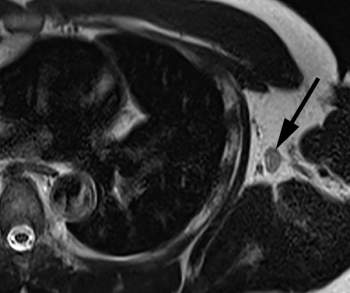
In a new study looking at the development of axillary lymphadenopathy after a second dose of COVID-19 vaccination, researchers found that those who had the Moderna COVID-19 vaccine were 21 percent more likely to have the post-vaccine side effect in comparison to those who had the Pfizer-BioNtech COVID-19 vaccine.
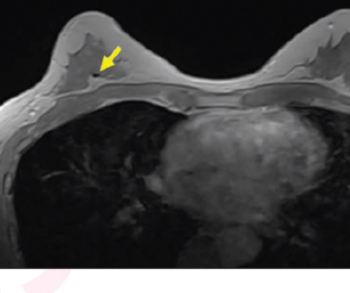
Emerging research suggests that the contrast-enhanced, in-phase Dixon sequence may be the most optimal sequence for detecting biopsy clips on breast magnetic resonance imaging (MRI).
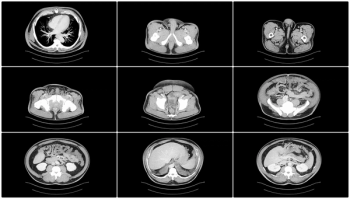
Greater imaging utilization has increased the prevalence of incidental findings or incidentalomas, but unclear clinical context and guidelines complicate management. Accordingly, these authors offer a thorough review of the literature and discuss new opportunities for improving interdisciplinary management strategies.
Catch up on the top radiology content of the past week.
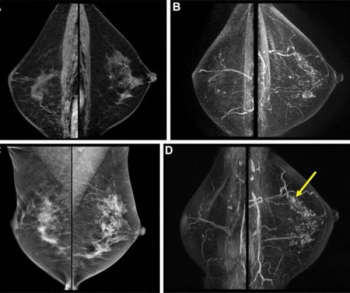
Mild, moderate, or marked background parenchymal enhancement on surveillance magnetic resonance imaging (MRI) reportedly doubles the risk of second breast cancer in women who have had surgery for primary breast cancer.
Catch up on the top radiology content of the past week.
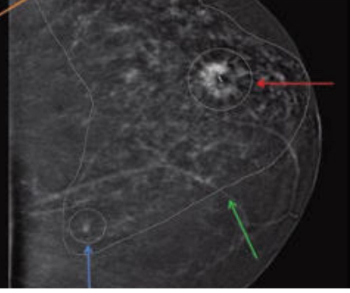
Researchers found the combination of magnetic resonance imaging (MRI) and contrast-enhanced mammography was nearly 22 percent more effective at detecting breast lesions than MRI-directed ultrasound.
Catch up on the top AI-related radiology content of the past month.

What is the diagnosis?
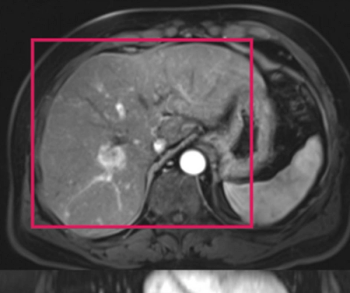
Noting that the machine learning model incorporating magnetic resonance imaging (MRI) had a higher mean area under the curve (AUC) than a model based solely on clinical features for predicting hepatocellular carcinoma recurrence, researchers said the study findings could have implications for refining liver transplant criteria.
Catch up on the top radiology content of the past week.
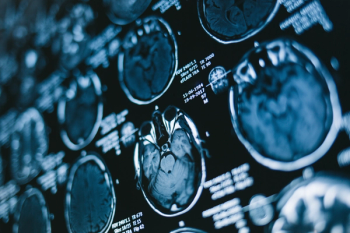
In comparison to neuroradiology assessment of brain magnetic resonance imaging (MRI) scans for tumor diagnosis, researchers found that adjunctive use of a deep learning system improved diagnostic accuracy by 12.4 percent and sensitivity by 33.5 percent in one test set of 300 patients.
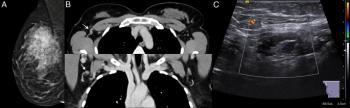
The combination of magnetic resonance imaging (MRI) and computed tomography (CT) had a 63.83 percent sensitivity rate for tumor-infiltrated axillary lymph nodes in patients with breast cancer in comparison to a 36.11 percent sensitivity rate for the combination of mammography and sonography.
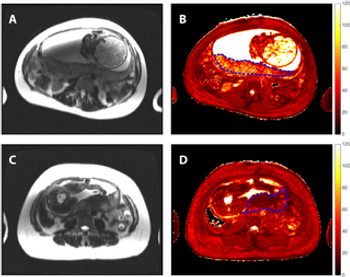
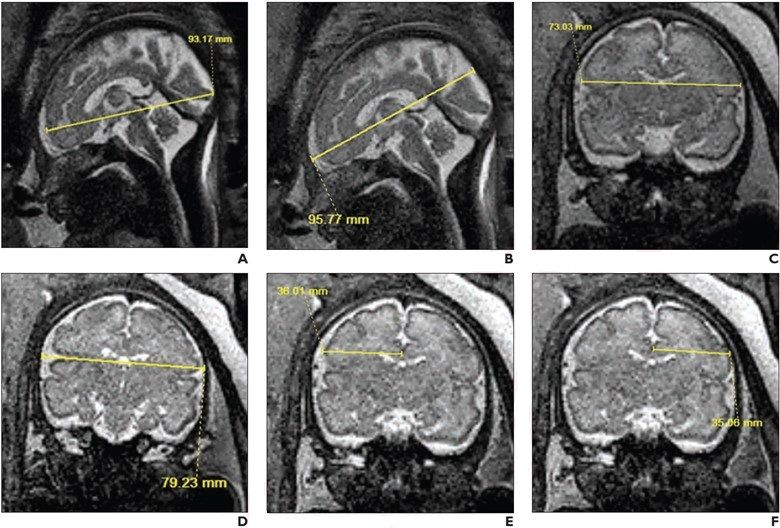
Emerging research suggests a robust association between pregnancy outcomes and placental measurements assessed via blood oxygen-level dependent magnetic resonance imaging (BOLD-MRI).
Sponsored Content
Canon Medical Systems offer a range of in-person and virtual educational opportunities for their clients.
Catch up on the top radiology content of the past week.
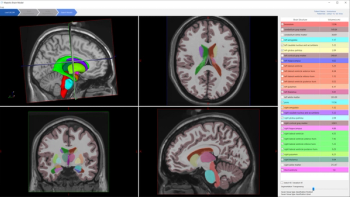
The Maestro Brain Model reportedly provides automated identification, quantification and labeling of brain structures on magnetic resonance imaging (MRI).
Catch up on the top radiology content of the past week.
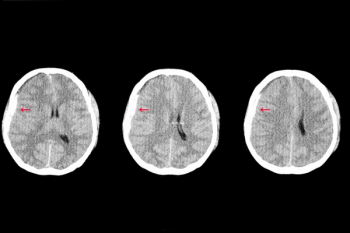
Viz.ai said the Viz Subdural Hematoma (SDH) artificial intelligence (AI) algorithm provides automatic detection of acute and chronic subdural hemorrhages, facilitating timely triage and treatment of patients.
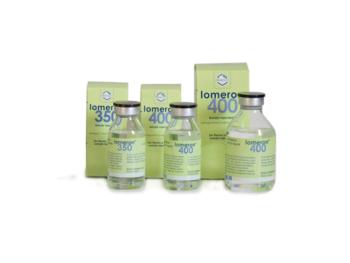
The imaging agent is approved for use in 50 countries in Europe and Asia, but is not currently approved in the US.
Catch up on the top radiology content of the past week.
In a video interview, Morris Panner, the president of Intelerad Medical Systems, discussed key observations from the recent Society for Imaging Informatics in Medicine (SIIM) conference, recent research about artificial intelligence (AI) adoption and emerging goals for enhancing the efficiency of radiology workflows.
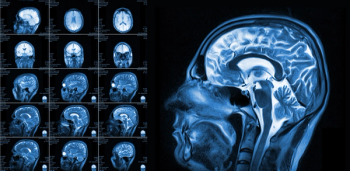
Utilizing susceptibility-weighted magnetic resonance imaging (MRI) in a study involving over 20,700 people, researchers found that drinking more than seven units (56 grams) of alcohol a week led to a higher accumulation of brain iron, which can trigger cognitive decline.