











Catch up on the top radiology content of the past week.
Catch up on the top radiology content of the past week.
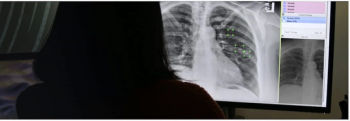
The artificial intelligence (AI)-enabled VisiRad XR reportedly demonstrated an 83 percent sensitivity rate for detecting lung nodules and masses on chest X-rays in one retrospective study.
The notion of non-physician practitioners (NPPs) attempting to do radiologist-level work is a very slippery slope and what this author refers to as the “bargaining” stage of grief.
Noting recent double-digit increases in health-care associated infections (HAIs) and potential vulnerabilities in radiology departments, this author emphasizes proactive preventive measures to protect patients and staff.
Superfluous pan scans have become standard for a vast majority of minor injury presentations in emergency room settings.
While it stands to reason that referring physicians would prefer a condensed summary of relevant imaging findings, vagaries with insurers, patients and other possible readers of the radiology report may warrant an inefficient minutiae-cluttered approach.
There are cases that warrant verbal communication with referring clinicians, but making that communication happen can, at times, be a challenging responsibility.
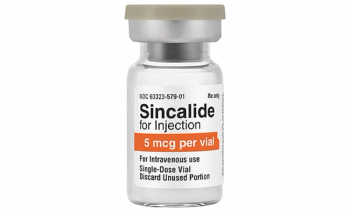
The injectable authorized generic reportedly facilitates gallbladder imaging as well as X-ray imaging of the intestinal tract.
When reviewing radiographs, computed tomography (CT) scans or magnetic resonance imaging (MRI) scans, do you still turn to mnemonics every now and then to jog your short-term memory?
Review the case study and test your knowledge to make the correct diagnosis.
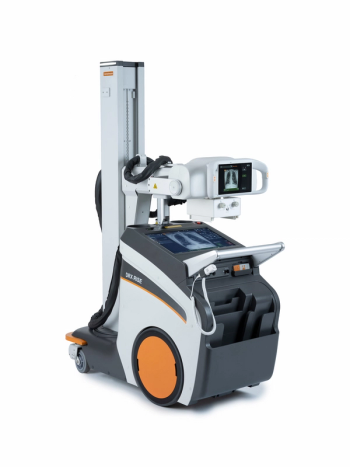
The DRX-Rise Mobile X-ray System reportedly combines optimal image quality with enhanced maneuverability and ease of use for radiologists.
Review the case study and test your knowledge to make the correct diagnosis.
Catch up on the top AI-related news and research from the past month.

Review the case study and test your knowledge to make the correct diagnosis.
Catch up on the top radiology content of the past week.

Is there a certain line of self-preservation in radiology reporting for findings and impressions?
Review the case study and test your knowledge to make the correct diagnosis.
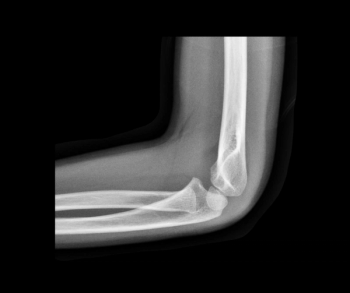
The artificial intelligence (AI)-enabled software, which has a documented 91 percent sensitivity rate for detecting pediatric fractures, is reportedly the first AI fracture detection modality to receive FDA 510(k) clearance for use in the pediatric population.
Catch up on the top radiology content of the past week.
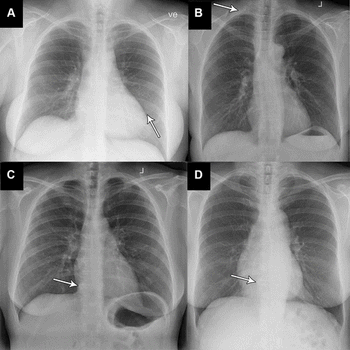
In a study of over 1,500 patients, researchers found that an emerging artificial intelligence (AI) modality had significantly higher sensitivity rates for abnormal posteroanterior chest radiographs and critical finding radiographs than radiology reports.
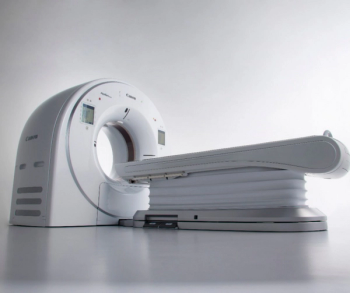
The new launches include the 80/160-slice computed tomography (CT) scanner Aquilion Serve, which allows simultaneous previews of axial, lateral and AP views, and Celex, a multipurpose X-ray system that offers automated and customizable features to help maximize workflow efficiencies.
From pagers, transcriptionists, and low-tech X-rays to teleradiology, advanced imaging and artificial intelligence (AI), this author considers the evolution of radiology over three decades.
Catch up on the top AI-related news and research in radiology over the past month.
Can more easygoing radiologists coexist with productivity-driven colleagues?

When you are asked about your occupation, how do you respond?