



Acknowledging the repetitive reality that accompanies productivity incentives and seemingly extraneous verbiage to satisfy certain insurance requirements in radiology, this author has developed an appreciation for filler-free brevity and quiet.
Acknowledging the repetitive reality that accompanies productivity incentives and seemingly extraneous verbiage to satisfy certain insurance requirements in radiology, this author has developed an appreciation for filler-free brevity and quiet.
For system errors and failures in radiology, are we prone to a satisfaction of search that prevents us from addressing deeper issues?
Is there an optimal pace for navigating the ebbs and flows of our worklists in radiology?
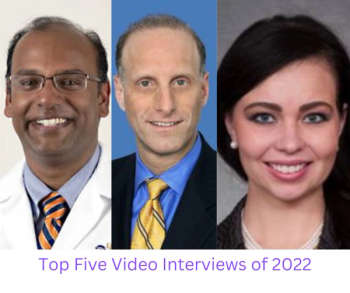
Catch up on the most well-viewed video interviews from Diagnostic Imaging in 2022.
In order to alleviate some of the challenges with radiology worklist overload, this radiologist suggests alternative approaches for conveying new imaging requests and priorities.
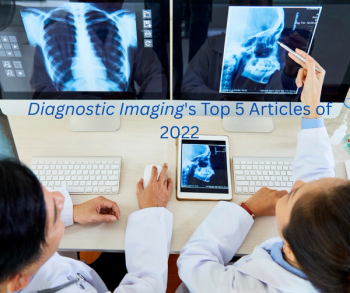
Touching on a variety of topics in radiology, here are the top five most well-read articles from Diagnostic Imaging in 2022.
Catch up on the top AI-related news and research of the past month.

Relief from looming reimbursement cuts, a PACS system that allows customized keyboard shortcuts and consistently relevant clinical histories are a few of the items on the wish list for this radiologist.
Catch up on the top radiology content of the past week.
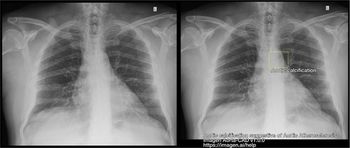
One study showed use of the Aorta-CAD cloud-based software led to a 62 percent reduction of missed aortic calcification that suggested aortic atherosclerosis.
Lamenting the deteriorating quality of clinical histories that radiologists receive from referring clinicians, this author comically speculates about clinical histories one may see in the near future.
Catch up on the top radiology content of the past week.
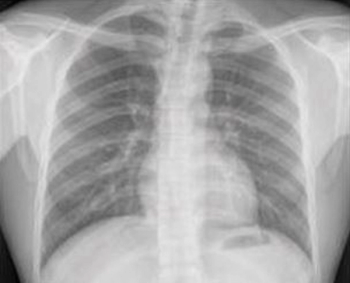
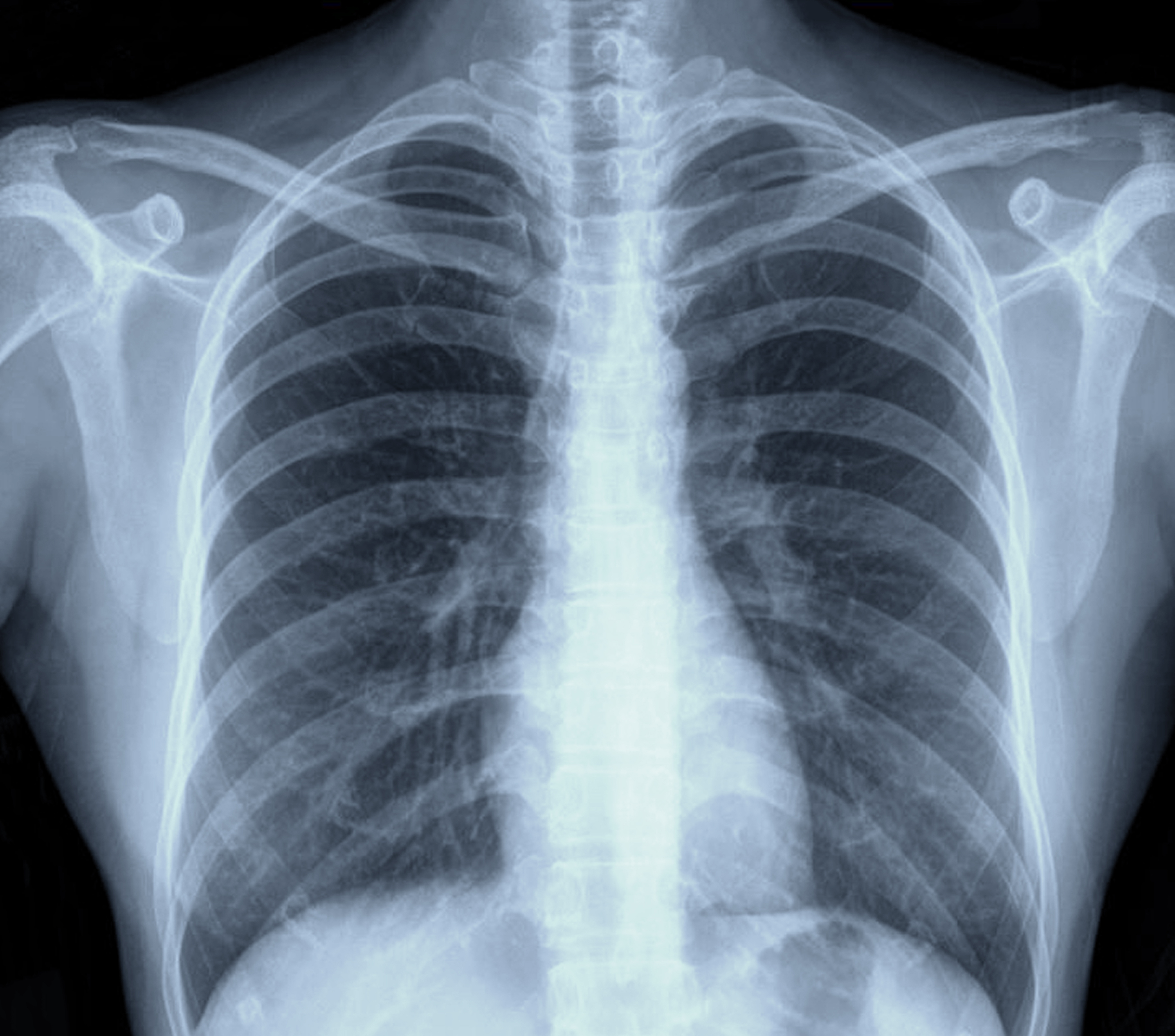
Based on a single existing chest X-ray image, the deep learning model predicts future major adverse cardiovascular events with similar performance to an established risk scoring system and may help identify people for preventive use of statin medication.

Building a career for the long haul requires a foundation of good life and work habits as well as an openness to innovation and change.
The ebbs and flows of worklists in radiology require equal parts productivity and preservation.
A new study of nearly 17 million emergency department (ED) visits by Medicare beneficiaries between 2005 and 2020 revealed the presence of non-physician practitioners (NPPs) was associated with a 5.3 percent increase in imaging.
Is due consideration of patient history, demographics, and previous imaging essential or a cheater’s crutch when assessing new imaging?
Catch up on the top radiology content of the past week.
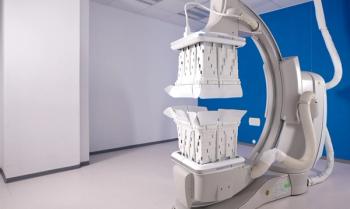
The automated head-to-toe shielding device, which reportedly blocks over 90 percent of radiation scatter to interventional radiologists and other clinicians, is now compatible with Siemens Artis fluoroscopy C-arm systems.
The AccE Glass-Free Detector reportedly combines high-resolution capability with a variety of benefits including improved functionality, enhanced visibility, and a lightweight design.
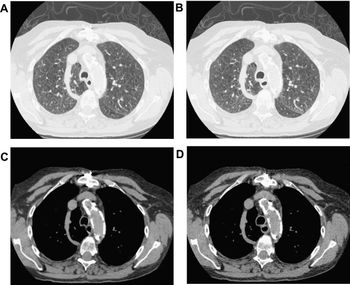
Rads will always have to deal with forces outside of their control, but it’s how we address those forces that makes us the type of radiologist we can be proud of.
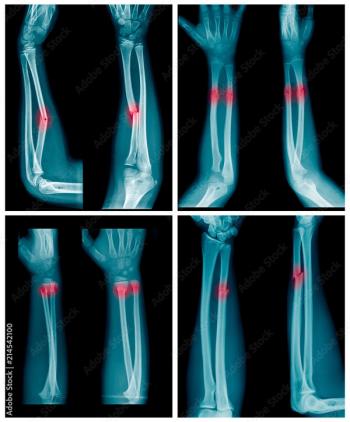
While facilitating interdisciplinary colloaboration is a central objective with enterprise imaging platforms, this author says implementation of these platforms must ensure optimal patient privacy in sensitive cases involving abuse, assault and domestic violence.
Catch up on the top radiology content of the past week.
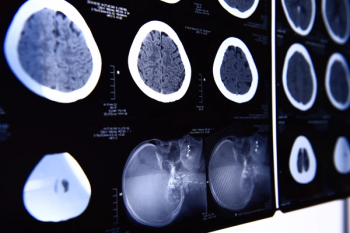
A multi-year agreement with a large Chile-based supplier of raw iodine is part of GE Healthcare’s commitment to increase the production of iodinated contrast media, commonly used in computed tomography imaging, by 30 million annually in 2025.
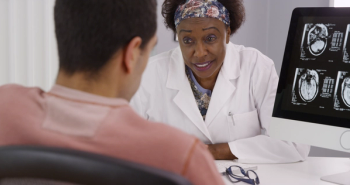
In a thorough review of the literature, these authors discuss current approaches and emerging initiatives to increase the understanding of radiology reports by referring physicians as well as patients.