















Given the challenges with the shortage of the iodinated contrast agent Omnipaque, national and state organizations have issued suggested risk mitigation and conservation strategies to reprioritize imaging needs during this temporary shortage.
Given the challenges with the shortage of the iodinated contrast agent Omnipaque, national and state organizations have issued suggested risk mitigation and conservation strategies to reprioritize imaging needs during this temporary shortage.


Could low-dose X-ray technology reinvent imaging exams for children?
Check out top radiology content from the past week.
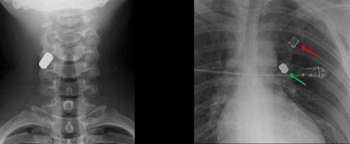
In a recent presentation at the American Roentgen Ray Society (ARRS) conference, researchers discussed pertinent considerations with imaging of gunshot wounds.
The AI-powered dental algorithm, Video Caries Assist, reduced missed cavities by 43%.
Addressing alternate realities may be common practice for radiologists when they are subjected to questionable or negligible patient histories.
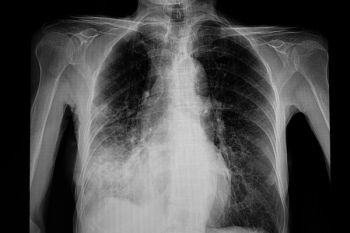
In a lung screening cohort of over 2,500 people, researchers found that significantly higher rates of chronic kidney disease and chronic heart failure were associated with increased hospitalization and mortality rates in patients with COVID-19.
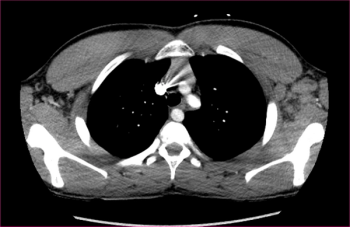
Lung opacities/consolidation and cervical/axillary adenopathy are reportedly common findings in emergency room imaging of patients suspected of having complications related to COVID-19 vaccines, according to new research presented at the American Roentgen Ray Society (ARRS) conference.
Review the top radiology content from the past week.

While there can be an array of challenges in outsourcing night coverage to teleradiology service providers, due diligence with contract terms can help mitigate costs and increase flexibility if radiology practices decide to switch teleradiology providers down the line.
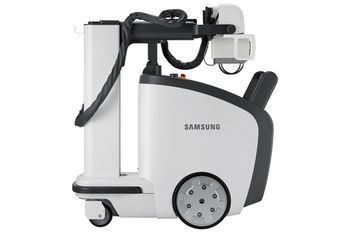
Offering enhanced operational capabilities and efficiency, the mobile digital radiography modality reportedly provides improved image quality and software that may help detect pulmonary nodules.
Review top radiology content from the week.
What is your diagnosis?

Does the assessment of complex cases in patients with multiple medical issues carry a certain psychological burden?
What is your diagnosis?

In a recent video interview, Arun Krishnaraj, MD, MPH and David Larson, MD, MBA, discussed the continued use of physical media to transport medical images between different health-care facilities, resulting inefficiencies and delays with patient care, and the initiative to create a linked multi-hub model to end this dated practice once and for all.
Review top radiology content from the week.
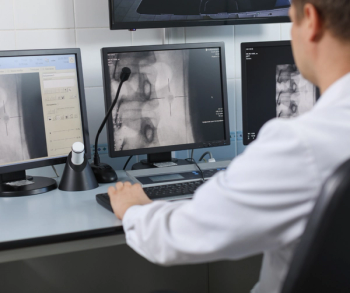
Artificial intelligence and other emerging technological advances may transform health-care certification, potentially improving access to best practice standards, increasing provider engagement, and bolstering collaboration.
Review top radiology content from the week.
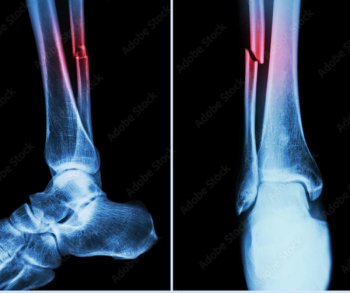
The authors of a new meta-analysis found no significant differences between clinicians and artificial intelligence in diagnosing fractures but conceded that slightly over half of the studies assessed had a high risk of potential bias.

What is your diagnosis?
Review top radiology content from the week.
Review top radiology content from the week.
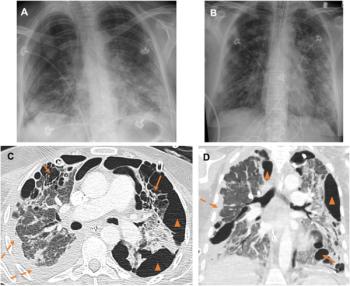
The retrospective study, which involved nearly 1,000 patients with COVID-19, found that a high initial chest radiograph severity score was an independent risk factor for intrathoracic complications.