

AI Coverage
about 22 hours ago
Diagnostic Imaging's Weekly Scan: September 27 — October 310 days ago
Advances in AI — September 2026Latest News
Oct 04, 2026 | News
Diagnostic Imaging's Weekly Scan: September 27 — October 3
Emerging Research Insights and New Advances in Neuroradiology
Oct 03, 2026
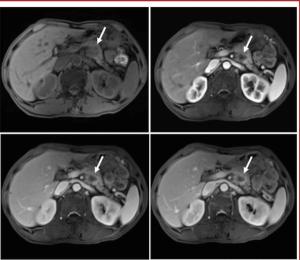
MRI, CT or Ultrasound: Which Modality Offers the Most Utility for Imaging of Pancreatic Cancer?
Oct 02, 2026
Current Perspectives on Integrating AI into Radiology
Oct 01, 2026
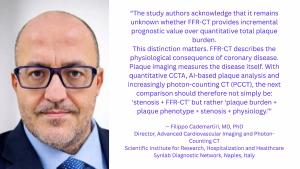
Raising Questions on the Prognostic Value of Fractional Flow Reserve from CCTA
Oct 01, 2026
Advertisement
Shorts
0:49
Could AI Deepen the Disparities with Breast Imaging Access?
3 days ago
by
Amy Patel, MD

0:57
Keys to Post-Deployment AI Monitoring in Radiology
3 days ago
by
Joseph Cavallo, MD, MBA
0:48
Can AI Improve Triage and Yield for Breast MRI?
4 days ago
by
Wendie Berg, MD, PhD
0:34
Could Diabetes Be a Key Trigger for Bone Loss and Cognitive Decline?
6 days ago
by
Shadpour Demehri, MD
0:38
How the COVID-19 Pandemic Led to Updated BI-RADS Guidance on Addressing Axillary Lymphadenopathy
11 days ago
by
Stamatia Destounis, MD, FACR

0:32
A Key Advantage of FET PET Over MRI for Glioma Imaging
12 days ago
by
Thomas Hope, MD

0:29
The Multi-Stakeholder Dilemma with Assessing Value and Costs of AI Integration
13 days ago
by
Christoph Wald, MD, PhD, MBA, FACR, Hon FRCP(Glasg)
0:50
Five Takeaways for Breast Radiologists from Guidelines on Proliferative Breast Lesions with Atypia and LCIS
14 days ago
by
Manisha Bahl, MD
0:42
Emphasizing the Need for More Research on Indication-Based DRLs for CT Imaging
18 days ago
by
Kalpana Kanal, PhD
0:34
Where We Are Seeing Traction with AI Reimbursement for Quantitative Algorithms
19 days ago
by
Lauren Nicola, MD
Podcasts
Videos











All News
Advertisement
Advertisement

In the first of a three-part podcast episode, Wendie Berg, MD, PhD, FACR, FSBI, Manisha Bahl, MD, and Amy Patel, MD share insights on the utility of AI in breast imaging with respect to potential advantages, current concerns and future directions.
Catch up on the most-well viewed radiology content in September 2026.

The BiPASS program, which combines 68Ga PSMA PET imaging with prostate MRI prior to the use of prostate biopsy, is slated to be evaluated in an impending phase 3 trial.
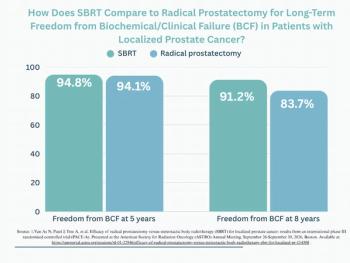
For patients with localized prostate cancer, stereotactic body radiotherapy (SBRT) offered comparable freedom from biochemical/clinical failure at eight years and nearly 40 percent lower urinary incontinence in comparison to radical prostatectomy, according to research presented at the ASTRO conference.
Catch up on the most well-viewed video interviews from Diagnostic Imaging in September 2026.
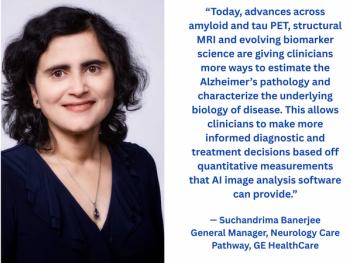
Given the increasing prevalence of Alzheimer’s disease and a staggering number of people with dementia who are undiagnosed, this author discusses five essential keys for radiologists and their colleagues to facilitate earlier detection, precision care treatment and monitoring to help ensure timely care and intervention.
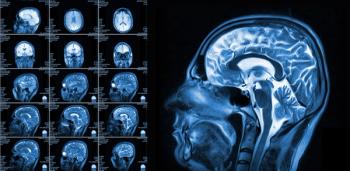
For patients with small cell lung cancer (SCLC), there was a 40 percent improvement in cognitive failure-free survival (CFFS) with brain MRI alone in comparison to the combination of brain MRI and prophylactic cranial irradiation (PCI), according to research presented at the ASTRO conference.
Constant grumbling from an attending radiologist about the road ahead may be a sign that his or her best teaching years may be in the rear-view mirror.
Catch up on a variety of FDA news in radiology from the past week.

Catch up on the top radiology content of the past week.
Advertisement
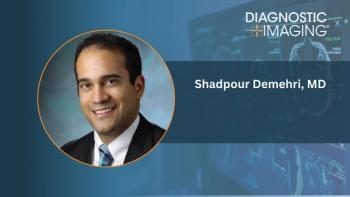
In a recent interview, Shadpour Demehri, MD, discussed new research examining connections between deep learning assessment of bone mineral density on chest CT, brain MRI data and the potential for enhanced risk stratification in patients with diabetes.
Catch up on the top AI-related news and research in radiology over the past month.
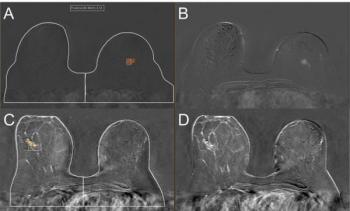
A deep learning model developed for predicting BI-RADS assessments from dynamic contrast-enhanced (DCE) breast MRI had over a 14 percent lower AUC than radiologist evaluation in external validation testing.
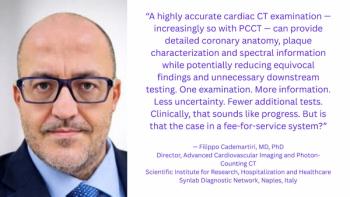
While better imaging may reduce the need for additional diagnostic tests, it may also eliminate the reimbursement that comes with those additional tests.
Offering telescoping and high-flow configurations, the TriNav Advance device reportedly provides interventional radiologists with improved access to small distal vessels during liver embolization procedures.
Advertisement
Advertisement
Trending on Diagnostic Imaging
1
Diagnostic Imaging's Weekly Scan: September 27 — October 3
2
The Reading Room Podcast: Current Perspectives, Challenges and Possibilities with AI in Breast Imaging, Part 1
3
Raising Questions on the Prognostic Value of Fractional Flow Reserve from CCTA
4
Emerging Research Insights and New Advances in Neuroradiology
5