
Cardiovascular MRI can help clinicians with diagnosis and prognosis of pulmonary hypertension in patients with COPD.
Cardiovascular MRI can help clinicians with diagnosis and prognosis of pulmonary hypertension in patients with COPD.
Magnetic resonance imaging screening is not consistent with guidelines for women at low to moderate risk for breast cancer.
Detecting clinically significant disease among PI-RADS category 3 lesions may be improved by incorporating clinical parameters into risk stratification algorithms.
Magnetic resonance imaging shows brain pattern alterations among pre-school children with autism spectrum disorder.
Automated analysis of radiology reports is as accurate as manual auditing, but less expensive overall.
Physicians more likely to order rib radiographs following minor chest trauma because of social and medico-legal issues rather than prescribing guidelines.
Targeted dose CT lung cancer screening does not have substantial effect on life-years saved among high risk groups.
Radiologists, particularly interventional radiologists, see sicker patients than many other physicians.
Using free text reporting for radiology studies vary considerably in length and are difficult to interpret as a result.
Imaging with FDG PET/CT may identify children and young adult osteosarcoma patients who may experience good outcomes.
Screening performance with MR imaging and mammography depends on breast cancer risk category.
Imaging with F-FDG PET/CT at three months after initial treatment demonstrates effectiveness of anti-PD1 treatment for Hodgkin lymphoma.
Patients want more information about the tests being performed.
An MRI procedure that does not use contrast agents may reduce the number of unnecessary breast biopsies.
Patients who are at low risk for pulmonary embolism can be safely assessed with clinical criteria.
Radiologic interpretation of CT scans can improve when requisitions contain clinical information.
Radiologists take longer to read images, and provide worse diagnostic performances after working a night shift.
Pretreatment MRI shows kurtosis may be promising biomarker for identification of triple-negative breast cancer.
3-T multisequence MR neuroimaging can impact short-term hearing ability, even when hearing protection is used.
Ultrasound images can help clinicians track low-suspicion thyroid nodules following fine-needle aspiration biopsies.
A comparison of gadolinium-based contrast agents shows the nonionic linear GBCA gadodiamide had the lowest allergic reaction rate.
Detecting clinically significant disease among PI-RADS category 3 lesions may be improved by incorporating clinical parameters into risk stratification algorithms.
CT screening of small pulmonary nodules may help determine cancer risk.
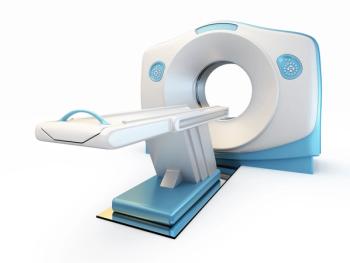
Multiparametric MRI may not show all prostate cancer lesions or may underestimate their size.
CT angiography can help clinicians detect cerebral aneurysms smaller than 3 mm.
Screening mammography based on cancer risk alone may miss many cancers.
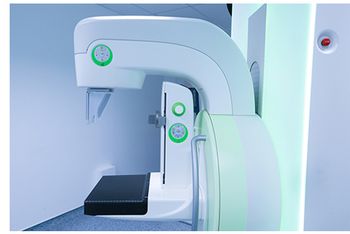
Supplemental imaging with CEDM may help detect cancer among women at high risk for cancer.

DTI to monitor patients with brain metastases may help physicians determine prognosis and response to immunotherapy.
Computed tomographic imaging of the colon demonstrates findings predictive for recurrent diverticulitis.
Using DBT as a screening tool does not significantly change BI-RADS category 3 classification.