

The company has captured 510(k) clearance for artificial intelligence-based software that facilitates brain and prostate image interpretations.
Whitney J. Palmer has been with Diagnostic Imaging since 2011, serving as the Senior Editor since November 2019. She has 20 years experience in healthcare and academic medicine reporting.
The company has captured 510(k) clearance for artificial intelligence-based software that facilitates brain and prostate image interpretations.
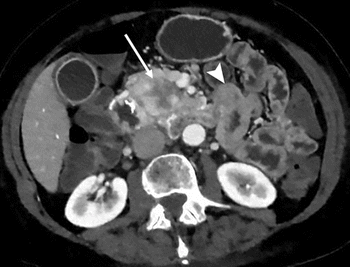
Both radiology residents and attending providers make more interpretive mistakes during evening and overnight hours.
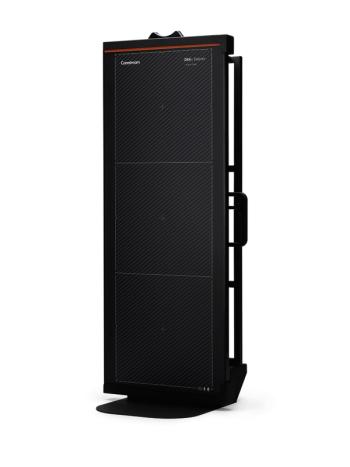
Multi-sensor device captures high-resolution images in seconds with single exposure to reduce dose.

Across racial and gender groups, CT scans that measure coronary artery calcium can more accurately predict the 10-year risk for heart attack.
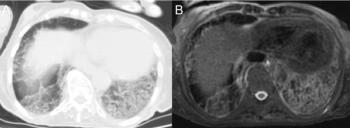
MRI offers high sensitivity and specificity, as well as positive and negative predictive value in detecting infection without the radiation.
Imaging volumes fell farther across most modalities in outpatient imaging centers and are taking longer to rebound.
The University of Cincinnati launched a 10-week program that led the department back to roughly 100-percent pre-COVID-19 levels.

Nearly 90 percent of providers report experiencing disabling pain at work with 30 percent indicating the pain prevents regular exercise.

A recent study reveals referring providers do not always read requested second opinions.
Abbreviated MRI; Low-Field Cardiac MRI; Contrast-Enhanced Breast Imaging; Obesity and Alzheimer's; and Neuroimaging and COVID-19

Implementing annual breast cancer screening a woman’s 40 can significantly reduce her mortality risk.

Images reveal hypertension can be significant risk factor for CSVD.

Knowing what causes screening delays and how to safely assess risks can streamline your MR imaging.

Abbreviated MRI protocols can detect and diagnose breast cancer as well as full-protocol MRI.

Referring physicians will have until after 2021 to adopt appropriate use criteria and clinical decision support.
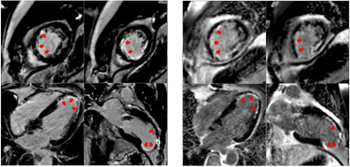
Performance of 0.55T MRI is comparable to 1.5T MRI in acquiring and interpreting late gadolinium enhancement in patients suspected of myocardial infarction, research shows.

Support for continued teleradiology after the pandemic is strong, but some concerns exist.
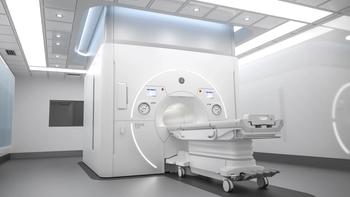
Products focus on Alzheimer’s disease, traumatic brain injury, and accelerating clinical translation.
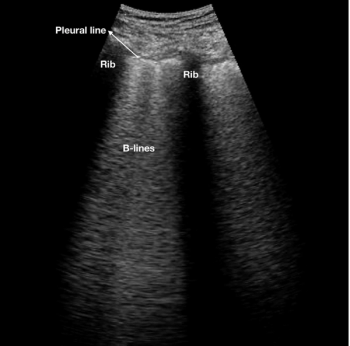
Lung ultrasound scans pinpoint lingering lung damage in patients who meet clinical parameters for hospital discharge, alerting doctors to patients who will need longer-term care.
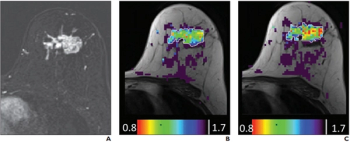
Limitations in contrast enhancement standardization indicate unenhanced diffusion measurement should be preferred.
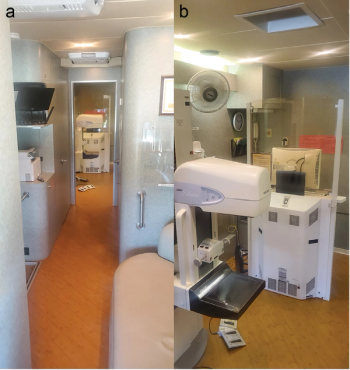
Houston-area mobile mammography program brings screening mammography and access to diagnostic services to women who have barriers to care.
Provider-distributed cards facilitate same-day mammogram screenings for women in racial and ethnic minority groups.
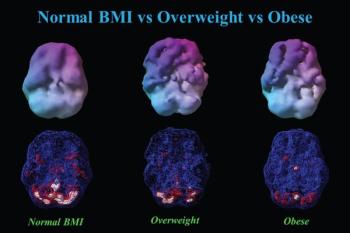
Brain imaging shows blood flow to the brain progressively reduces as a person’s weight increases, promoting the development of Alzheimer's.
Nations with lower breast imaging recall rates and high mammography compliance are less likely to view digital breast tomosynthesis as a cost-effective screening option.
Pediatric Imaging Increase, Appropriate Use Criteria, Radiology Residency Pandemic Branding, Snapchatting Emergency Images

From fashioning a vision to creating a cohesive team to fixing problems, these leadership strategies can strengthen your practice and improve productivity.

Paying attention to these requirements and regulations can help you avoid Medicare over-payments and any potential suggestions of fraud.

More than 90 percent of practices applying for assistance submitted to two or more programs.

Medical imaging and data center will support development of artificial intelligence and medical advancements during the pandemic.
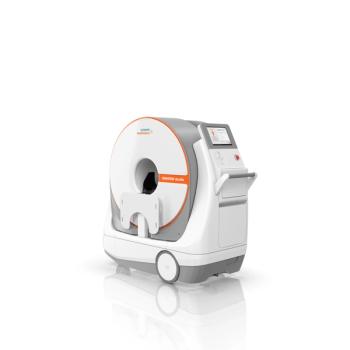
U.S. Food & Drug Administration grants 510(k) clearance for SOMATOM On.site.