
Scans show increased knee degeneration in overweight or obese patients who play fast-paced racket sports.
Scans show increased knee degeneration in overweight or obese patients who play fast-paced racket sports.
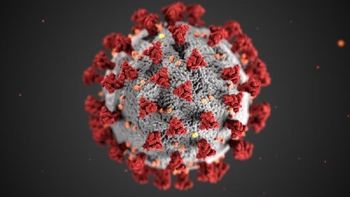
Plans for the Radiological Society of North America annual meeting changed for only third time in Society history.

Volpara Solutions Chief Knowledge Officer Julian Marshall talks with Diagnostic Imaging about the impetus and impact of the partnership with ScreenPoint Medical
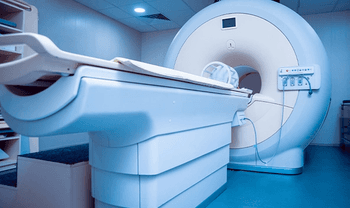
How-to guidance for using abbreviated MRI as a screening tool.
On-device AI algorithms pinpoint suspected pneumothorax, alerting radiologists sooner.
Third annual RADxx award winners announced during RSNA 2019.
Dynamic Digital Radiography (DDR) offers diagnostic solution for musculoskeletal injuries.
GE unveils industry's first contrast-enhanced mammography biopsy solution.
Bedside, mobile CT changes head scans for critically ill patients.
New cloud platform allows facilities to schedule technologists based on availability and skill set.
One-stop-shop for artificial intelligence applications launched.
Tools enable radiologist access to artificial intelligence.
Tools designed to improve image acquisition.
Scanner geared toward improved patient experience and image quality.

No longer in its infancy, AI is beginning to make real waves in radiology. Here's how.

Radiology-and healthcare as a whole-has a trust problem, but blockchain could be the answer.

The theme of this year’s show was AI-but what does that mean?
Involving patients in research and clincial communications can improve care.
Experts at RSNA 2017 give examples of imaging informatics strategic plans.

Tips for millennial radiologists and the people who work with them.
Watch out for biases in radiology.
Technology is changing how patients consume radiology results.
Experts at RSNA 2017 advise radiologists on avoiding burnout.
Radiology's AI players.
Experts at RSNA 2017 encourage price transparency and structured radiology reports.
Recent FDA review process of inconclusive clinical studies creates a potentially unhealthy decision-making environment for patients needing gadolinium-enhanced MRIs.