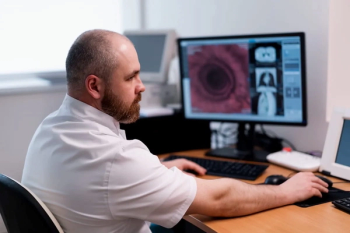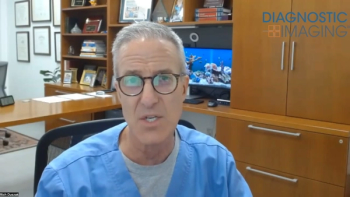
In a recent interview at the RSNA conference, Shadpour Demehri, MD and Kamyar Moradi, MD discussed new brain MRI research findings that demonstrated a link between increased dementia risk and sarcopenia with the temporalis muscle.

In a recent interview at the RSNA conference, Shadpour Demehri, MD and Kamyar Moradi, MD discussed new brain MRI research findings that demonstrated a link between increased dementia risk and sarcopenia with the temporalis muscle.

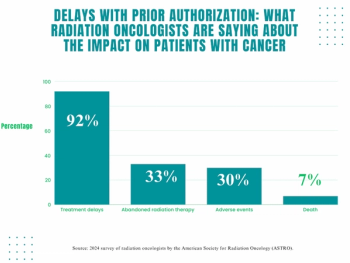
Sixty-eight percent of radiation oncologists said average delays with prior authorization are five days or more, and seven percent of survey respondents said these delays have been a contributing factor in the death of cancer patients.

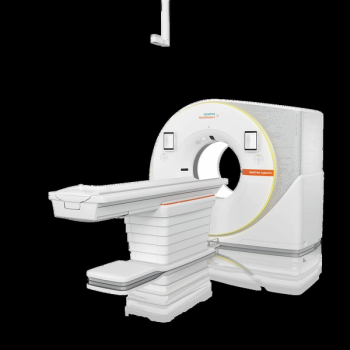
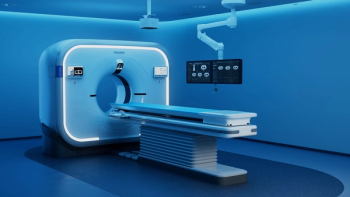
The computed tomography device reportedly offers enhanced post-processing of images as well as bolstered image reconstruction capabilities with an 80 percent reduction in radiation dosing.

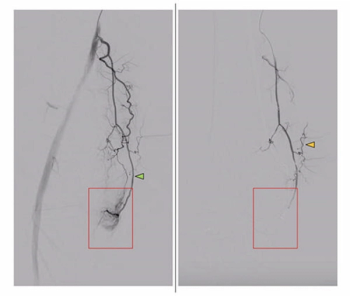
In a cohort of over 160 patients with knee osteoarthritis (OA), including grade 4 in nearly half of the cases, genicular artery embolization led to an 87 percent improvement in the quality of life index, according to research presented at the recent RSNA conference.

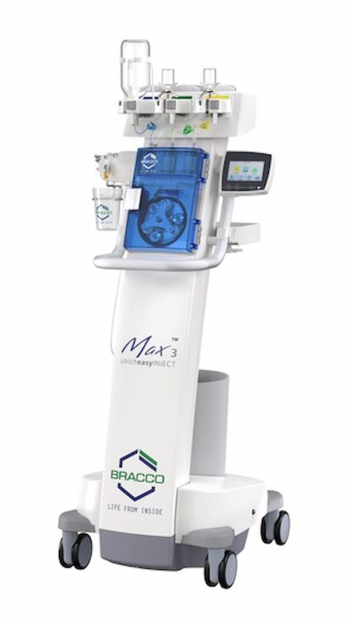
The Max 3 syringe-less injector reportedly offers improved efficiency and intuitive features with contrast media use for magnetic resonance imaging.

While seemingly extraneous imaging requests may lead to annoyance and frustration, there are some common contributing factors that may be at the root of these requests.

Debuting at the Radiological Society of North American (RSNA) conference, the new photon-counting computed tomography (PPCT) scanners Naeotom Alpha.Pro and Naeotom Alpha.Prime reportedly combine rapid scan times with high-resolution precision.

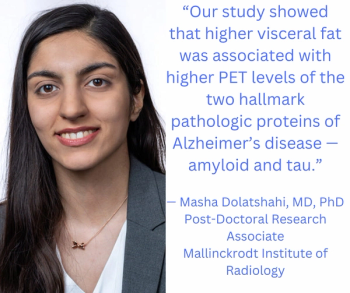
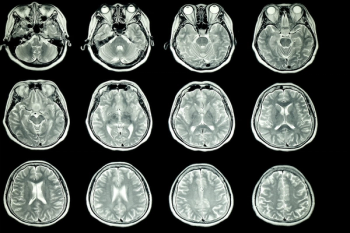
Higher visceral adipose tissue reportedly accounted for 77 percent of the association between Alzheimer’s disease and high body mass index (BMI), according to new research presented at the Radiological Society of North America (RSNA) conference.
Catch up on the top radiology content of the past week.

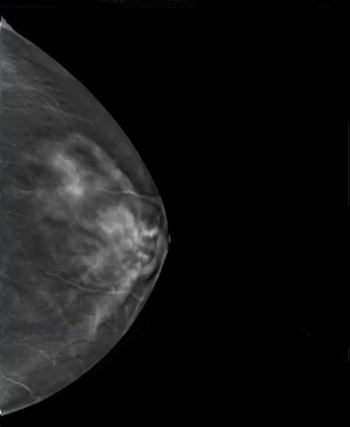
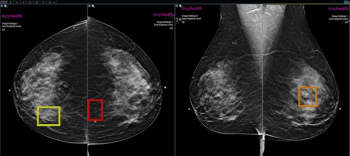
Originally cleared by the FDA in 2021, the SmartMammo Dx software for digital breast tomosynthesis (DBT) can now be utilized with the Senographe Pristina mammography systems from GE HealthCare.

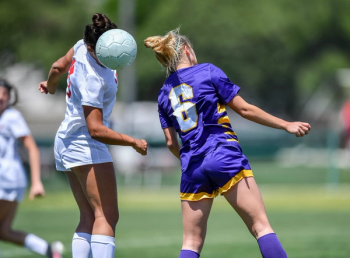
Higher repetitive head impacts in adult soccer players were associated with lower fractional anisotrophy and a higher orientation dispersion index in the frontal lobe, orbitofrontal cortex, and the parietal lobe, according to diffusion MRI findings to be presented at the Radiological Society of North America (RSNA) conference.
Catch up on the top AI-related news and research in radiology over the past month.

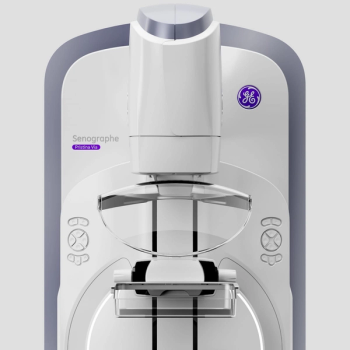
The new mammography system reportedly offers features that promote workflow efficiency as well as patient comfort.

Slower aperiodic activity on magnetoencephalopathy may be associated with higher post-concussion symptomatology in high-school football players, according to new research to be presented at the Radiological Society of North America (RSNA) conference.
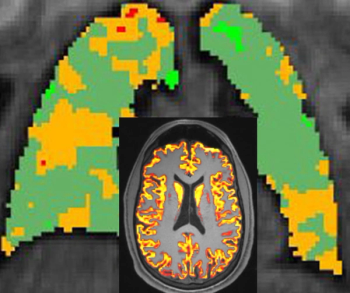
For patients with Long Covid, lower pulmonary gas exchange may be associated with lower gray and white matter volume, according to new MRI research to be presented at the Radiological Society of North America (RSNA) conference.
Through AI technology, Neurophet AQUA now provides multiple sclerosis (MS) analysis with a combination of lesion quantification and enhanced segmentation of T2-FLAIR MRI.

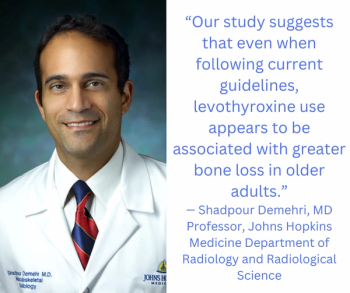
Use of the medication levothyroxine, commonly prescribed for hypothyroidism, was associated with greater long-term loss of total body bone mass in seniors, according to new DEXA research to be presented at the Radiological Society of North America (RSNA) conference.
As recommendations have become a commonplace expectation on radiology reports, is there a point where we are crossing the line?

Catch up on the top radiology content of the past week.

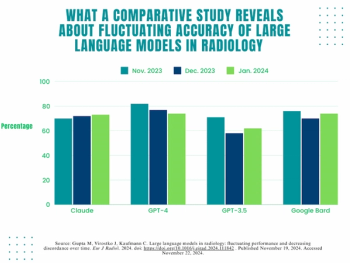
While GPT-4 demonstrated higher overall accuracy than other large language models in answering ACR Diagnostic in Training Exam multiple-choice questions, researchers noted an eight percent decrease in GPT-4’s accuracy rate from the first month to the third month of the study.

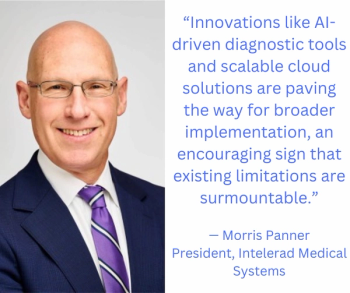
Emerging trends with artificial intelligence and cloud technology may reinvent efficiency and scalability with radiology workflows.
Utilized in conjunction with hyperpolarized Xenon-129 for the assessment of lung ventilation, the chest coil can now be employed in the Signa Premier and Discovery MR750 3T MRI systems.

Offering a variety of AI-enabled tools to facilitate radiology workflow efficiency, the BlueSeal MRI system is reportedly the first wide bore, helium-free 1.5T MRI platform in the field.

In a recent interview, Richard Duszak, MD, discussed new study findings that showed over nine percent annual increases in ultrasound, CT and MRI interpretation by office-based non-physician practitioners (NPPs) between 2013 and 2022.

The AI-enabled EchoGo® Amyloidosis software for echocardiography has reportedly demonstrated an 84.5 percent sensitivity rate for diagnosing cardiac amyloidosis in heart failure patients 65 years of age and older.

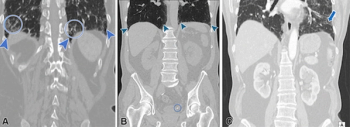
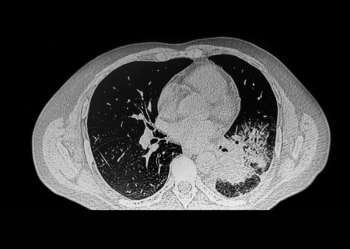
While a large retrospective study found that interstitial lung abnormalities (ILAs) were evident on 1.7 percent of computed tomography (CT) scans, researchers found that 43.9 percent of ILAs, including fibrotic ILAs, were not reported.

For patients undergoing curative treatment for lung cancer, coronary artery calcification scoring via computed tomography has a 97 percent likelihood of determining their risk for major cardiovascular events, according to a new meta-analysis.

Agreement on follow-up imaging was 41 percent more likely with recommendations by thoracic radiologists and 36 percent less likely on recommendations for follow-up nuclear imaging, according to new research.

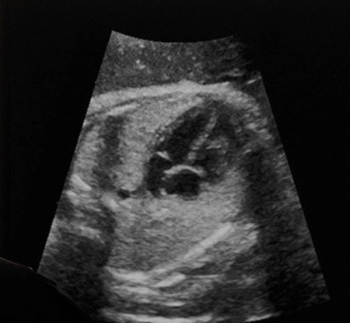
Reportedly developed on over 90,000 ultrasound exams, the BrightHeart AI software identifies suspicious findings suggestive of congenital heart defects through AI-powered evaluation of fetal heart morphology.

If we were freed from medicolegal concerns and third-party overseers, would we thrive?