
In an interview at the recent RSNA conference, Chris Davis, DMSc, PA-C, RT, discussed key considerations with the integration of advanced practice providers (APPs) into radiology.
In an interview at the recent RSNA conference, Chris Davis, DMSc, PA-C, RT, discussed key considerations with the integration of advanced practice providers (APPs) into radiology.
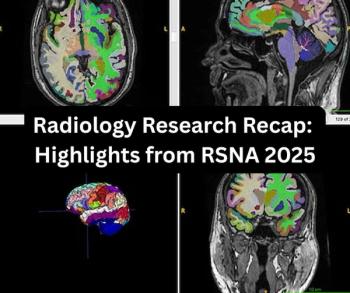
Catch up on the latest CT, MRI, ultrasound and PET imaging research from the recent RSNA conference.
In a reeent interview, Jenifer Pitman, M.D., discussed key findings from a large knee MRI study, presented at the RSNA conference, which demonstrated significant gender differences with ACL, MCL and medial meniscal injuries.
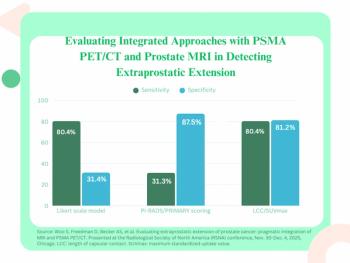
In a comparative study presented at the recent RSNA conference, researchers found that the combination of capsular contact length from MRI and SUVmax data from PSMA PET/CT yielded greater than 80 percent sensitivity and specificity for extraprostatic extension.
In an interview at the recent RSNA conference, Sriyesh Krishnan, M.D., discussed pertinent principles in assessing AI models, ongoing monitoring of the adjunctive value and an unyielding focus on patient care.
In a recent interview at the RSNA conference, neuroradiologist Emanuel Kanal, M.D., discussed key findings from a committee of the American Board of Magnetic Resonance Safety with respect to MRI technologist responsibilities and how the advent of remote MRI scanning and related protocols may lead to increased MRI safety.
Catch up on the latest research and insights from Constance Lehman, M.D., Rajesh Bhayana, M.D., Stamatia Destounis, M.D., and more with Diagnostic Imaging interviews from the recent RSNA conference.
In a recent interview, Tyler Coombes, M.D., and Parth Patel, M.D., discussed recent research, presented at the RSNA conference, which suggested that quantitative evaluation of non-calcified plaque volume (NCPV) may offer significant utility for cardiovascular risk stratification.
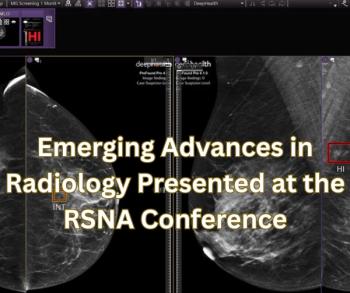
Whether it was a new advance in 3T MRI, emerging mammography-based AI technology, promising enterprise imaging platforms or new ultrasound devices, here is a recap of some of the product innovations launched or showcased at the annual RSNA conference.
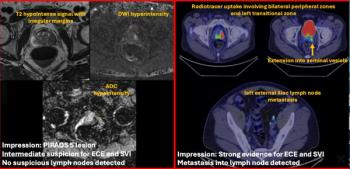
Noting limitations of prostate MRI and advantages of PSMA PET/CT for detecting extraprostatic extension and lymph node involvement, researchers explored the potential utility of standalone PSMA PET/CT in prostate cancer staging in a review presented for the RSNA conference.
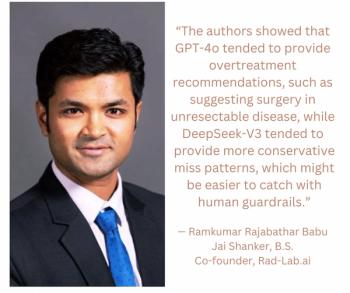
Reviewing an array of study presentations from the recent RSNA meeting, this author discusses insights from emerging research, ranging from the use of large language models (LLMs) in radiology reports to the potential impact of LLM assistance in differential diagnosis for brain MRIs.
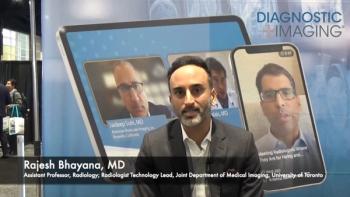
In a recent interview at the RSNA conference, Rajesh Bhayana, M.D., discussed current research findings on the use of large language models (LLMs) in radiology and emerging LLMs that may have an impact.

In a recent interview at the RSNA conference, Roland Rott shared his perspective on the planned acquisition of Intelerad by GE HealthCare along with insights on key synergies and future directions.
In a recent interview at the RSNA conference, Manisha Bahl, M.D., discussed new research examining the use of slab reconstruction technology with digital breast tomosynthesis (DBT), and its potential in reducing interpretation time and imaging volume.
In a recent interview at the RSNA conference, Talissa Altes, M.D., and Konstanze Diefenbach, M.D., discussed the potential utility and recent research findings on the use of the MRI contrast agent gadoquatrane for pediatric patients.
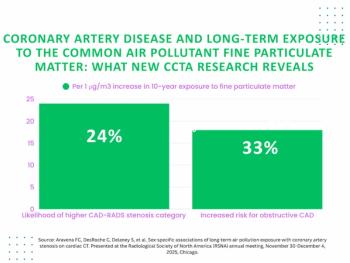
For men with a 1 μg/m3 increase in ten-year exposure to fine particulate matter, a common air pollutant, there was a 47 increased likelihood of moving to a higher CAD-RADS stenosis category, according to new coronary CT angiography research presented at the Radiological Society of North America (RSNA) conference.
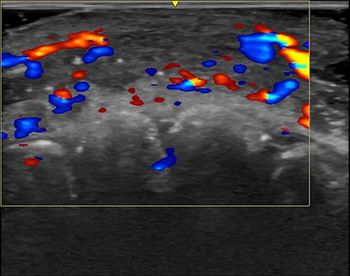
Absent flow to perforator vessels in the face occurred in over 40 percent of women who had cosmetic fillers, according to new vascular ultrasound research presented at the RSNA conference.
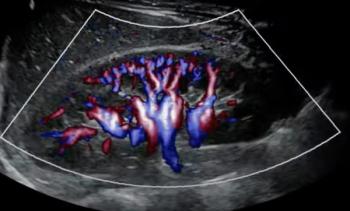
The Resona A20 device reportedly provides advances in imaging and AI automation along with an intuitive ergonomic design for ease of use.
In a recent interview at the RSNA conference, Constance Lehman, M.D., Ph.D., discussed new research, which compared image-based AI for mammography versus breast density assessment in evaluating breast cancer risk.
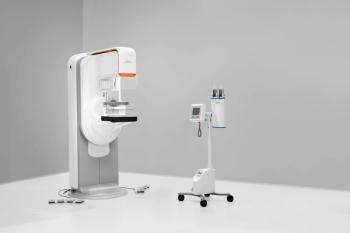
The addition of ClearCEM to Mammomat B.brilliant devices reportedly enhances differentiation of suspicious areas in image reconstruction and facilitates improved accuracy with tomosynthesis-guided biopsies.
In a recent interview, Stamatia Destounis, M.D., discussed new research, which showed that over 20 percent of breast cancer was detected in women under 50 years of age and that 80 percent of these cases involved invasive breast cancer.
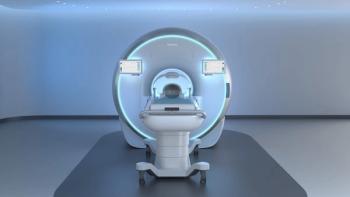
Reportedly the first MRI platform with a helium-free 3T magnet, the BlueSeal Horizon device offers a variety of AI-powered features as well as enhanced 3D image reconstruction.
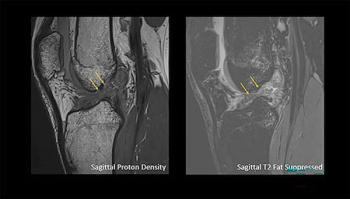
In a study of over 13,000 patients who presented with knee pain, MRI data demonstrated a 20 percent higher prevalence of anterior cruciate ligament (ACL) tears in men than women.
Deep learning assessment of adrenal gland volume on computed tomography (CT) scans may provide an objective assessment of chronic stress with significant links to adverse cardiovascular outcomes, according to new research to be presented at the Radiological Society of North America (RSNA) annual meeting.
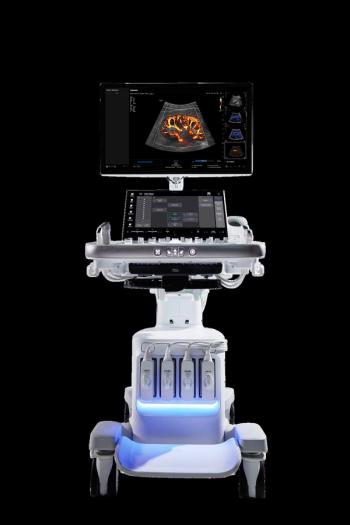
Combining AI advances and ergonomic innovation, the R20 ultrasound platform reportedly offers a variety of automated tools and design features to facilitate a smoother, efficient imaging workflow.
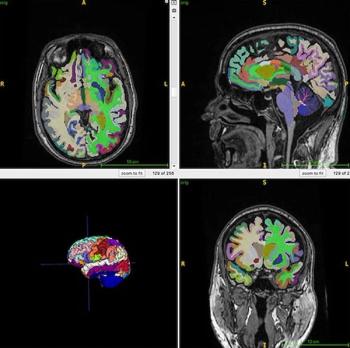
In MRI findings to be presented at the upcoming RSNA meeting, researchers demonstrated that the combination of higher muscle mass and lower visceral fat may have an impact on brain aging.
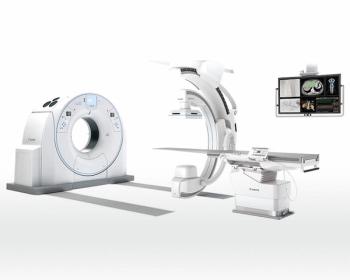
Geared toward interventional radiologists, the Alphenix 4D CT with Aquilion One/Insight Edition combines angiography capabilities with advanced features in computed tomography.

The Synapse One platform reportedly offers a variety of enterprise imaging capabilities and may facilitate reduced third-party integration complexities and costs.
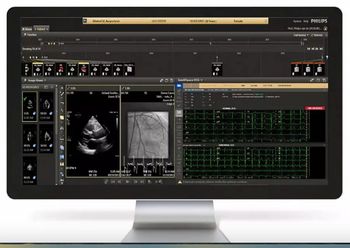
The latest update of the Cardiovascular Workspace software reportedly emphasizes secure cloud deployment and accelerated adoption of AI tools for increased efficiency.
In the third part of a three-part interview from the recent RSNA conference, Mark Traill, M.D., discusses the potential of image-based risk assessment artificial intelligence (AI) algorithms in bolstering adherence to screening protocols for women at high risk for breast cancer.