

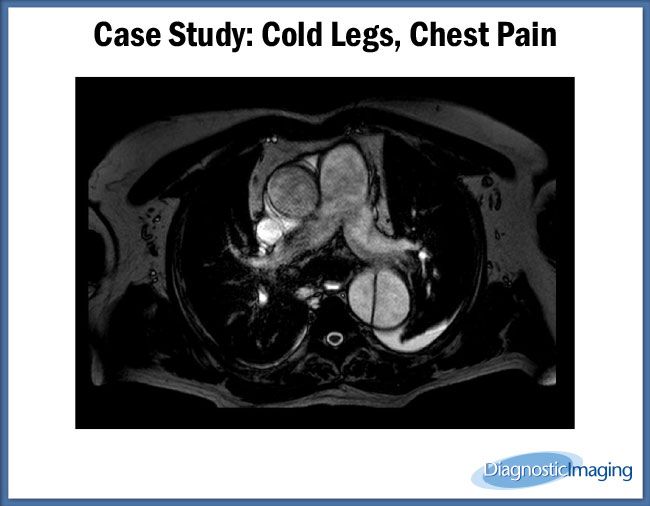












Case History: 68-year-old female with progressive shortness of breath, history of a complex congenital heart disorder.
Case History: 68-year-old female with progressive shortness of breath, history of a complex congenital heart disorder.

Why it’s important for radiologists to focus on appropriateness of ER cardiac imaging.
Inappropriate cardiac imaging drops when interventions are subject to physician audits and feedback.
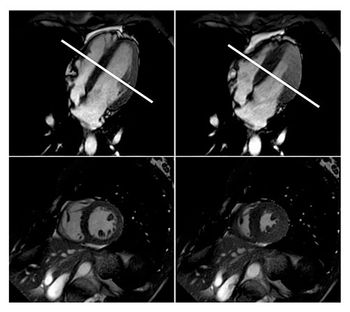
CHICAGO-MRI shows significant changes to the heart of elite free divers.
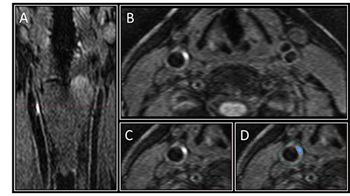
MRI finds possible marker for cardiovascular disease among asymptomatic diabetics.

Non-invasive CTA is more accurate in detecting coronary artery disease among symptomatic patients than SPECT-MPI.

Using MRI to image the left ventricle shows more precise measurements of the heart.

Choosing Wisely recommendations need further implementation in order to see a drop in unnecessary medical procedures.

CT not always necessary for adult patients presenting with blunt trauma to the chest.
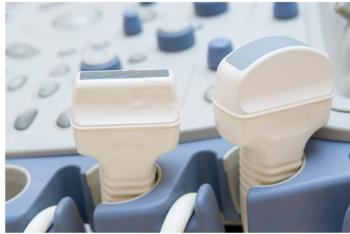
Ultrasound screening for abdominal aortic aneurysm would save more lives of people aged 75 or older, rather than nonsmoking 65-year-olds.

CCTA, when combined with calcium scoring, can rule out coronary artery disease in women with atypical chest pain.

This Q&A series explores radiology’s role in overdiagnosis in a variety of conditions. Here, we discuss left ventricular noncompaction cardiomyopathy.

Computed tomography angiography may show significant incidental findings that ED physicians should act upon.

Doses over 7.5 mSv of radiation from cardiac CTA cause cellular damage.
Imaging with electron beam tomography or CT helps determine plaque build-up in coronary artery calcification among asymptomatic patients.
Patients who undergo coronary CT angiography receive lower radiation doses and are more pleased with the experience than with MPI.
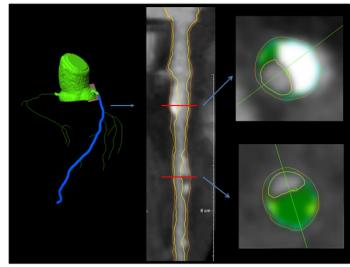
Coronary CT angiography detects links between arterial plaque, diabetes, blood pressure, and cholesterol levels.
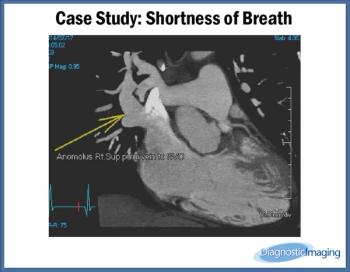
Case History: 60-year-old female with shortness of breath worsening with exertion and fatigue.

A CT protocol with lower radiation and contrast dose for aortic assessment provides acceptable diagnostic imaging.

Radiation exposure during angiography might be decreased if radiologists can view the images on wide screens.
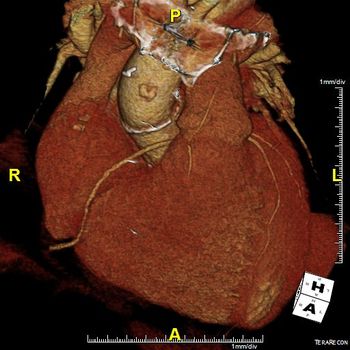
74-year-old with history of aortic valve repair at an outside hospital.
Cardiac and abdominal imaging performed by residents using a pocket-size ultrasound increases diagnostic accuracy.

Coronary CT imaging may help clinicians identify patients with suspected angina who may go on to have myocardial infarction.

Use of some cardiac imaging improved after implementation of appropriate use criteria, but not for all tests.
Clinicians using ultrasound may detect potential heart attacks or strokes before patients show symptoms.