













In recently issued statements, different radiology organizations have offered perspectives on the physician-patient relationship and the potential impact of the Supreme Court’s decision to overturn Roe v. Wade.
In recently issued statements, different radiology organizations have offered perspectives on the physician-patient relationship and the potential impact of the Supreme Court’s decision to overturn Roe v. Wade.
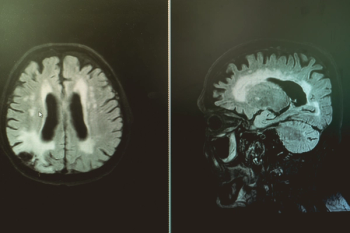
Emerging research with brain magnetic resonance imaging (MRI) scans shows that postmenopausal women have higher amounts of white matter hyperintensities that may lead to elevated risks for cognitive dysfunction and stroke.

Calantric™ Digital Solutions reportedly offers artificial intelligence (AI)-powered apps, bolsters lesion detection, facilitates triage priorities and enhances workflow efficiency.
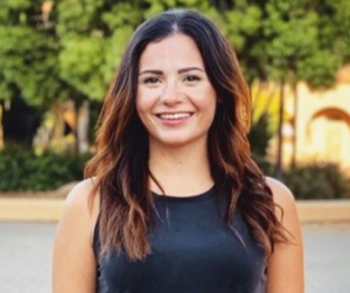
In a recent video interview, neurologist Pardis Zarifkar, MD discussed a new study that found significantly elevated risks for Alzheimer’s disease and Parkinson’s disease among patients who tested positive for COVID-19.
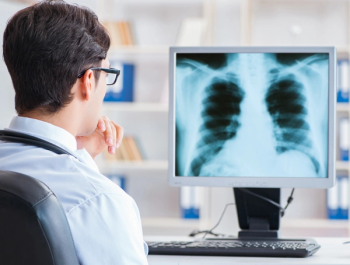
Does excess boilerplate verbiage hamper the review of radiology reports by referring physicians?
Catch up on the top radiology news of the past week.
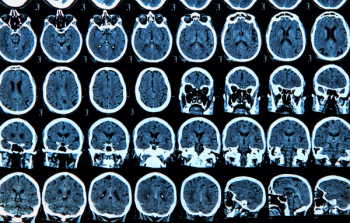
Emerging research showed that patients with COVID-19 had 3.5 times the risk for developing Alzheimer’s disease and 2.6 times the risk for Parkinson’s disease in comparison to those who did not have COVID-19.
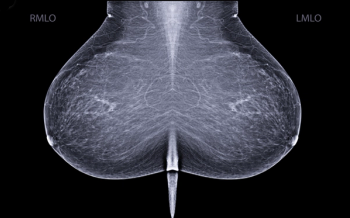
The review of breast cancer screening guidelines from the United States and abroad summarized current recommendations on modalities, intervals, and screening age considerations.
Recognizing the significant potential for workplace injuries in the radiology field, these authors discuss the proactive benefits of optimal positioning and disruptions of static posture as well as a heightened management awareness of ergonomic solutions and potential issues in maneuvering mobile imaging units.
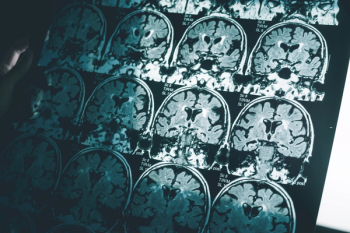
New research suggests that an emerging predictive biomarker, derived from a combination of magnetic resonance imaging (MRI) brain scans and a machine learning algorithm, has significantly greater accuracy than previously established measurements for diagnosing Alzheimer’s disease.
The radiopharmaceutical is already approved for use in PET imaging in men with suspected prostate cancer recurrence.

What is your diagnosis?

As the iodinated contrast media shortage continues to have a significant adverse effect on radiology, these authors assess the pros and cons of emerging strategies and imaging alternatives.

In a recent video interview, abdominal radiologist Sonia Gupta, MD discussed key principles in assessing potential alliances with artificial intelligence (AI) vendors and the potential of AI to alleviate the time-consuming, administrative aspects of patient care.
Catch up on the top radiology content of the past week.
Despite increased use of preoperative magnetic resonance imaging (MRI) in recent years for patients undergoing surgery for prostate cancer, a study found that over 70 percent of a large Medicare population with prostate cancer did not have a preoperative MRI scan as of 2015.
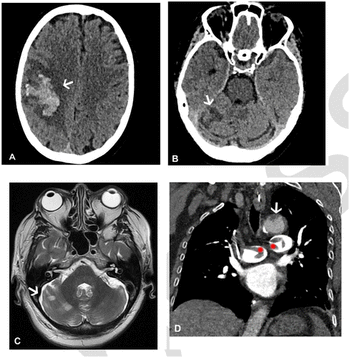
In what may be the largest study to date to examine the use of whole-body imaging to assess multisystem thrombosis in patients with COVID-19 vaccine-induced immune thrombotic thrombocytopenia, researchers found multiple sites of thrombosis in 83 percent of patients who had additional CT, MRI and/or ultrasound imaging beyond the area of their primary complaint.

Whether it is humorous associations with common terminology, oddities on X-rays or decidedly uncomfortable imaging findings, this author shares a few chuckles from his experience.
Catch up on the top radiology content of the past week.
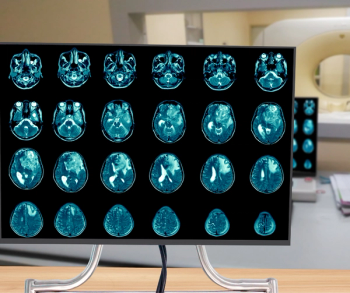
The deep learning model may offer enhanced sensitivity and specificity on MRI for patients with glioblastoma, according to preliminary research presented at the Society for Imaging Informatics in Medicine (SIIM) conference.
The new workload management system reportedly emphasizes predictive analytics to facilitate efficient workload distribution and increase reading capacity for radiologists.
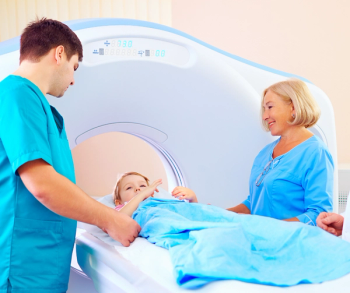
In a newly published statement, the American College of Radiology cited questionable literature support for the recent FDA guidance and noted potential consequences ranging from diagnosis delays due to parental anxiety about contrast-enhanced computed tomography (CECT) and increased health care costs.
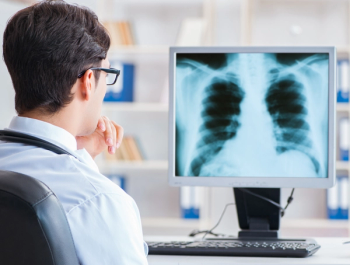
Do we settle for oblique truths more often than not to mitigate potential repercussions?
Catch up on the top radiology content of the past week.

In a recent video interview on the current iodinated contrast media shortage, neuroradiologist Sean Bryant, MD discussed imaging alternatives, emphasized communication with referring physicians on optimal studies, and discussed the ongoing need to prevent “protocol creep” with timely updates of imaging protocols.