

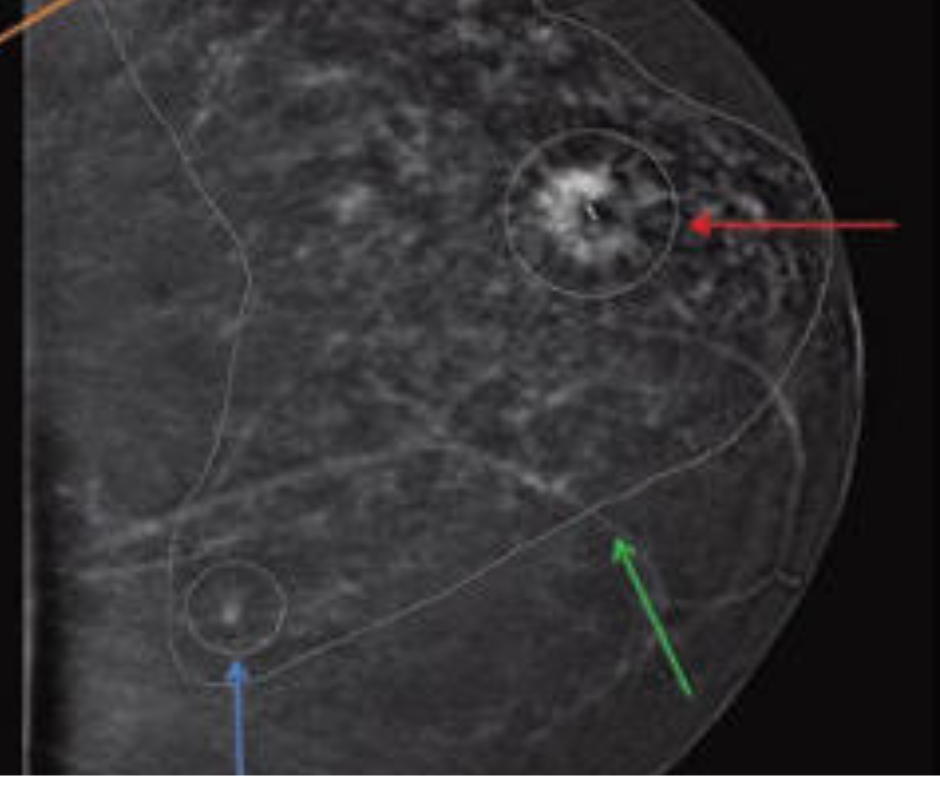












What is the diagnosis?
What is the diagnosis?
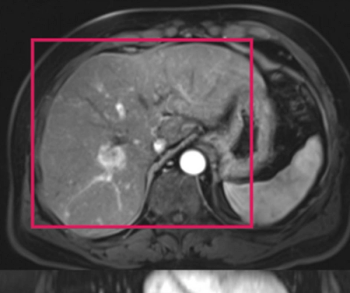
Noting that the machine learning model incorporating magnetic resonance imaging (MRI) had a higher mean area under the curve (AUC) than a model based solely on clinical features for predicting hepatocellular carcinoma recurrence, researchers said the study findings could have implications for refining liver transplant criteria.

Catch up on the top radiology content of the past week.
In comparison to neuroradiology assessment of brain magnetic resonance imaging (MRI) scans for tumor diagnosis, researchers found that adjunctive use of a deep learning system improved diagnostic accuracy by 12.4 percent and sensitivity by 33.5 percent in one test set of 300 patients.
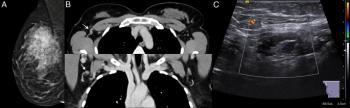
The combination of magnetic resonance imaging (MRI) and computed tomography (CT) had a 63.83 percent sensitivity rate for tumor-infiltrated axillary lymph nodes in patients with breast cancer in comparison to a 36.11 percent sensitivity rate for the combination of mammography and sonography.
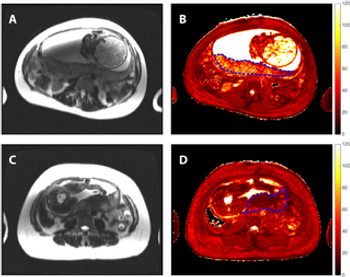
Emerging research suggests a robust association between pregnancy outcomes and placental measurements assessed via blood oxygen-level dependent magnetic resonance imaging (BOLD-MRI).
Sponsored Content
Canon Medical Systems offer a range of in-person and virtual educational opportunities for their clients.
Catch up on the top radiology content of the past week.
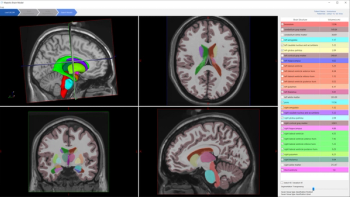
The Maestro Brain Model reportedly provides automated identification, quantification and labeling of brain structures on magnetic resonance imaging (MRI).
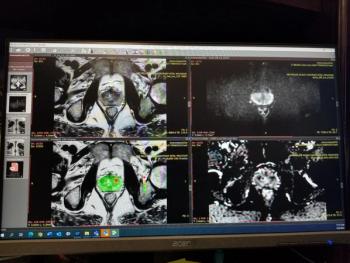
The ProstatID, an adjunctive artificial intelligence software that radiologists can utilize with traditional magnetic resonance imaging (MRI), reportedly measures prostate gland volume, and suggests PI-RADS scoring of suspicious lesions.
Catch up on the top radiology content of the past week.
What is the diagnosis?
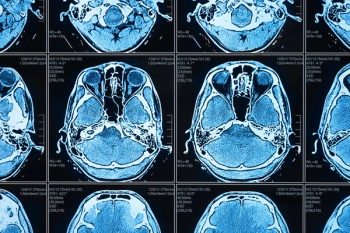
Researchers discuss key parameters for the assessment, implementation and post-implementation monitoring of emerging artificial intelligence (AI) tools in radiology practices large and small.
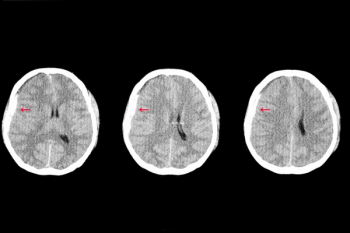
Viz.ai said the Viz Subdural Hematoma (SDH) artificial intelligence (AI) algorithm provides automatic detection of acute and chronic subdural hemorrhages, facilitating timely triage and treatment of patients.

Has an overly critical approach from quality assurance committees led to an overly cautious approach in reports from teleradiologists?
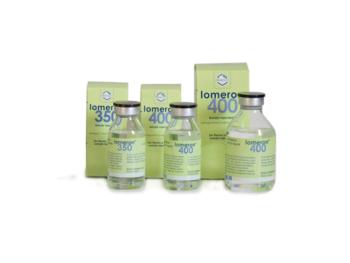
The imaging agent is approved for use in 50 countries in Europe and Asia, but is not currently approved in the US.
Catch up on the top radiology content of the past week.
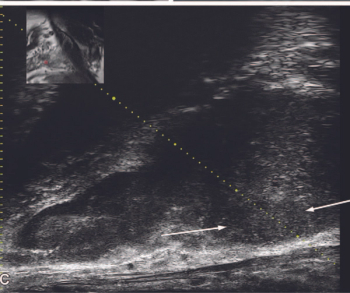
A recently published prospective study comparing multiparametric magnetic resonance imaging (MRI) and micro-ultrasound found similar detection rates for prostate cancer.
In a video interview, Morris Panner, the president of Intelerad Medical Systems, discussed key observations from the recent Society for Imaging Informatics in Medicine (SIIM) conference, recent research about artificial intelligence (AI) adoption and emerging goals for enhancing the efficiency of radiology workflows.
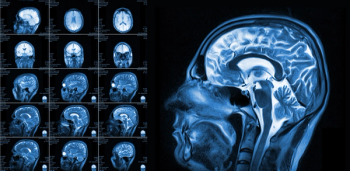
Utilizing susceptibility-weighted magnetic resonance imaging (MRI) in a study involving over 20,700 people, researchers found that drinking more than seven units (56 grams) of alcohol a week led to a higher accumulation of brain iron, which can trigger cognitive decline.
Catch up on the top radiology content of the past week.
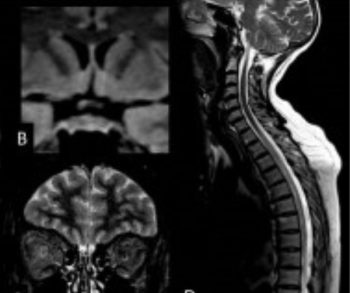
In an award-winning presentation at the European Congress of Radiology (ECR), researchers from the Hospital Universitario Basurto in Spain reviewed key neuroimaging findings on magnetic resonance imaging (MRI) for a variety of inflammatory lesions of the brain stem.
In a video interview, Jonathan Dillman, MD, MSc discussed a recently published statement from the American College of Radiology (ACR) that questioned the literature support for a March guidance from the Food and Drug Administration (FDA) about thyroid monitoring for children three years of age or younger within three weeks of exposure to iodinated contrast media (ICM).
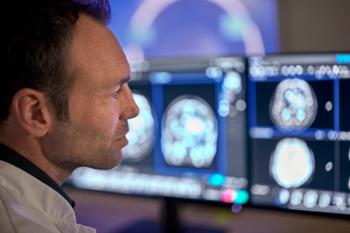
The artificial intelligence (AI) capabilities of the new software reportedly facilitate scanning times that are three times faster than conventional magnetic resonance image (MRI) scanners.
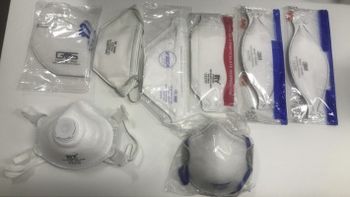
In their testing of eight commercially available filtering face piece (FFP3) respirators commonly utilized during the COVID-19 pandemic, researchers deemed that five of the face masks that contained ferromagnetic materials were unsafe to use in and around magnetic resonance imaging (MRI) devices.